


You’re here because you want to know how to find guest post opportunities.
The answer is simple.
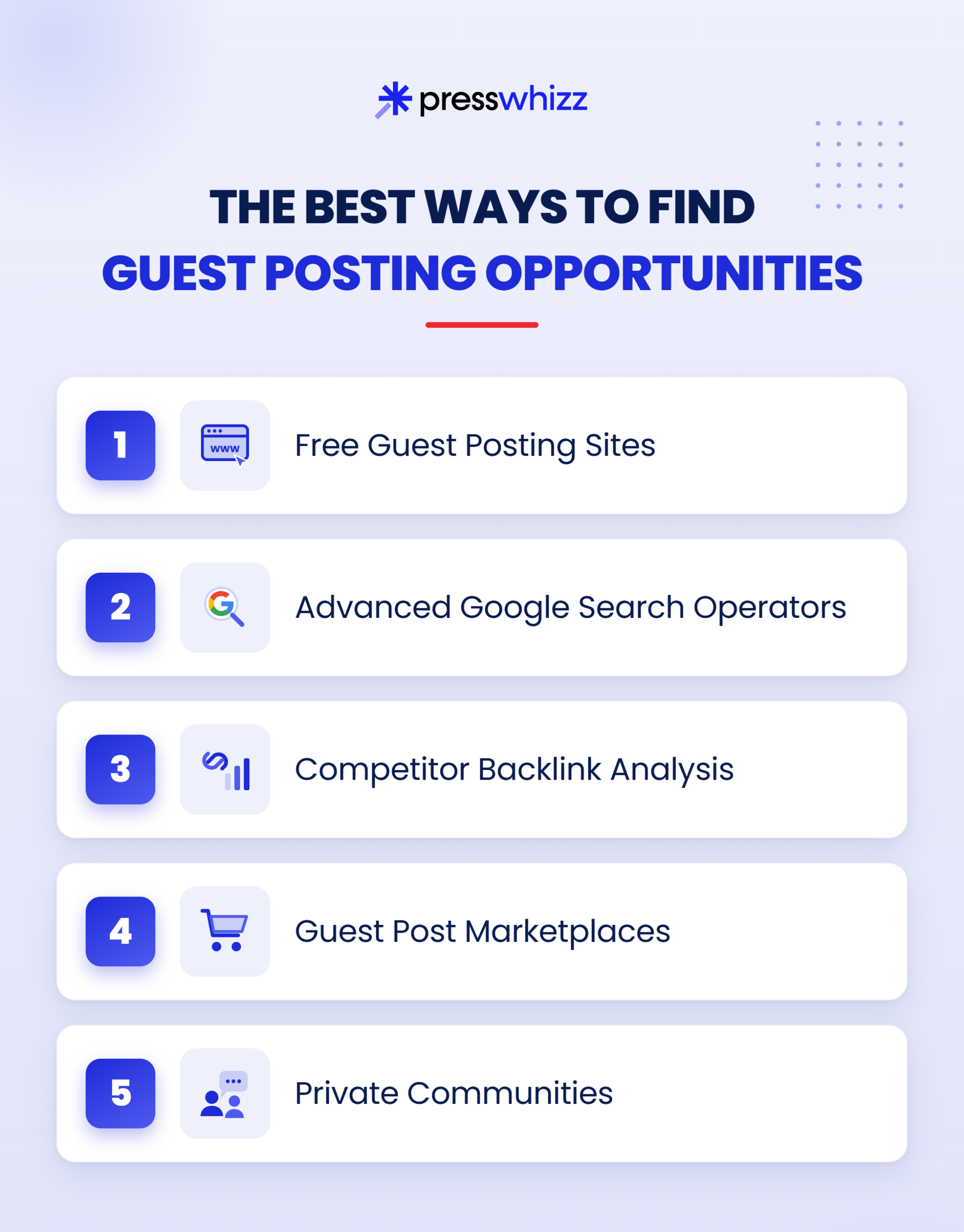
To find high-quality guest posting opportunities, do the following:
- Post on free guest posting websites
- Use advanced Google search operators to find sites accepting sponsored posts
- Reverse engineer your competitors’ backlinks
- Find lists of guest posting sites and contact those sites
- Use guest post marketplaces
BUT if it were that easy to find link building opportunities, you probably wouldn’t be here.
Building high-quality links is HARD even when you know exactly where to look:
- Manual outreach takes hours
- Negotiation is a nightmare and site owners inflate prices drastically
- Every other SEO on planet Earth is pitching those same sites
- Most guest posts provide 0 SEO value because nobody knows how to vet them properly (they worship Domain Rating when it’s effectively useless)
That’s why we wrote this guide to building guest post links the right way.
In this guide, you’ll learn what actually works. It’s the same advice our team uses to consistently build high-ROI links in the most competitive niches. And, if the manual process is too intense for you, we also provide some tips on how to buy guest posts the right way so you actually get results and not penalties.
This is all battle-tested advice that’s working at this very moment. No recycled takes or “just pitch and ask for a link” nonsense.
You’ll learn where to find the best sponsored post opportunities, how to vet sites, tools to use, how to search for surefire linking bets, and a lot more.
Let’s get into it.
Use Free Guest Post Websites
Free guest posting sites are a good way to get started, but they aren’t a viable long-term strategy.
If you’re launching a new website with little or no authority, publishing a handful of free guest posts, especially on web 2.0 sites, can help build your first backlinks, diversify your referring domains, and begin validating your brand as a legitimate entity.
They won’t rank you on Page 1 on their own, but they can provide enough trust signals to get a new site off the ground.
My advice is simple: use free opportunities to build your foundation only.
Once you’ve established some authority and your site starts gaining traction, shift your focus towards higher-quality, niche-relevant guest posts on authoritative websites that can genuinely improve rankings and drive referral traffic.
Use Advanced Google Search Operators
The fastest and easiest way to find guest blogging opportunities is using advanced Google searches.
Despite all the fancy outreach tools and link databases available today, Google remains the largest index of websites on the internet. If a site actively accepts guest posts, contributor articles, or external submissions, you can find it in seconds with just a simple search.
The problem is that most SEOs do this completely wrong.
They search for one generic footprint like “write for us” or “guest post” and scrape whatever shows up. That’s why they end up with the same exhausted prospect list that every outreach agency, VA, and link seller has been emailing for years.
And that’s why response rates keep falling…
The real advantage comes from combining multiple search operators, rotating footprints, and layering them with topical keywords so you’re finding opportunities your competitors haven’t already burned through.
Let’s start with a list of search operators you can use to find guest posting opportunities:
- “[keyword]” “write for us”
- “[keyword]” “guest post”
- “[keyword]” “guest article”
- “[keyword]” “guest author”
- “[keyword]” “become a contributor”
- “[keyword]” “submit an article”
- “[keyword]” “submit a guest post”
- “[keyword]” inurl:guest-post
- “[keyword]” inurl:write-for-us
- “[keyword]” inurl:contribute
- “[keyword]” intitle:”write for us”
- “[keyword]” intitle:”guest post”
Here’s a tip so you don’t make the same mistake search engine optimization pros always make…
Don’t stop after running one search.
Swap keywords, test different footprints, search at both the niche and adjacent-industry levels, and keep refining your queries as you go. Spend an extra 15 minutes refining your search operators and you’ll uncover prospects that every other SEO has completely missed.
Reverse Engineer Competitor Backlinks
Reverse engineering competitor backlinks is the best way to find guest posting opportunities that are already proven to work in your niche.
Instead of guessing which sites might accept your content, you can identify the exact websites already linking to competitors that rank above you. If they accepted a guest post from a competitor, there’s a good chance they’ll accept one from you, too.
Competitor backlink analysis lets you see which publications accept external contributors and how frequently your competitors are acquiring new placements.
And you can also quickly evaluate the quality of the website by using metrics such as organic traffic, Domain Rating, referring domains, and search engine rankings.
Why build a strategy from scratch when you can just press a few buttons and get the blueprint in a few seconds?
Our team here at PressWhizz has made this as easy as possible with our Competitor Backlink Research tool and our Ranking Keywords tool.
Let me show you each one by one.
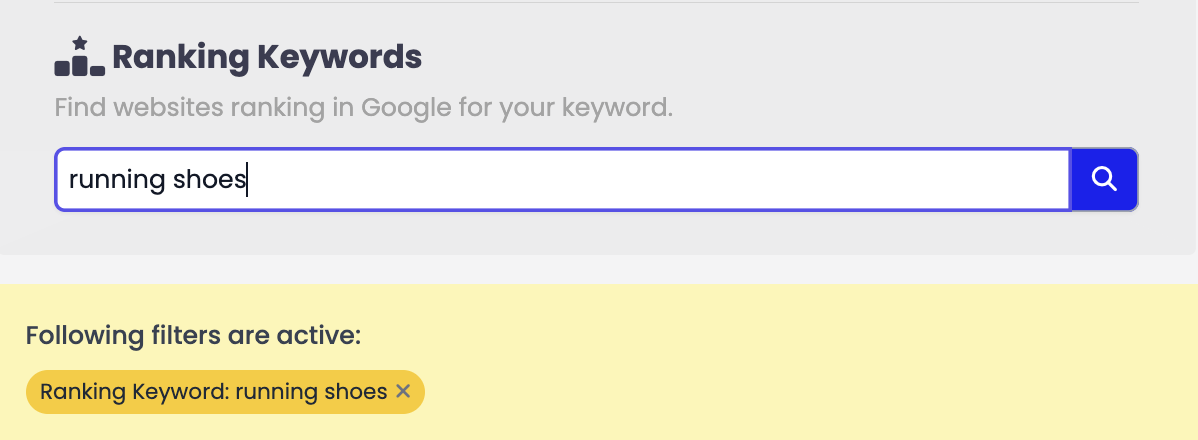
Let’s start with the Ranking Keywords tool. You can input your most important keyword (s) into the tool and see which sites are already ranking for it. Now you know which sites you should build guest posts on. Let’s say we want to rank for “running shoes”.
Input the keyword:
And you get a list of sites accepting guest posts ranking for that term:
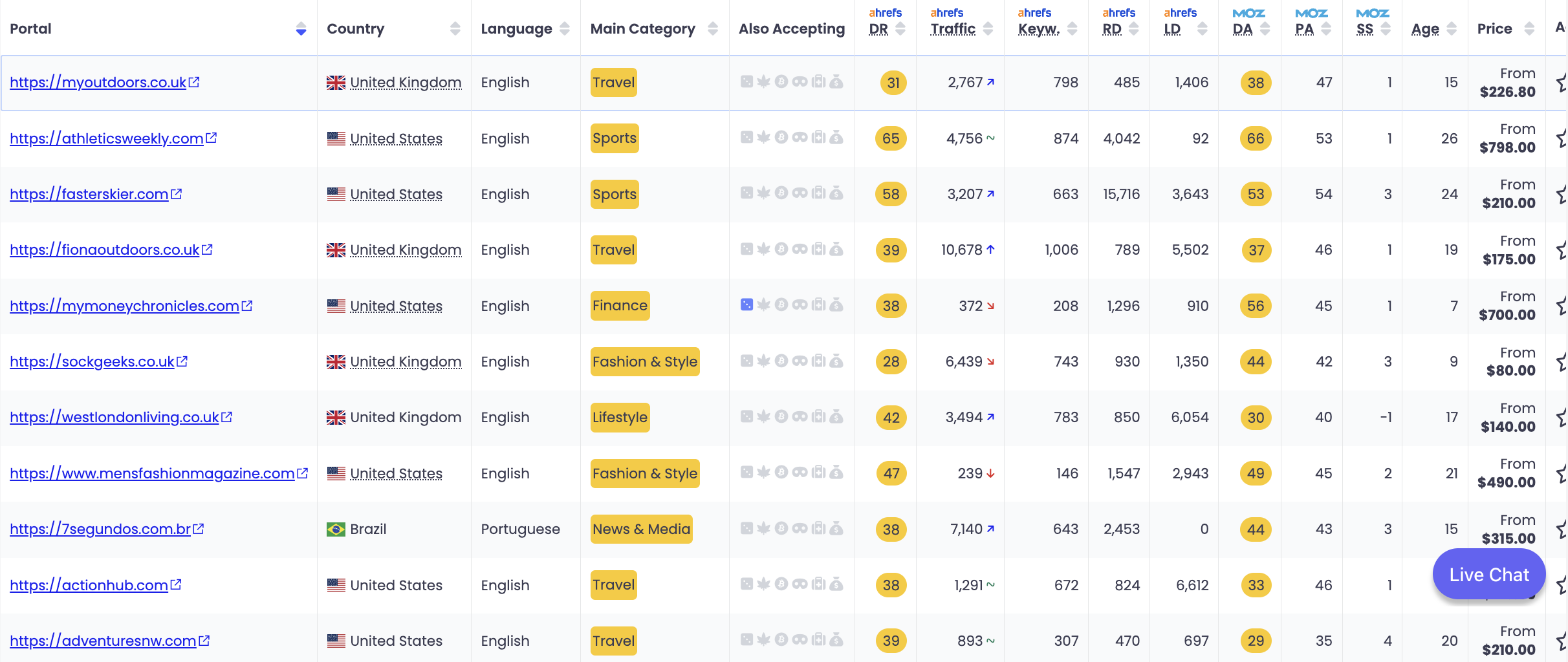
This could save you hours of research and manual outreach alone.
Moving on to our Competitor Backlink Research tool. Let’s try an example from the casino and iGaming niche.
In that case, you’d find competitors ranking on Page 1 for the iGaming keyword you want to rank for and put them into our tool:
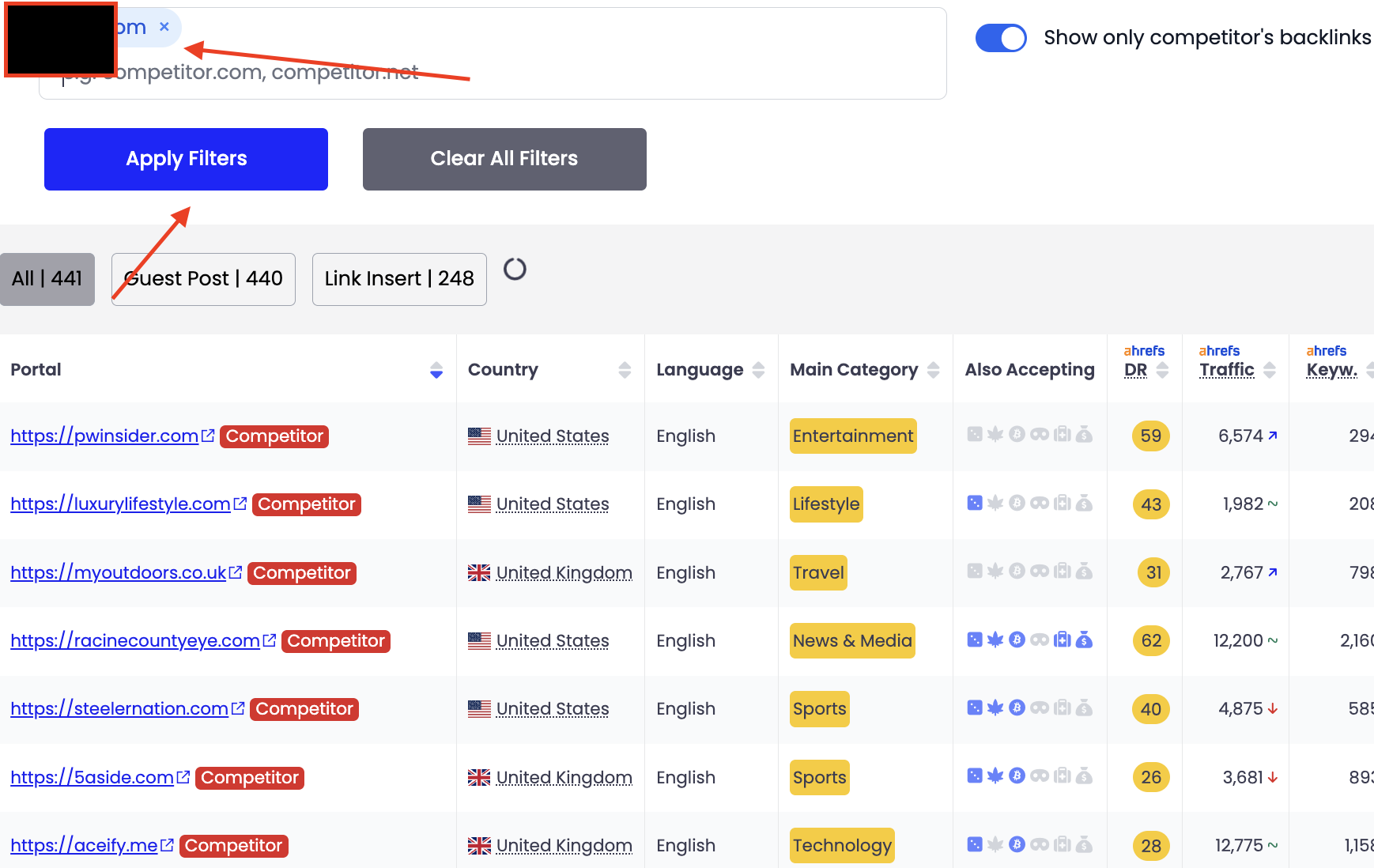
Let me walk you step by step through how to reverse engineer your competitors using Ahrefs:
1. Put your competitor into Ahrefs

Open Site Explorer and enter the competitor’s domain. Start with competitors that rank consistently for your most valuable keywords.
2. Open the Backlinks report
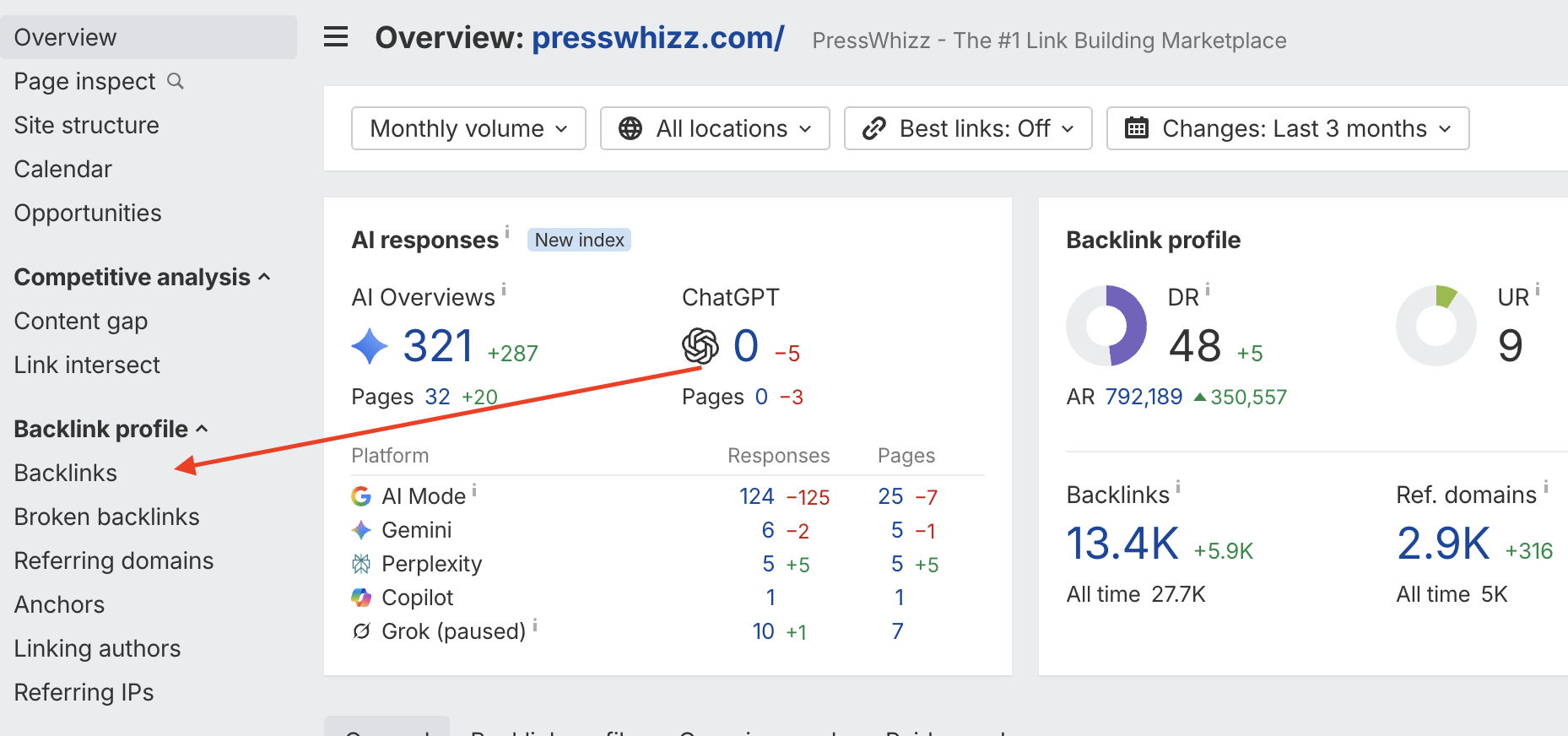
Click Backlinks on the left-hand side.
Then, filter for dofollow links, best links, one link per domain, and English-language pages where relevant. This removes most of the noise.
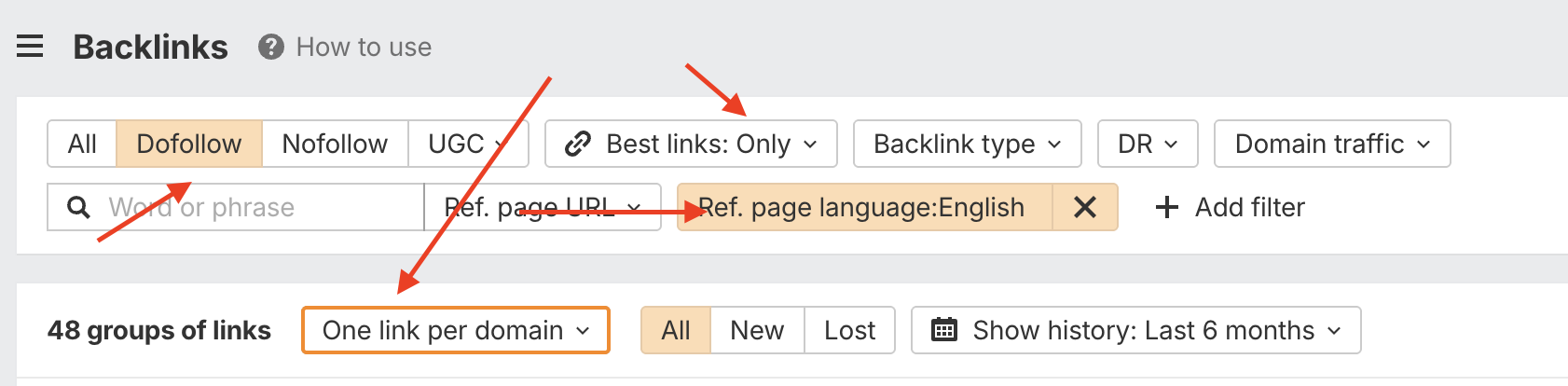
3. Identify guest post footprints

Look for author bios, contributor pages, contextual homepage links, and articles covering topics adjacent to the competitor’s niche.
4. Vet the opportunity
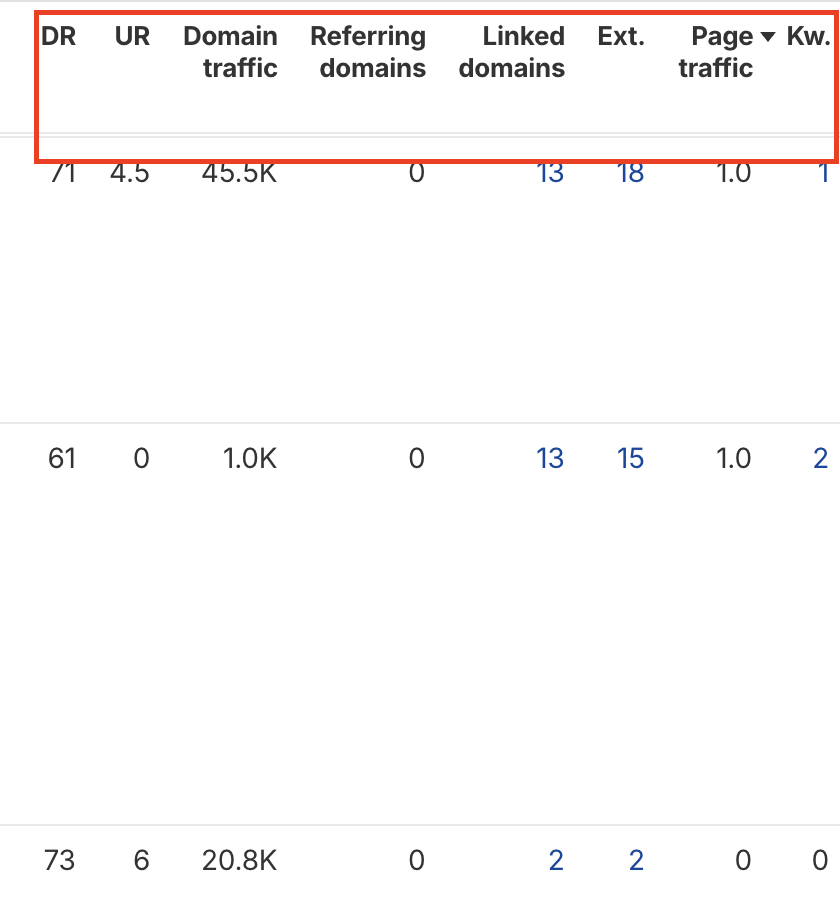
Check traffic, topical relevance, outbound link quality, recent publishing activity, and whether the site links to obvious spam.
My Favorite Tools for Finding Guest Posting Opportunities
We use a lot of different link building tools here at PressWhizz, but the 3 we rely on most for finding guest posting opportunities are:
- Ahrefs: This is the best option for backlink discovery and competitor analysis.
- SEMRush: Not my favorite, but it’s super popular in our industry, and it’s useful for cross-checking competitors, authority metrics, and referring domains.
- Hunter.io: This tool is a godsend for link building. It helps you find and verify the email addresses of editors, publishers, and website owners once you have built your prospect list. This tool will save you 10-20 hours of work per month easily.
Note: These tools are also valuable for finding niche edit opportunities. You can read our full breakdown of guest posts vs. niche edits to decide which link opportunity you want to start with.
Check Curated Lists
Curated lists are exactly what they sound like: someone has already spent the time finding websites that accept guest posts and compiled them into a single resource.
Here’s an example of a curated guest post websites list:
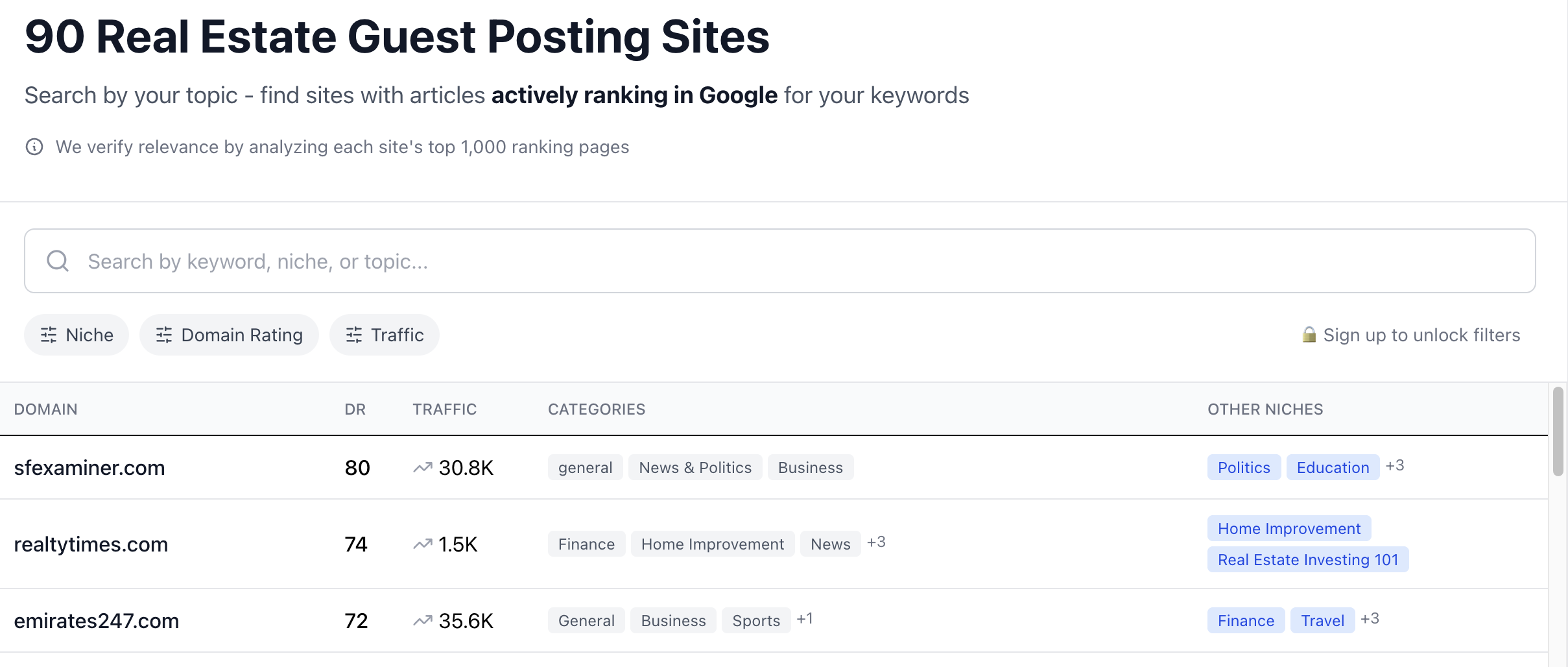
These are often organized by niche or industry, which makes them a great starting point if you’re in a hurry to start building some sponsored posts.
The downside is that everyone knows these lists exist, and site owners are overwhelmed by the sheer volume of inquiries (and prices have been inflated accordingly). Also, many of these lists are outdated, contain low-quality websites, or have been used by thousands of other SEOs, so you’ll still need to vet every opportunity before reaching out.
Use Guest Post Marketplaces
We recommend using a guest post marketplace if you want the best quality guest posts as quickly as possible without doing all of the manual outreach and negotiation that come with link building.
Instead of spending hours prospecting, scraping Google, finding contact details, negotiating prices, and waiting weeks for replies, a marketplace gives you instant access to thousands of publishers already open to accepting guest posts.
And yes, you can buy guest posts without worrying about Google penalties or manual suppression. Just make sure to choose high-quality link providers on niche-relevant websites, and you’ll be fine.
So, how do you use a link building marketplace?
You simply search for websites that match your niche, filter them by details like Domain Rating, organic traffic, country, language, or category, choose the publisher you want, and place your order. The marketplace handles everything else.
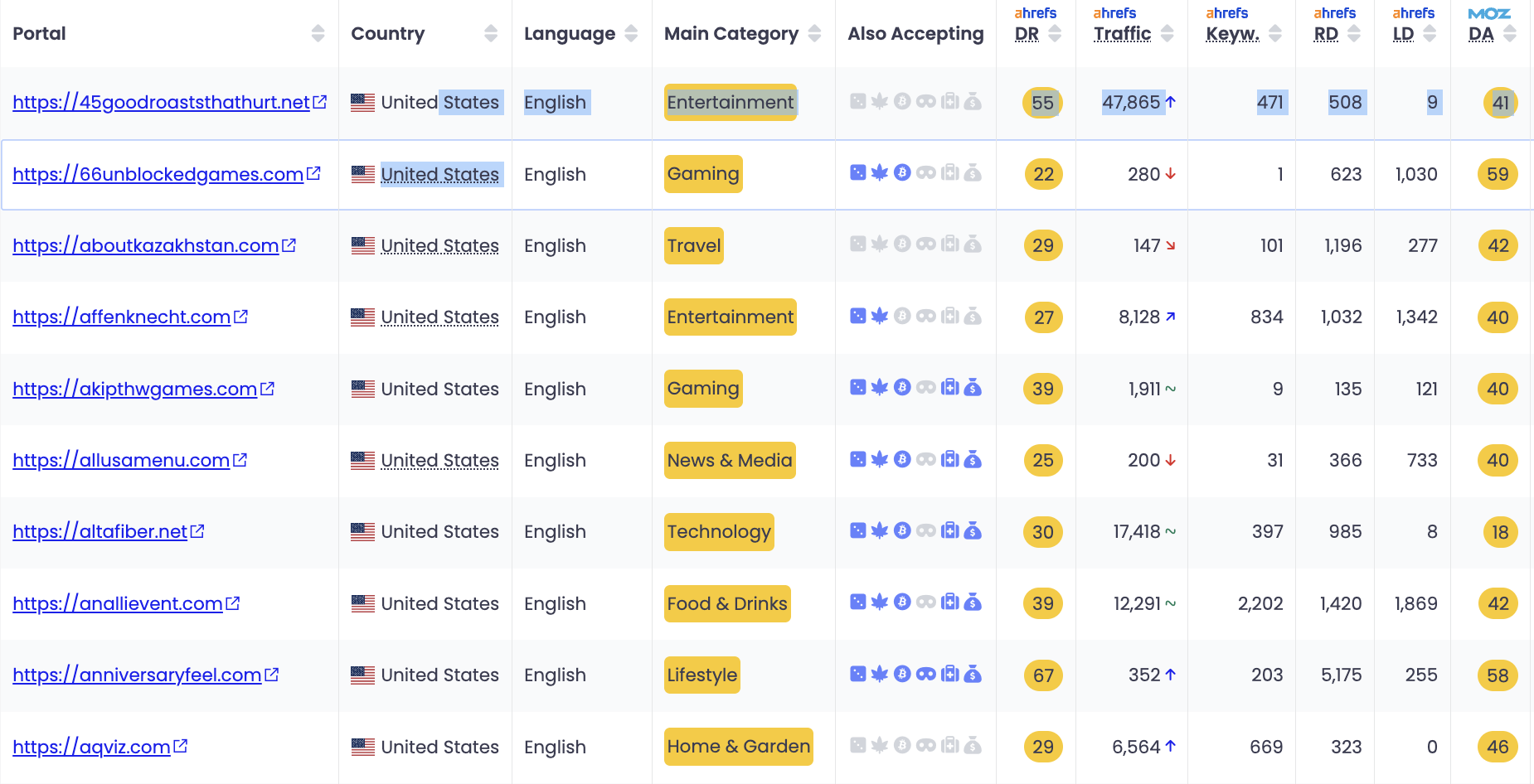
Before we move on, I want to touch on guest post pricing. There’s a lot of misinformation on the internet (surprise!!) about how much links cost. Some sources say it’s $400 for a regular link or even $1,000+ for a high-quality guest post.
In reality, guest posts are much more affordable than most people imagine.
According to PressWhizz’s analysis of more than 22,700 completed link placements, the average guest post costs around $164, with many quality placements available for considerably less (around $100).
You can read the full link pricing report on our case studies section.
Key Takeaway: Buying links from a marketplace is much more affordable than from a link building agency. And when you factor in the time you save, the salaries you DON’T have to pay, and the quality of the links, it’s probably saving you money compared to doing it manually.
Find Opportunities Through Communities
You’ll find some of the best guest posting opportunities shared privately inside SEO communities, marketing groups, and networking platforms where publishers, agencies, and website owners actively look for contributors.
These communities can save you hours of prospecting because people are already advertising websites that accept guest posts or are looking to exchange placements.
Some of the best places to look include:
- Facebook Groups: SEO, blogging, and digital marketing communities regularly share guest post opportunities.
- LinkedIn: Connect with editors, content managers, and website owners directly.
- Slack Communities: Many private SEO and marketing groups have dedicated channels for guest posting, link exchanges, and other link building opportunities.
- X (formerly Twitter): Follow publishers, SEO professionals, and influencers, then search for terms like “guest post” or “write for us.”
- Link Exchange Communities: Private groups where website owners buy, sell, and exchange guest posting opportunities.
That said, you need to be extremely careful.
Just because a website is being advertised doesn’t mean it’s worth getting a link from. Many communities are full of spammy PBNs, expired domains, AI-generated websites, and sellers trying to offload low-quality inventory. Always vet every opportunity before spending money or publishing content.
Since we’re on that topic, let’s cover exactly how to evaluate a guest post opportunity and separate high-quality websites from the ones you should avoid.
How to Vet a Site Before You Publish a Guest Post
When vetting a website for a guest post, look at its relevance, authority, backlink profile, organic traffic, keyword rankings, and overall quality. A backlink is only as valuable as the website it’s coming from, so spending five minutes analyzing a site can save you months of wasted link building budget.
You have to trust me on this…
Google is more sophisticated than ever at evaluating links.
Modern ranking systems don’t just count backlinks and authority anymore. Instead, they analyze topical relevance, link patterns, entity relationships, content quality, spam signals, and whether a website appears to exist solely for selling links.
And machine learning systems can identify manipulative behavior at scale. It’s much harder for low-quality guest post networks to pass value than it was even just a few years ago.
If you keep buying guest posts and seeing little or no ranking improvement, this is probably why.
There’s nothing wrong with buying guest posts or doing mass outreach to build free guest posts. The problems start when you buy links from websites that Google doesn’t trust.
Before you publish a guest post, work through this checklist:
- Relevance: The website should be closely related to your niche or at least cover adjacent topics. Relevant links consistently outperform random high-authority websites.
- Domain Rating (DR) or Domain Authority (DA): These aren’t Google metrics, but they’re useful for comparing the relative authority of websites. Don’t rely on them in isolation.
- Referring Domains: Check how many unique websites link to the domain. A healthy backlink profile with quality referring domains is far more important than an inflated DR score.
- Organic Traffic: This is the single biggest factor affecting guest post pricing. Websites generating consistent organic traffic have proven Google trusts them and that they satisfy search intent.
- Keyword Rankings: Review the keywords the website ranks for. Are they relevant? Is traffic growing or declining? Healthy ranking trends are usually a good sign.
- The Eye Test: Spend a few minutes browsing the site. Does it look like a real business or publication? Is the content useful? Does every article contain paid links to unrelated industries? If it looks like a PBN or appears to link out to everyone on Earth, walk away.
Do Guest Posts Still Work in 2026?
Yes, guest posts without a doubt still work in 2026…as long as you use the right strategies.
Guest posts are one of the most effective ways to increase search rankings, drive referral traffic, improve AI mentions, and build topical authority within your niche. A well-placed guest article on a relevant, trusted website sends strong signals that your brand is credible and deserves to be associated with that topic.
What no longer works is the old approach of publishing low-quality articles on private blog networks (PBNs) and spam websites built purely to manipulate Google’s algorithm. Google ignores those links, and in some cases, they can contribute to an unnatural backlink profile that limits your site’s performance.
The data backs this up. It’s not just my opinion.
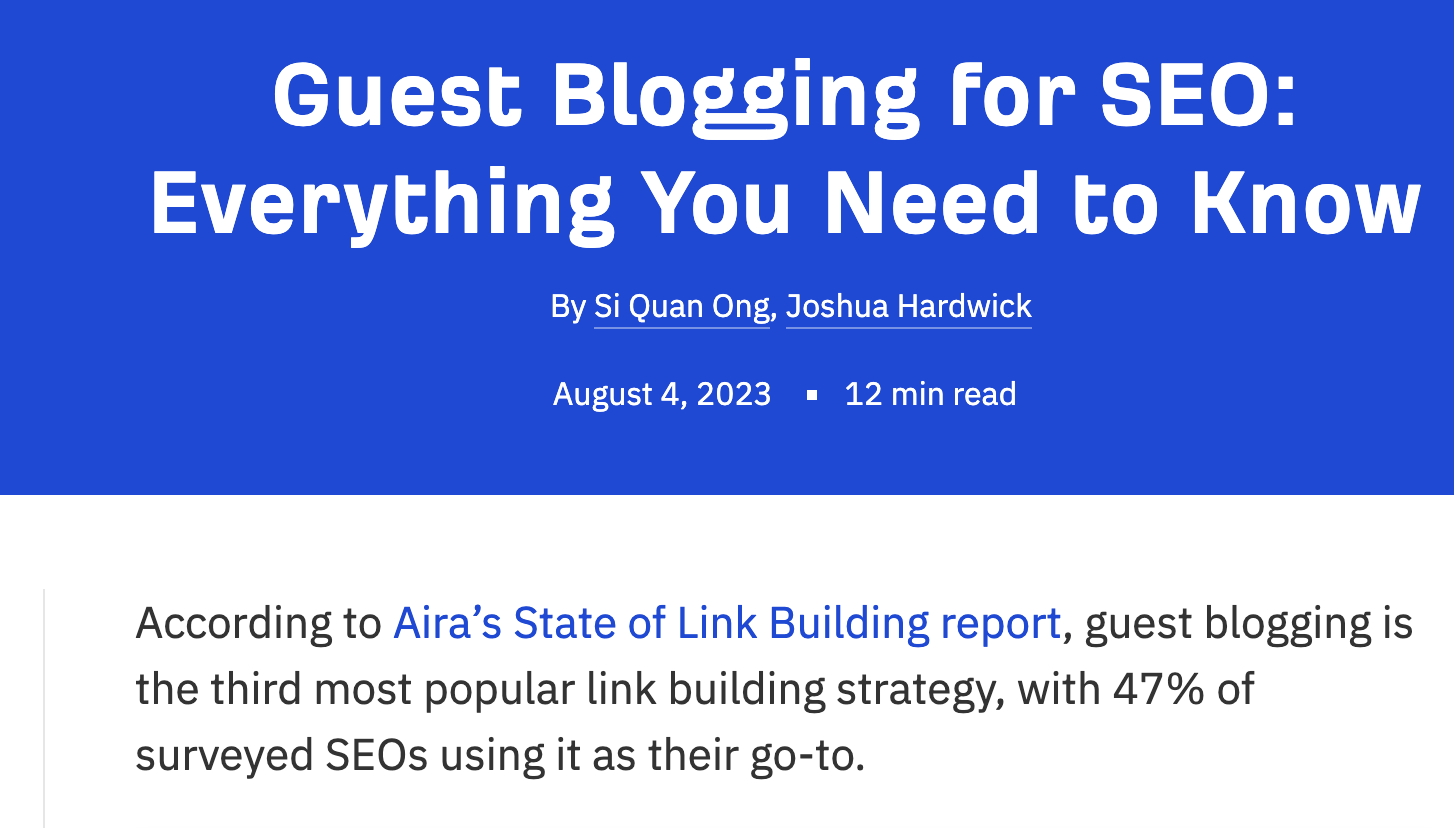
According to Ahrefs, 47% of SEOs use guest blogging as one of their primary link building strategies, which makes it one of the most widely used tactics in our industry.
If you’re investing in guest posts, prioritize:
- Audience relevance
- Unique, genuinely useful content
- Negotiating pricing
- Organic traffic and keyword rankings
Focus on quality over quantity, and guest posting will remain one of the highest ROI link building strategies available in 2026.
Final Thoughts
Finding guest post opportunities has never been easier.
Between free guest posting websites, guest post marketplaces, Google search operators, private SEO communities, and competitor backlink analysis, you can build a prospect list in a matter of hours.
Finding high-quality guest posts is the hard part.
Google’s algorithms are far more sophisticated than they were just a few years ago. They evaluate topical relevance, organic traffic, authority, editorial quality, and countless other signals to determine whether that link is a genuine recommendation or an attempt to manipulate rankings.
If there’s one thing I want you to take away from this guide, it’s this: stop wasting time building low-quality backlinks.
Focus on earning guest posts on real websites with real audiences, rankings, and authority.
Relevance, organic traffic, referring domains, and editorial quality matter more than ever. Build fewer, better links, and you’ll outperform the people still chasing cheap, spammy guest posts every time.
– Dusan Novakovic