

Welcome to our guide on enterprise link building where we’ll share our most effective link building strategies for large enterprises as well as explain solutions to the complex challenges large brands face when building links at scale.
If you’re reading this, then you probably know that most link building advice online is written for small businesses and niche websites. That’s not the reality you deal with.
When your business has thousands of pages, multiple product lines, stakeholders, regional markets, or several teams working on SEO, content, and PR, your challenges are completely different.
You can’t rely on one-off outreach campaigns or generic link building tactics. You need repeatable systems that help you prioritize opportunities, allocate resources, automate repetitive work, and measure the ROI of every campaign.
Over the years, we’ve worked on link building campaigns across a wide range of industries and learned that enterprise SEO is fundamentally a systems and strategy prioritization challenge. The businesses that consistently win are the ones building the best possible backlinks with better processes, better data, and greater efficiency than their competitors.
In this guide, we’ll show you our top enterprise link building strategies, as well as address some of the complex challenges facing big brands and provide guidance on prioritizing your link building strategy.
What is Enterprise Link Building?
Enterprise link building is the process of acquiring high-quality backlinks at scale for large organizations, typically ones that manage complex websites with thousands of pages. It often includes large-scale link acquisition strategies such as acquiring competitors, mass PR campaigns, leveraging brand equity, and using social media influencers.
Link building when you’re an enterprise comes with several unique advantages and challenges, as you well know.
Enterprises also have unique advantages, including established brand recognition, proprietary data, larger marketing budgets, and existing media relationships. These resources make it easier to secure high-authority editorial backlinks while supporting long-term growth across search engines and AI-powered search platforms.
But the sheer size and scope of enterprises of your size also makes coordination, buy-in, and agility a major challenge, which can create issues in fast-moving industries such as link building. For example, newsjacking is a lot harder when you need corporate sign off to write a single article (more on this below).
What’s the Difference Between Small Business and Enterprise Link Building?
The key differences between small-business and enterprise link building are scale, authority, systems, interlinking strategy, and organizational structure. For example, small businesses may focus on manual outreach and niche relevancy while building 10 links per month to their home page. An enterprise, however, may focus on leveraging their reach and brand to acquire hundreds of links, mentions, or citations to build brand authority.
Some of the biggest differences between small business and enterprise link building include:
- Deep linking instead of homepage links: Small businesses often focus on building authority to a handful of pages. Enterprises need links pointing to product pages, category pages, resource centers, and other sections across thousands of URLs.
- Multiple stakeholders and organizational silos: Enterprise campaigns involve SEO, PR, content, legal, brand, and product teams, which can create friction and bottlenecks. This can make it difficult to build coordinated link acquisition systems.
- Greater emphasis on risk management: Large brands prioritize protecting their reputation. Every campaign must comply with brand guidelines, legal requirements, and editorial standards, which makes risky link schemes a poor fit.
- Systemized execution: Small businesses can succeed with manual outreach. Enterprises require repeatable processes, standardized workflows, reporting dashboards, and scalable operating procedures that can be executed across multiple teams, agencies, and international markets.
- Business-driven measurement: Instead of measuring success solely by backlinks or Domain Rating, enterprises focus on business outcomes such as organic traffic growth, revenue, market share, branded search demand, and long-term authority.
OK, now that you understand how a large company like yours can both succeed and struggle with link acquisition, I want to share the best link building strategies for companies of your size.
My advice is to read through the link building strategies and choose the ones that you think your company has the most expertise in and will drive the most revenue.
If you can’t decide which strategy to use, I suggest starting with low-hanging fruit, such as link reclamation and unlinked brand mentions.
Our Top 10 Enterprise Link Building Strategies
Let’s jump straight into our top 10 enterprise link building strategies. They include:
- Digital PR
- Unlinked Brand Mentions
- Customer Link Building (Resource Page Link Building)
- Influencer Marketing
- Guest Posting
- Link Reclamation (Broken Link Building)
- Competitor Backlink Analysis
- Linkable Assets
- Acquiring Competitors and Redirecting Their Authority
- Vendor & Partner Links
Remember that enterprise link building refers to acquiring and managing links across websites with thousands or millions of pages. These strategies may not be realistic if you’re a smaller business or website. If that’s the case, you might be more interested in my link building strategies for new websites or my complete link building guide for startups.
Digital PR
Digital PR involves creating newsworthy assets that journalists and industry websites want to cover naturally. It includes content like proprietary research, press releases, industry reports, interactive tools, and more (I’m going to cover these linkable assets in more detail later in this article).
Here’s an example of a company paying for a press release on a major news website:

This type of exposure not only reinforces their entity and improves brand awareness, it can also send relevant traffic and boost brand search, which all have a positive effect on search engine rankings.
Digital PR works like this:
You create something that people actually want to engage with (such as a pop culture story that ties into your niche or a tool that solves a common problem).
Then, you pitch that asset to journalists, bloggers, publishers, and media outlets that cover your niche. If the story is interesting enough, they’ll write about it and link back to your website as the source. Or, as is common in the SEO world, you just pay for media coverage, which is totally fine, too.
This type of content can generate hundreds of editorial backlinks when done properly and position you as the dominant brand in your niche. So we recommend that most enterprises prioritize links from large media outlets first.
For most enterprise organizations, digital PR backlinks are the highest ROI form of link building.
If you want to acquire high quality backlinks, this is where you should direct your budget. That’s because most major brands have advantages such as:
- Strong domain authority
- An established brand
- Existing media relationships
- Internal data sets
- Large customer bases
- Sizable marketing budgets
- Recognizable subject matter experts
These advantages make it much easier to create and publicize campaigns that journalists want to cover.
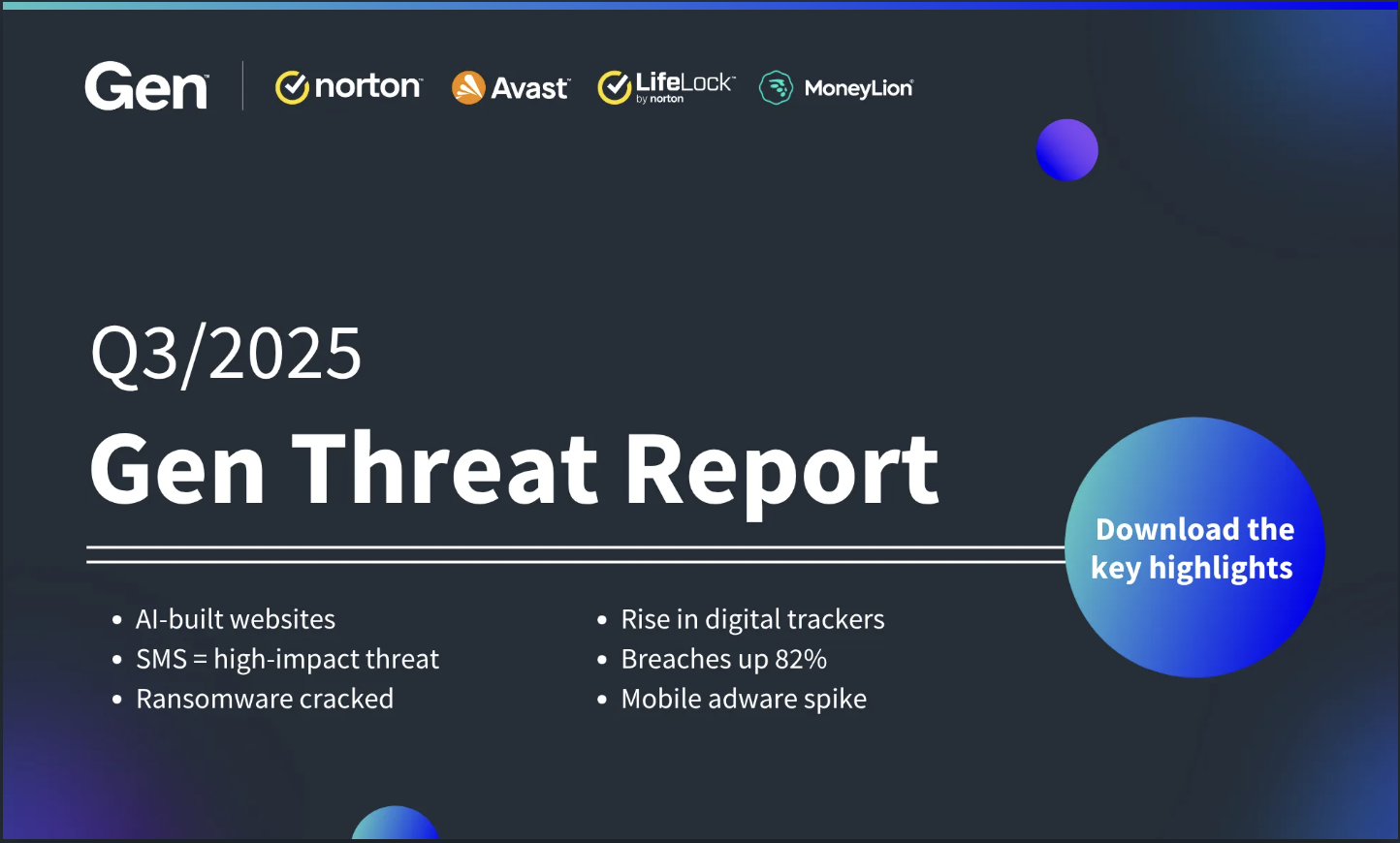
For example, the cybersecurity giant Gen Digital issues a quarterly threat report based on its internal data. This generates links from cybersecurity publications and industry analysts. Gen also promotes the report across its high-authority brands, like Norton and LifeLock, which boosts exposure and reinforces the company’s entity within the cybersecurity industry.
Most smaller businesses lack the resources to leverage an asset like this properly. Even if they created something really high quality, they wouldn’t have the authority or leverage to get widespread coverage.
Another major advantage of digital PR for enterprise link building campaigns is link quality.
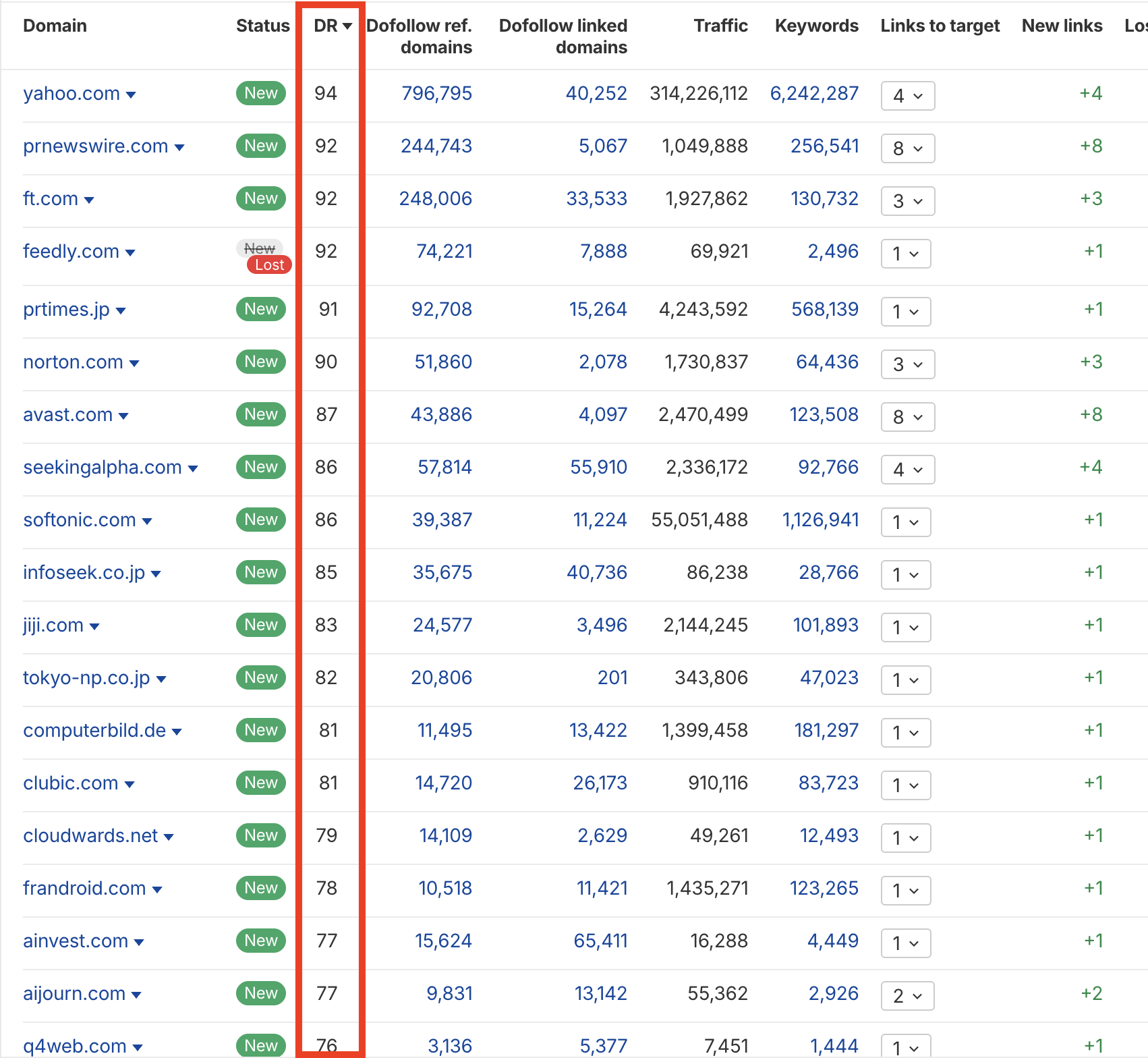
Most enterprises don’t need another DR40 guest post. This will have little to no effect on your search rankings. You need to focus your link building efforts elsewhere. Digital PR is one of the few scalable methods capable of earning editorial links from highly trusted publications, industry authorities, and major news sites.
Just look at the quality of links that Gen Digital’s 2025 Q4 threat report continues to generate:
thout linking back to your website.
For example, an SEO news site might mention PressWhizz as a link building marketplace without linking back to our site or reference a founder (like me) without attribution.
Unlinked brand mentions like this are high ROI link reclamation opportunities because the site owner or journalist already considers your brand worth mentioning. Usually, all it takes is a quick email to secure a free high authority backlink.
At enterprise scale, brand mentions also include mentions of products, executives, subsidiaries, campaigns, and even datasets. These all contribute to entity recognition and can often be converted into links or strengthened into structured citations across the web. This is a high ROI link building opportunity that most decision makers overlook.
Brand mentions are also incredibly valuable for appearing in AI powered search and answer engines.
LLMs like ChatGPT, Gemini, and Claude rely on brand mentions when generating answers. A study by Ahrefs titled “An Analysis of AI Overview Brand Visibility Factors (75K Brands Studied)” found that brand web mentions showed the strongest correlation with brand visibility in AI overviews.
This is because modern search systems increasingly treat unlinked mentions as “weak links” in the entity graph. In enterprise SEO, this makes mention volume, sentiment, and source authority just as important as traditional backlinks, if not more.
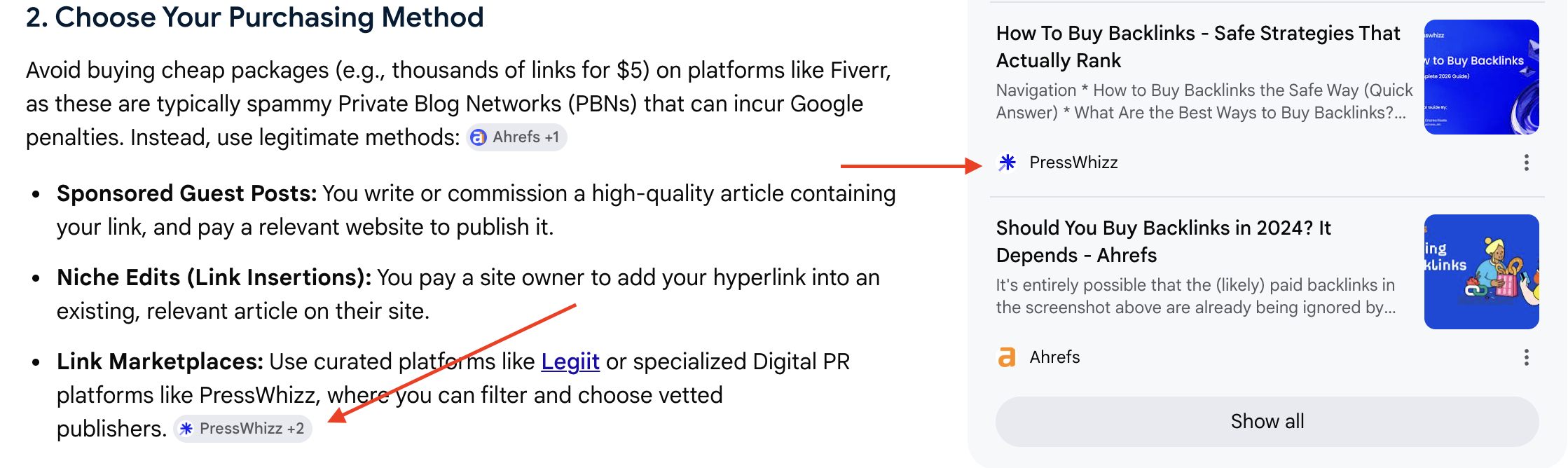
PressWhizz and our people are often mentioned on websites, social media, YouTube, and our own blog in association with entities such as “link marketplace”, “digital PR”, “link buying platform”, and other relevant key terms. This leads to our brand showing up in multiple locations in the AI overview for “how to buy links”:
Enterprises have a huge advantage here because large brands typically receive thousands of mentions every year across the web. But we recommend you make the most of your link building efforts by monitoring brand mentions using link building tools like Ahrefs.
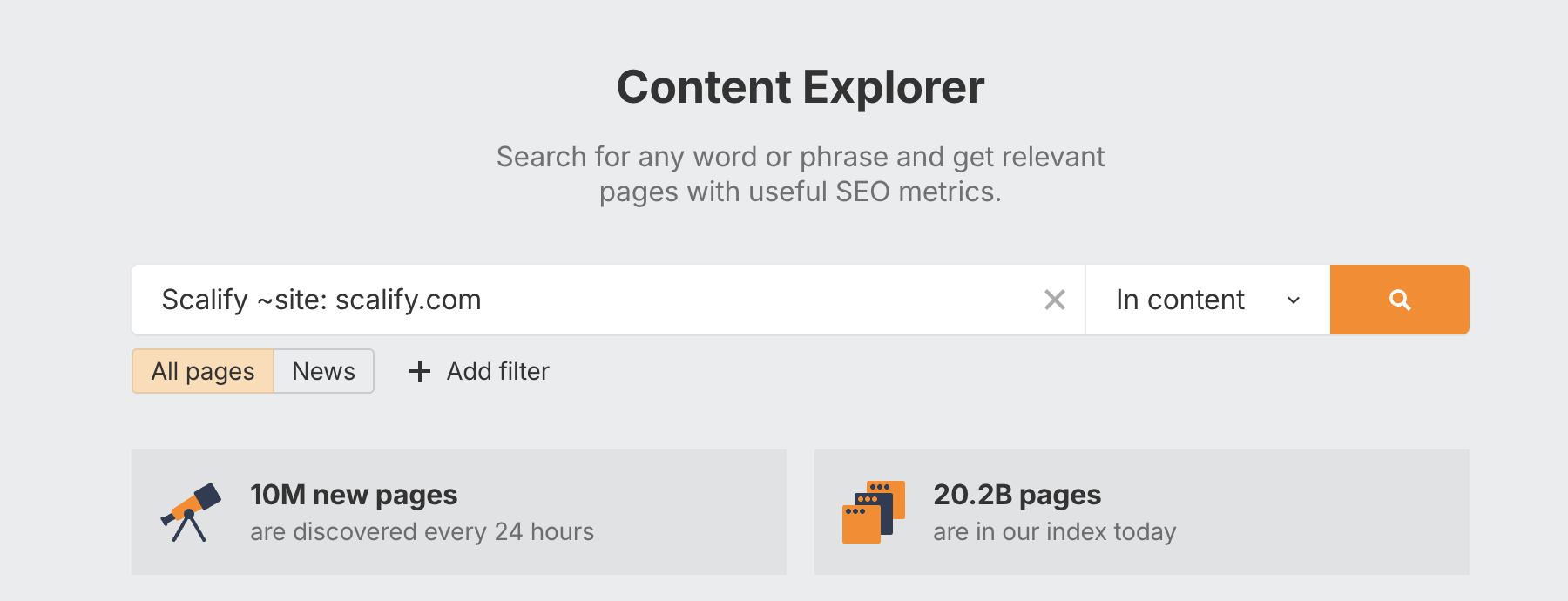
To monitor unlinked brand mentions, use Ahrefs’ Content Explorer.
Add “-site:yourdomain.com” to exclude your website, and select “In Content” from the dropdown menu:
On the results page, click Highlight unlinked and add your domain:
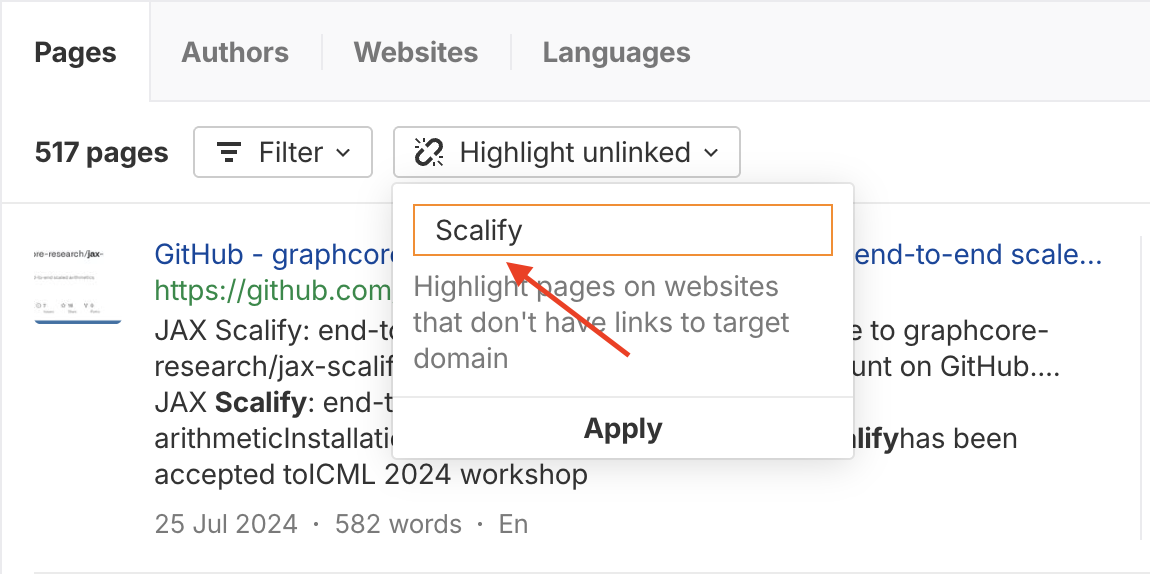
The results will show all of your unlinked brand mentions. You may also want to exclude subdomains and filter out websites like GitHub that can clutter your data.
Note: At the enterprise level, this process is typically automated using brand monitoring tools, alert systems, and PR tracking platforms so that mentions can be captured and converted into links in near real-time.
Leverage Customers and Partners
Leveraging existing customers is one of the easiest ways for large companies to acquire high authority backlinks. If your company provides software, services, or products to another business, you can probably get a zero effort backlink on their website just by asking.
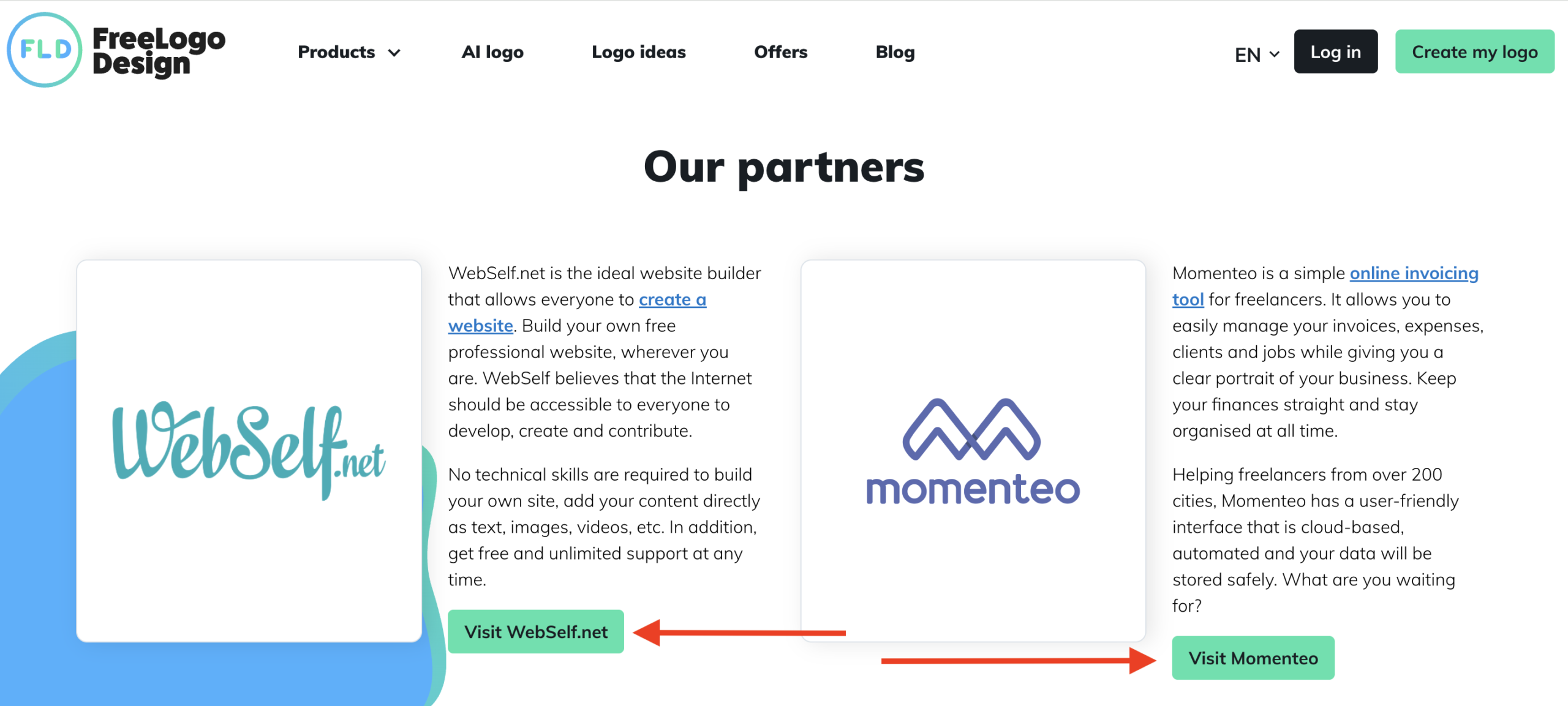
As a major enterprise, you likely work with hundreds of partners and have thousands of customers. Check if they have partner pages or resource pages where your link might fit.
Here’s a simple example by FreeLogoDesign. It’s just a clean list of who they work with, and each partner gets a DR72 backlink.
Some of the best places to find these opportunities are nonprofits and charities. They almost always have donor pages. As a large enterprise, most charities will be eager to list you on their website. Just make sure you get a backlink.
Here’s an example of the nonprofit United Way’s corporate partner page:
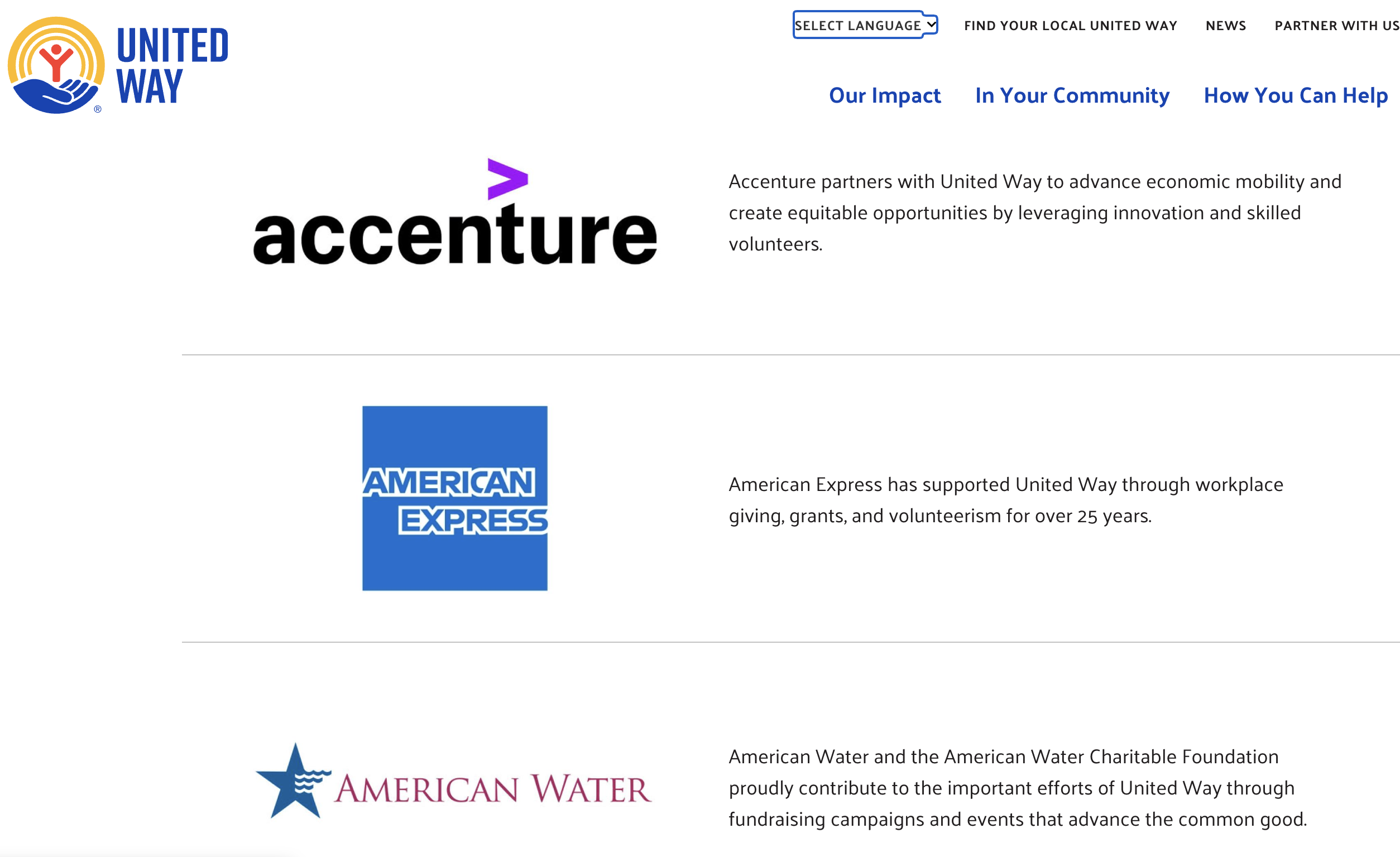
Each of these large brands gets a free, high authority backlink from this page just by being listed on this page.
Acquisitions and 301 Redirects
When an enterprise acquires another company, one of the most overlooked SEO opportunities is the transfer of existing backlink equity.
As an enterprise, you have a major edge over the competition due to the sheer scale of resources you have available. Most of your competitors can’t just buy out the competition.
When you acquire a competitor or another site in your niche, their highest-value pages should be systematically mapped and redirected to the most relevant equivalent pages on the parent domain. This ensures that established authority, referral traffic, and brand mentions are preserved rather than lost during consolidation. In many cases, acquired companies already have years of accumulated links from media coverage, partnerships, and industry citations, which can significantly accelerate the authority of the acquiring brand.
Influencer Marketing
Influencer link building is when you partner with major influencers to earn backlinks to your website, whether through links from their social accounts or via news stories.
For enterprises, it’s actually one of the best organic link building and entity SEO tactics.
Google loves links from influencers because they look like genuine recommendations from trusted third parties. And as a large company, you have the resources to build strong relationships with major influencers and promote those relationships through digital PR. This combines viral and organized promotion to create a snowball effect of links and brand mentions.
It works like this:
You work with a well known influencer (big shot influencers are more likely to go viral and want to work with large brands like yours). Then, you promote the collaboration to your media contacts to create hype. Here’s an example of Target (probably) doing this during a recent campaign.
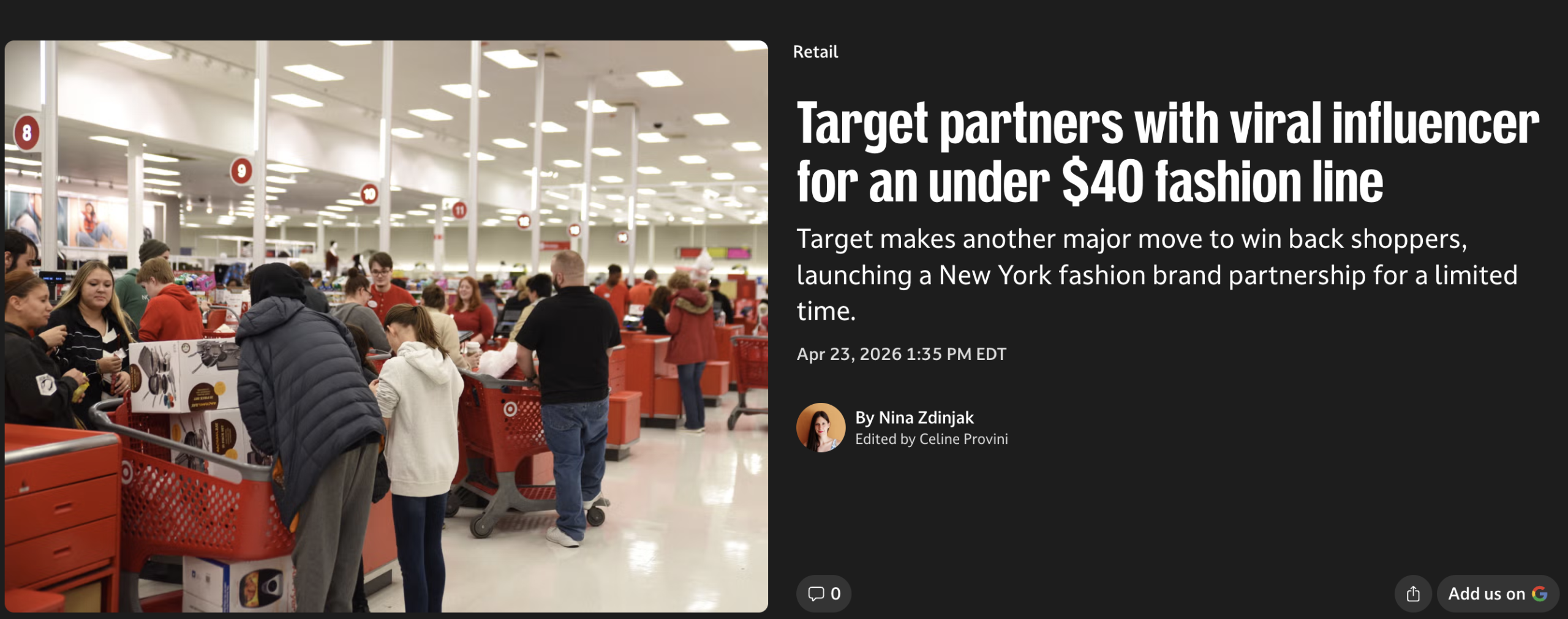
If the campaign goes well, you’ll get backlinks from:
- The influencer’s own blogs, social media, YouTube, etc.
- Your digital PR efforts
- News and entertainment sites covering the campaign
- Podcasts and other influencers reacting to the campaign
- Forums, communities, and social platforms where users share the content
I also want to stress how important influencer marketing is for boosting branded search volume.
Branded searches (when users search for your brand name directly) act as strong signals to Google that your brand is popular with users. And, according to a report by Greenpark titled “The essential AI visibility audit,” the same signals appear in AI visibility audits.
Influencer marketing builds a network of these signals that grows over time and contributes to lasting authority on Google and AI search.
This is why, in my opinion, branded search volume is just as important for enterprises as link building.
Guest Posts
Guest posts are when you publish an article on another website that links back to your site, often in exchange for money. They are one of the most popular forms of link building for companies of all sizes.
While you may associate guest posts with traditional link building and “regular SEOs”, this is not always the case. Most enterprises engage in guest posting as well.
A survey of SEOs by Authority Hacker found that guest posting is the #1 most popular link building tactic in 2026.
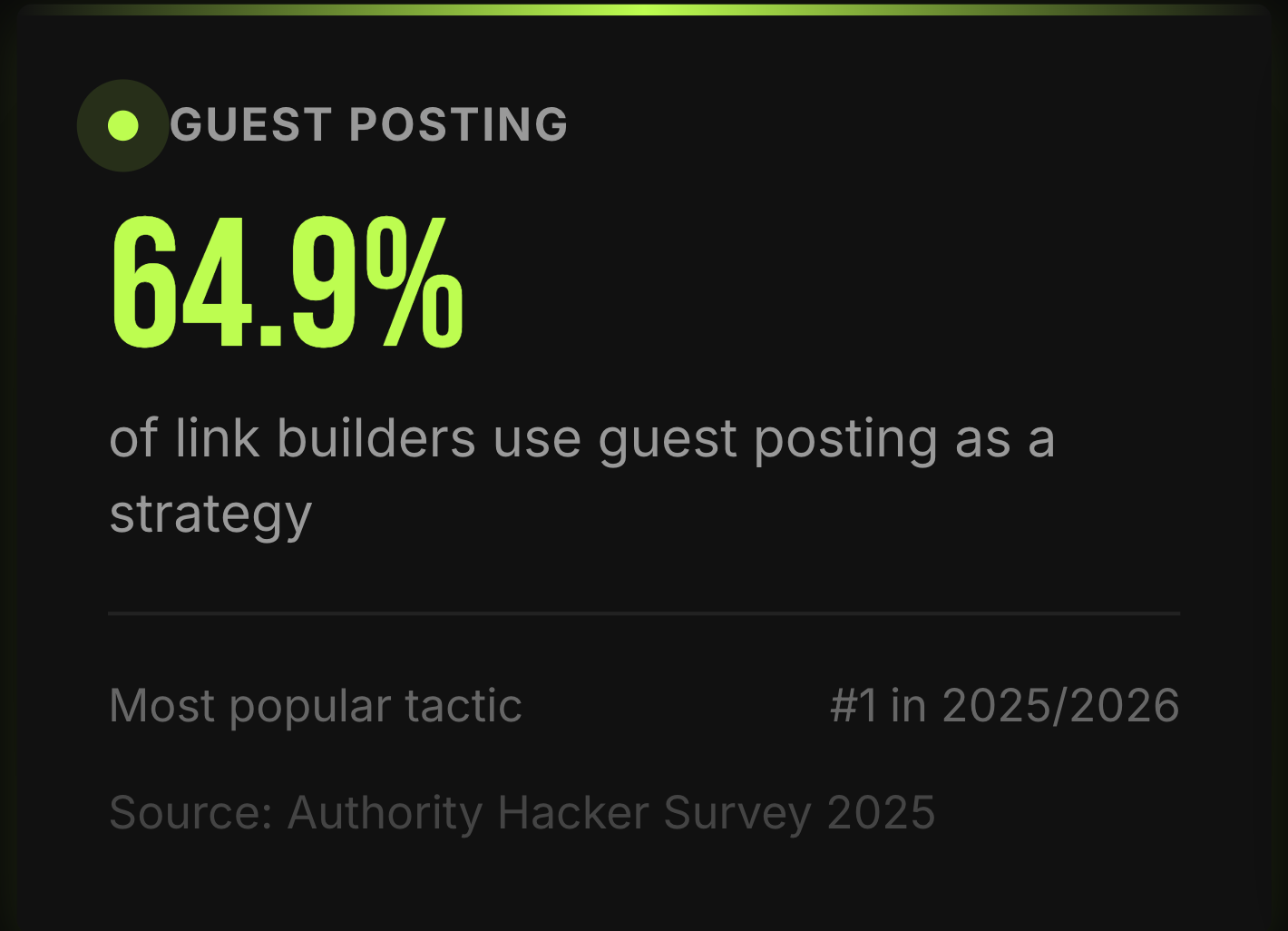
There are, however, a few differences between guest posting for enterprises and guest posting for regular SEO sites.
For one, you should not simply prioritize Domain Rating (DR) or domain authority (DA) when looking for guest posting opportunities. As an enterprise, these metrics are much less relevant.
And, don’t measure your success by how many guest post links you get. Many smaller businesses set measurable goals such as “let’s build 12 links this month”. You are past this stage. You should be looking at organic traffic, topical relevance, and brand signals.
We know there’s a lot of misinformation out there about buying links, but it’s a great way to get your content on authoritative websites fast. If you aren’t sure how to do this, read our complete guide on how to buy backlinks.
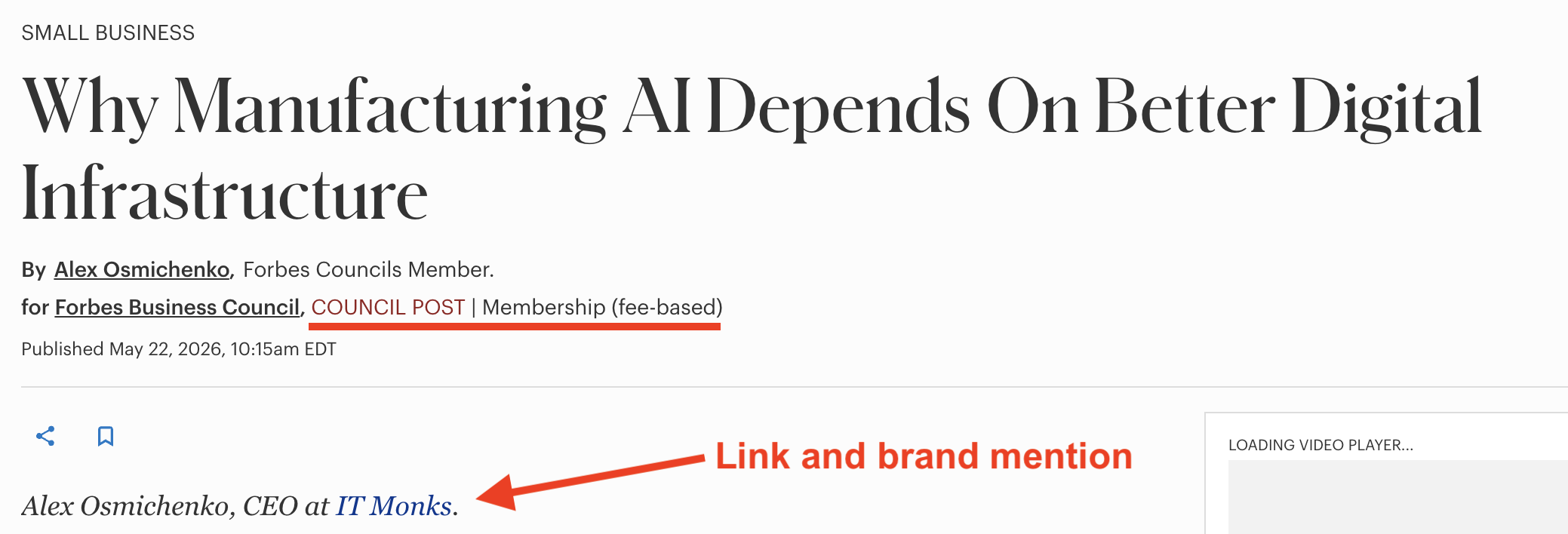
If you want to go a slightly more legit route, you can apply to become a contributor to programs like Forbes Business Council or Rolling Stone Culture Council. They position themselves as thought leadership platforms where executives share insights, but they’re actually fee-based enterprise guest posting opportunities.
Here’s an example of a Forbes Council backlink:
Link Reclamation
Link reclamation is a term for recovering link equity that belongs to your website by regaining links that have been lost, moved, or stolen by competitors. Reclamation involves recovering links to your site by monitoring your backlink profile and restoring 404 pages or redirecting the traffic.
Broken, lost, or stolen links are a much bigger issue for large organizations than they are for smaller businesses. When you have thousands of links to manage across millions of URLs, pages inevitably get deleted, URLs change, site migrations break redirects, or publishers accidentally remove links at faster rates.
This can result in significant link attrition over time. Reclaiming a link is as easy as identifying the broken URL and redirecting it to the most relevant live page…but you need to be quick because your competitors can also monitor your broken link profile and snag those links from you.
This is why every enterprise SEO team should have someone responsible for monitoring and fixing broken links.
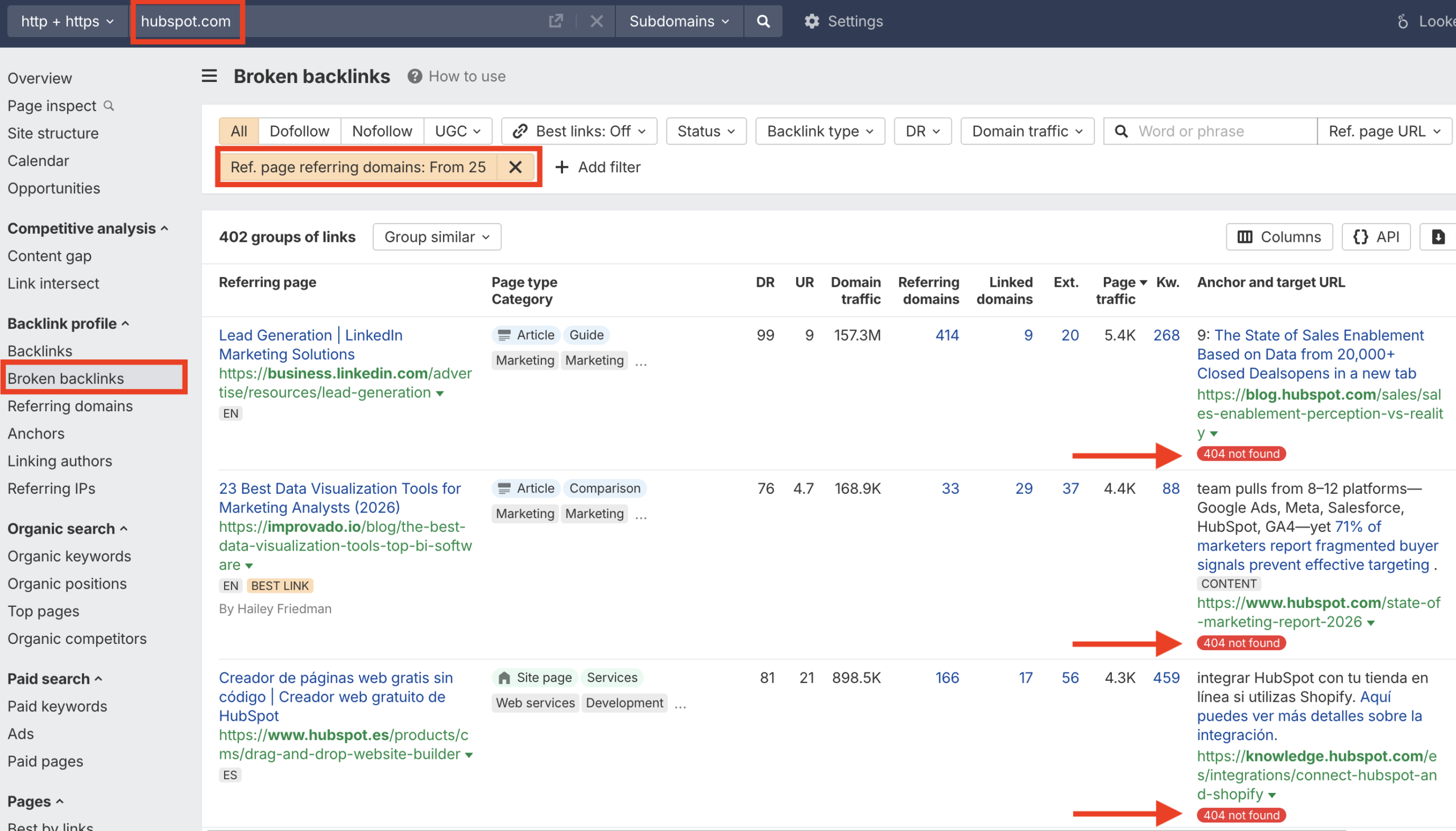
To check your broken backlink profile on Ahrefs, just:
- Enter your domain into Site Explorer
- Click Broken Backlinks on the side panel. This will show backlinks pointing to URLs on your website that return a 404 status code
- Sort the results by referring domains. For enterprises, I’d recommend focusing on pages with at least 25 referring domains to prioritize high value reclamation opportunities
Here’s HubSpot’s broken backlink profile for reference:
Dusan’ Advice: Another important aspect of broken link building involves finding broken pages on other websites and suggesting your content as a replacement. Enterprises should 100% be doing this. To find your competitors’ broken links, just follow the same steps above to search their domains in Ahrefs.
Reverse Engineer Competitors
A smart way to develop an enterprise link building campaign is to look at what’s already working for your competitors. If their strategy is working, it will probably work for you too.
We often see companies waste months brainstorming link building ideas when the answers are sitting right in front of them. Your competitors have already spent years buying links, running digital PR campaigns, and building relationships with publishers. Their backlink profiles tell you exactly what the market looks like and what Google wants.
Now, the goal isn’t to copy what your competitors are doing. Instead, you should reverse engineer their strategy to look for patterns. Try to answer questions like:
- Which publishers link to everyone in the industry?
- How many referring domains do they have?
- What types of content attract the most links?
- How many links are they building each month?
- Which pages are attracting the most authority?
- What anchor text are they using?
When you start to see these patterns form, you get an inside look into Google’s brain as it relates to your industry. To get the data to answer these questions, log into Ahrefs and follow these steps:
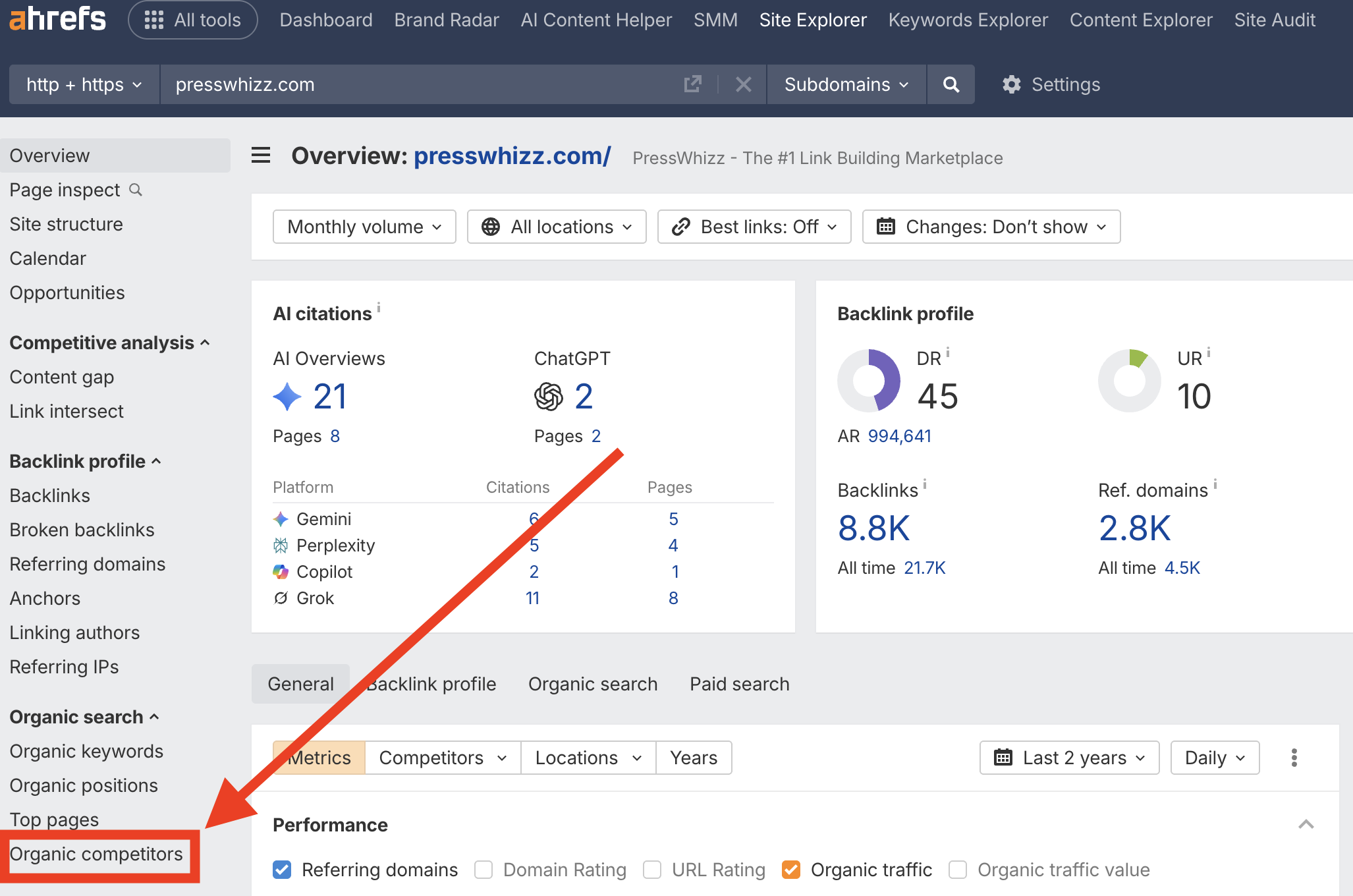
- Put your domain into Site Explorer and go to Organic Competitors on the sidebar
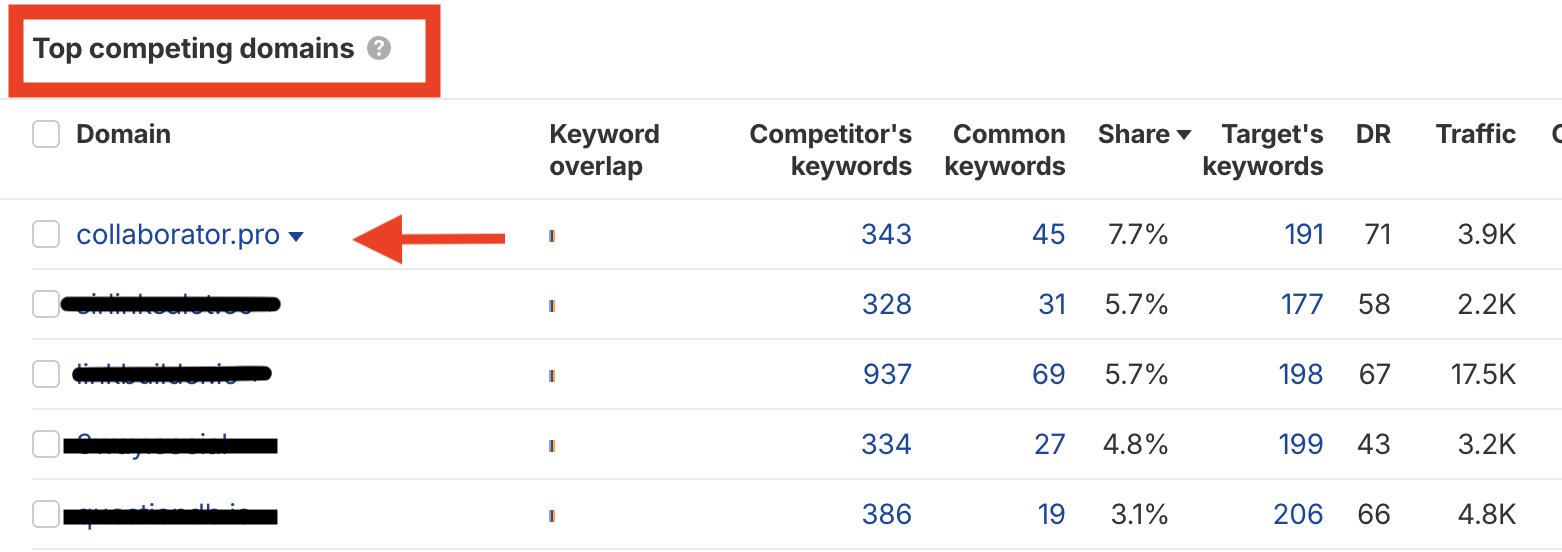
2. Identify the top 3 to 5 competitors with the most keyword overlap.
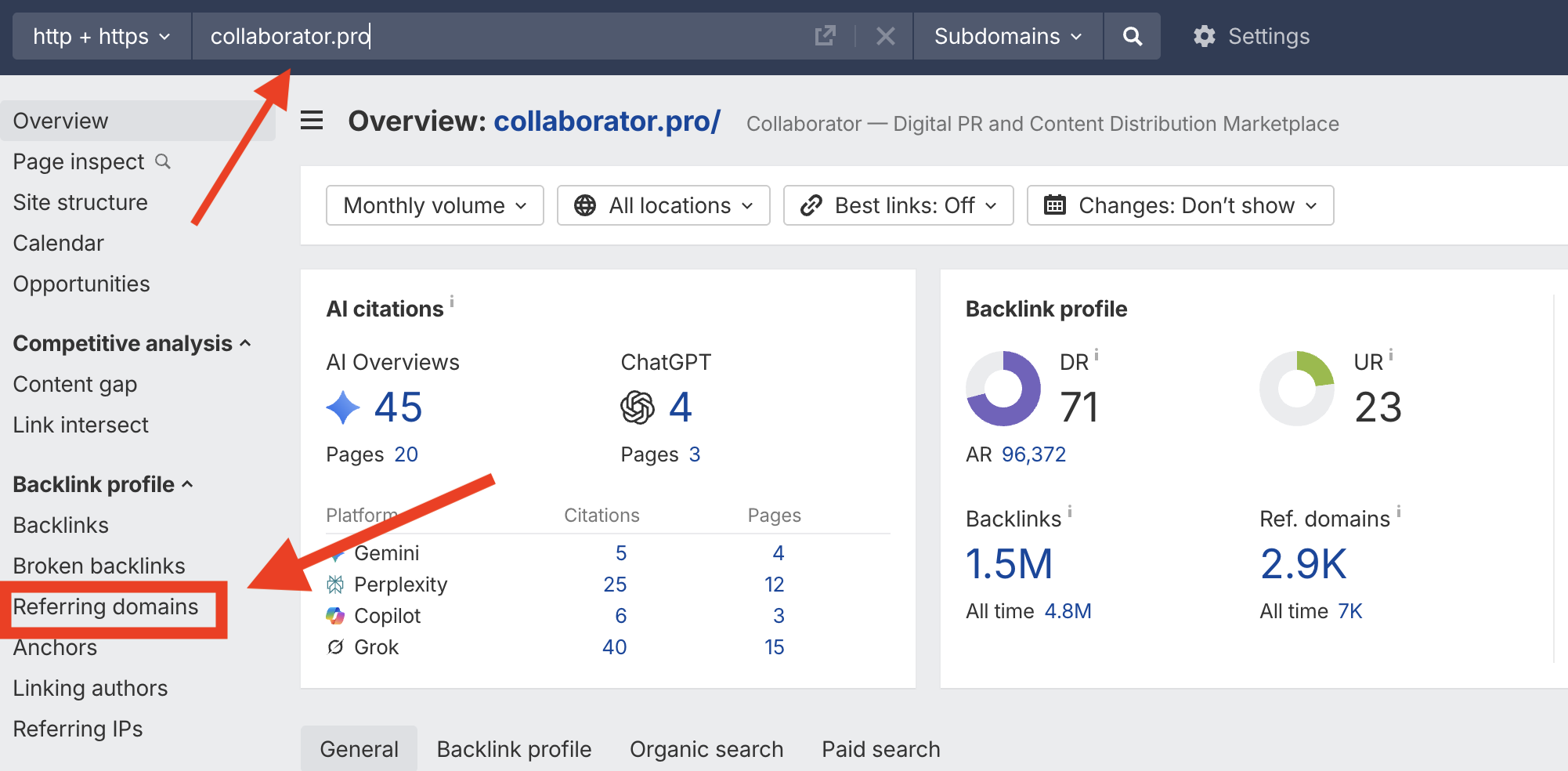
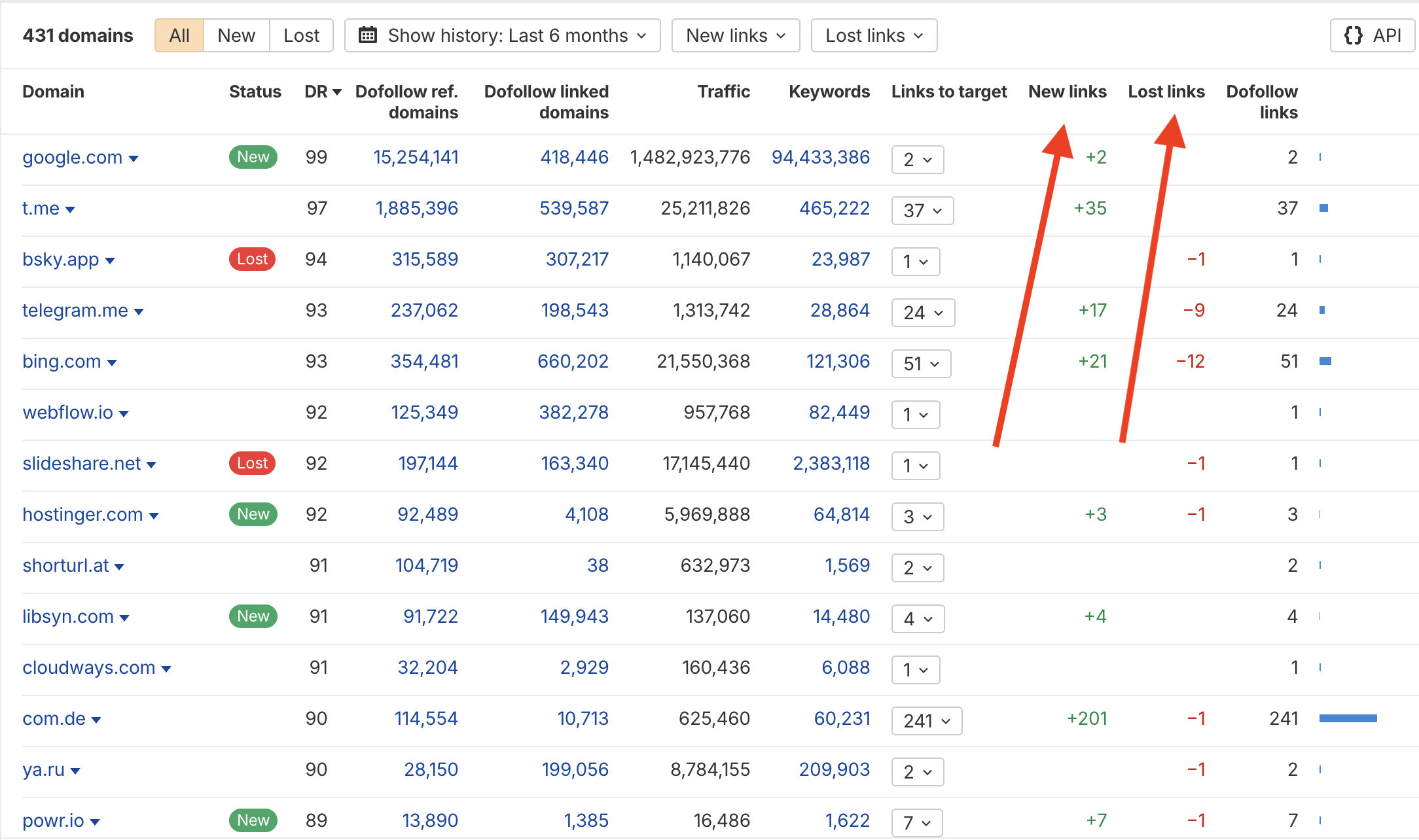
3. Open each competitor in Site Explorer and go to their Referring Domains report on the sidebar
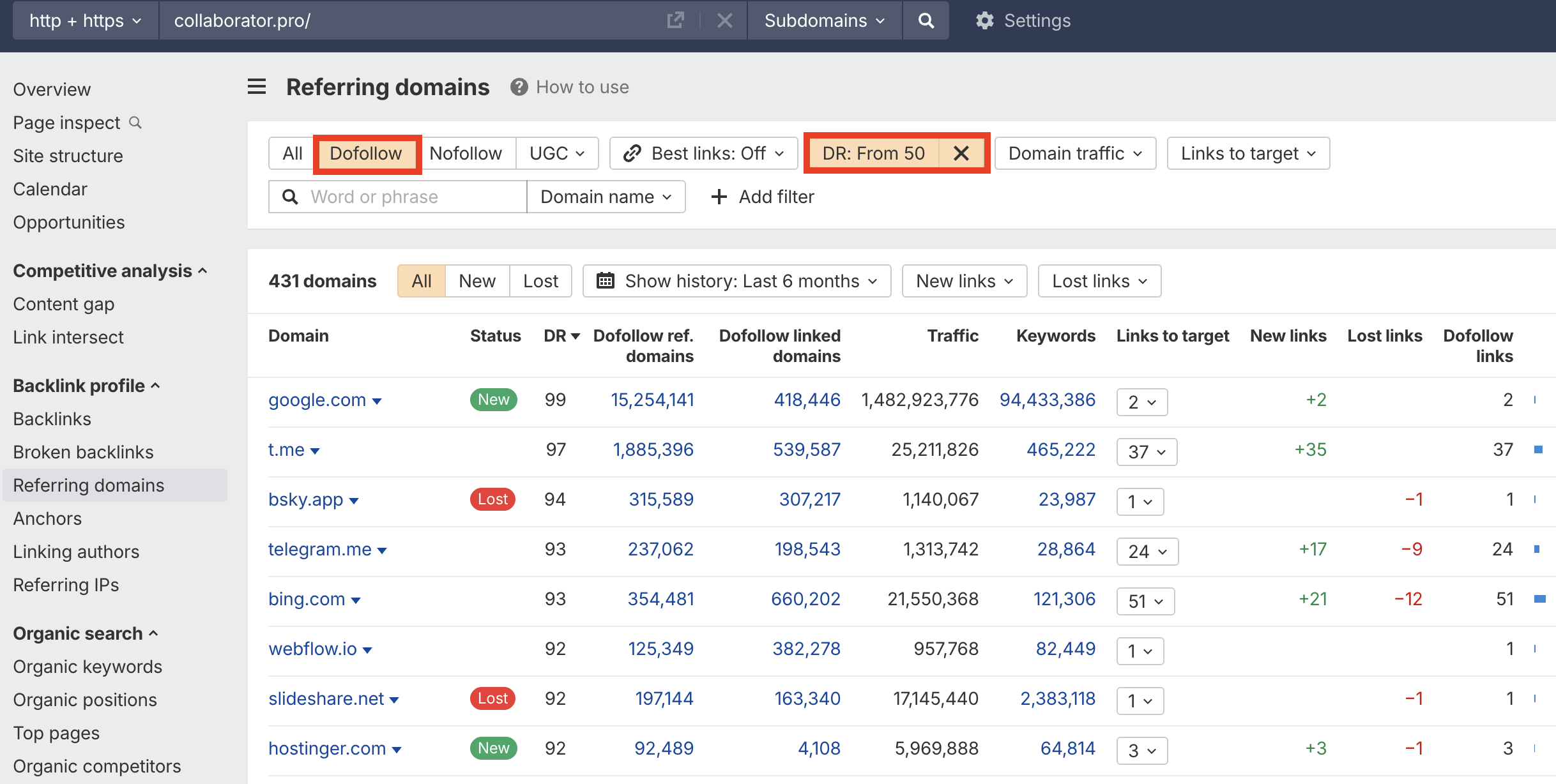
4. Sort the referring domains report by DR and filter for Dofollow links.
5. To understand link velocity, check New/Lost links.
6. Next, click Best by Links in the sidebar to see which pages attract the most authority.
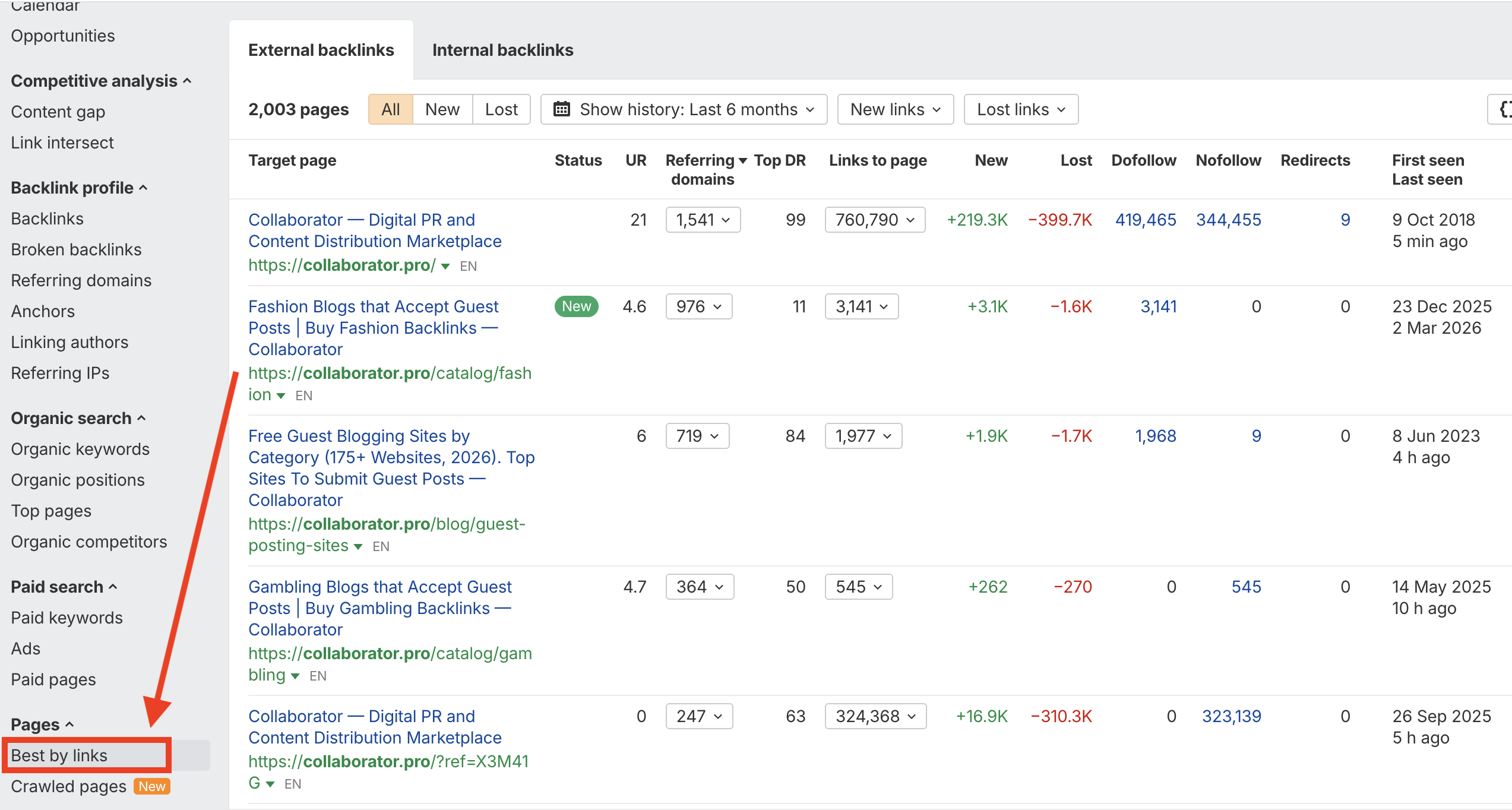
7. Open high performing pages and inspect the backlink sources. Categorize each link type: Digital PR, guest post, partner page, resource page, directory, sponsorship, niche edit, editorial mention, etc.
8. Export the data and organize it in a spreadsheet. Columns should include:
- Competitor
- Linking domain
- DR
- Traffic
- Target URL
- Link type
- Anchor text
- Replicable? Yes/No
- Estimated cost
- Priority
Once you have your data compiled, it’ll be easier to visualize your strategy. Instead of saying “we need more links,” you can say, “we need 150 relevant referring domains over 12 months, with 40 coming from PR, 50 from partnerships, 30 from guest posts, and 30 from resource opportunities.”
Now, all that’s left to do is estimate the costs and align your budget with your link acquisition goals.
Create Linkable Assets
A linkable asset is a piece of link worthy content that provides enough value for other websites, journalists, and industry publications to cite and link to naturally. They include original research, stats pages, free tools, glossaries, template libraries, and guides.
You might think that this sounds a lot like digital PR. Well, if Digital PR is the engine behind enterprise link acquisition, linkable assets are the fuel that powers it. A strong linkable asset drives digital PR campaigns and, ideally, continues to generate organic links for years.
Your organization should be turning this data and expertise into as many linkable assets as possible. It doesn’t have to be super complex stuff. Just look at HubSpot’s email signature generator. All it does is generate a very simple email footer, but it’s earned HubSpot over 26k backlinks and nearly 1000 AI overview mentions.
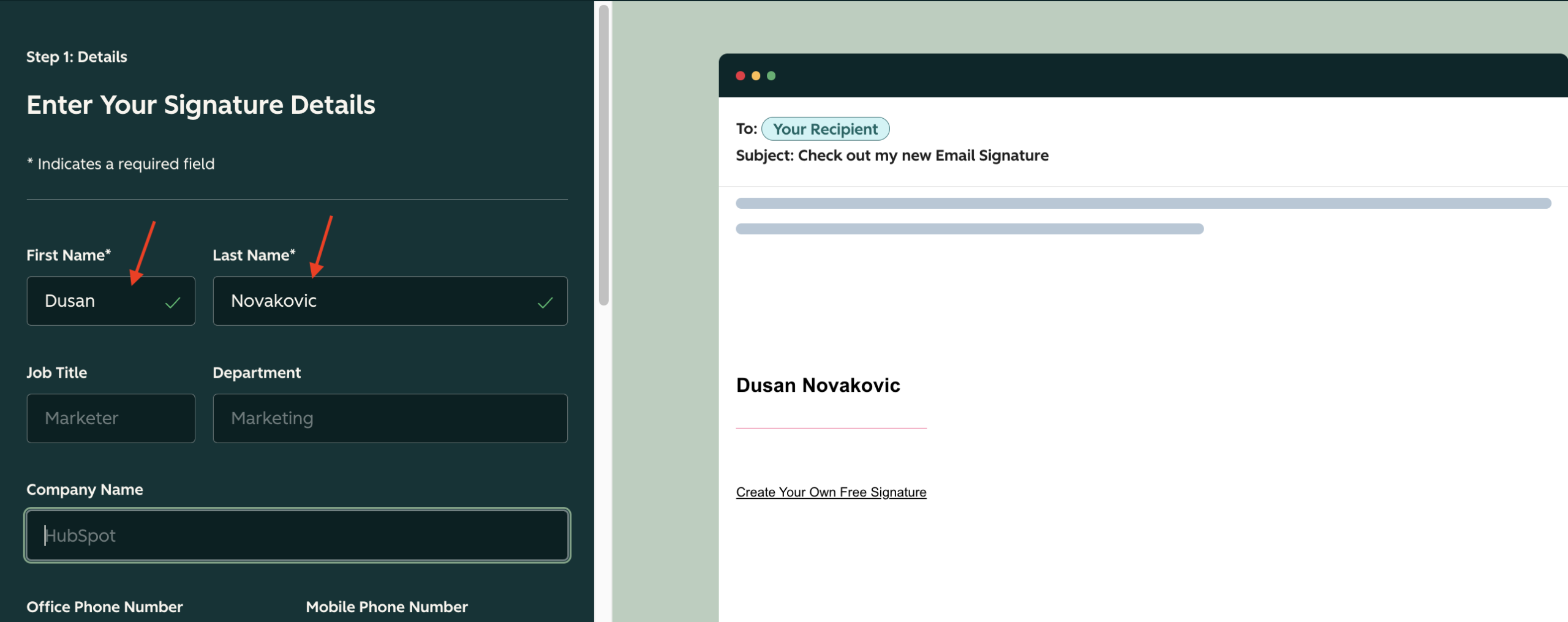
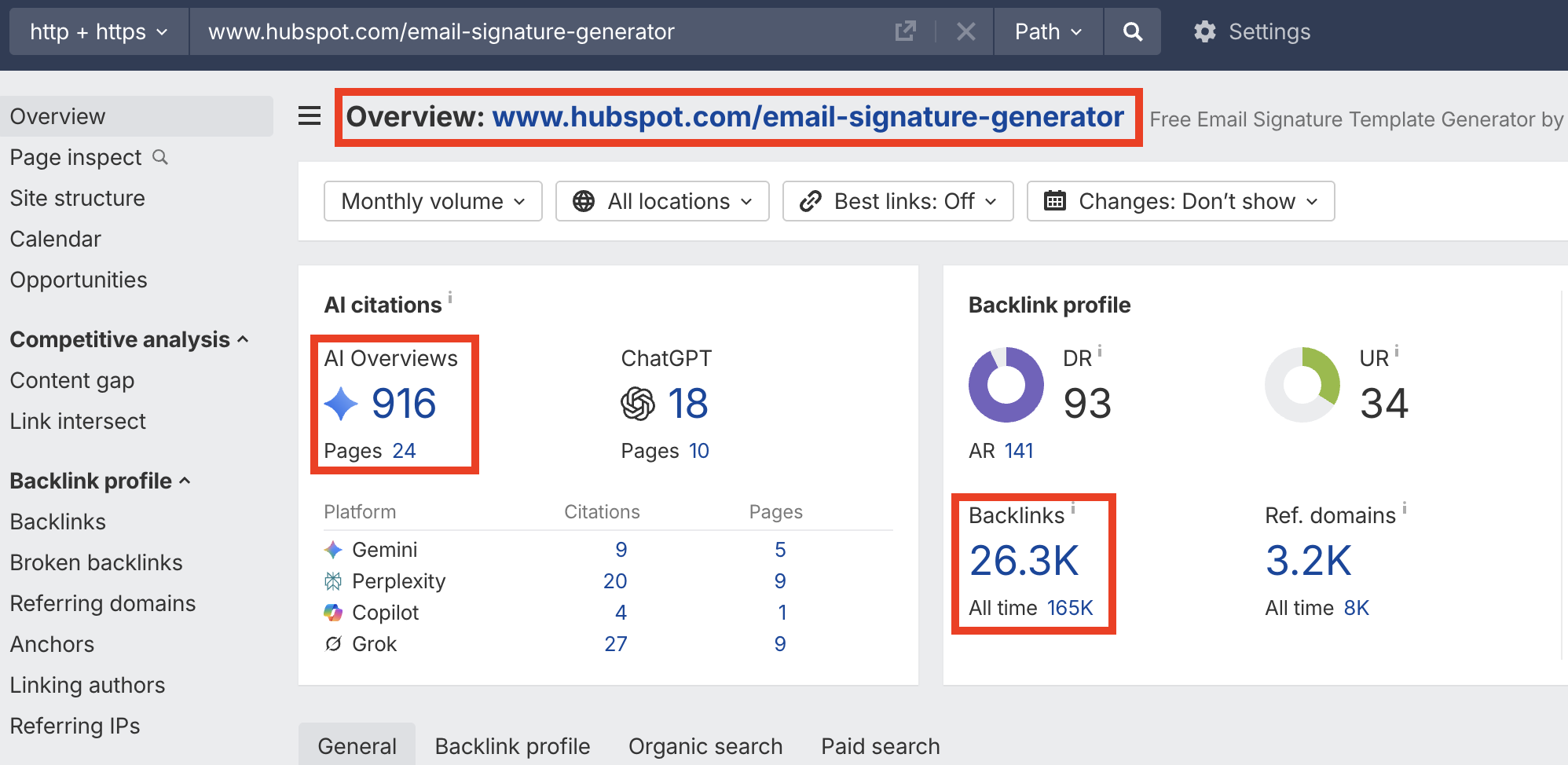
The assets you create should offer value to your customers and industry peers. Here are a few more effective types of linkable assets for enterprise SEO.
Proprietary Research
We already went into some depth on proprietary research in the Digital PR section of this article, but it’s worth mentioning again. We are massive fans of this type of asset because, beyond just links, it generates authority signals that enterprises need to compete. Citations and mentions from trusted publications reinforce entity associations, strengthen topical expertise, and increase the likelihood of your brand being referenced in both traditional search results and AI-generated answers.
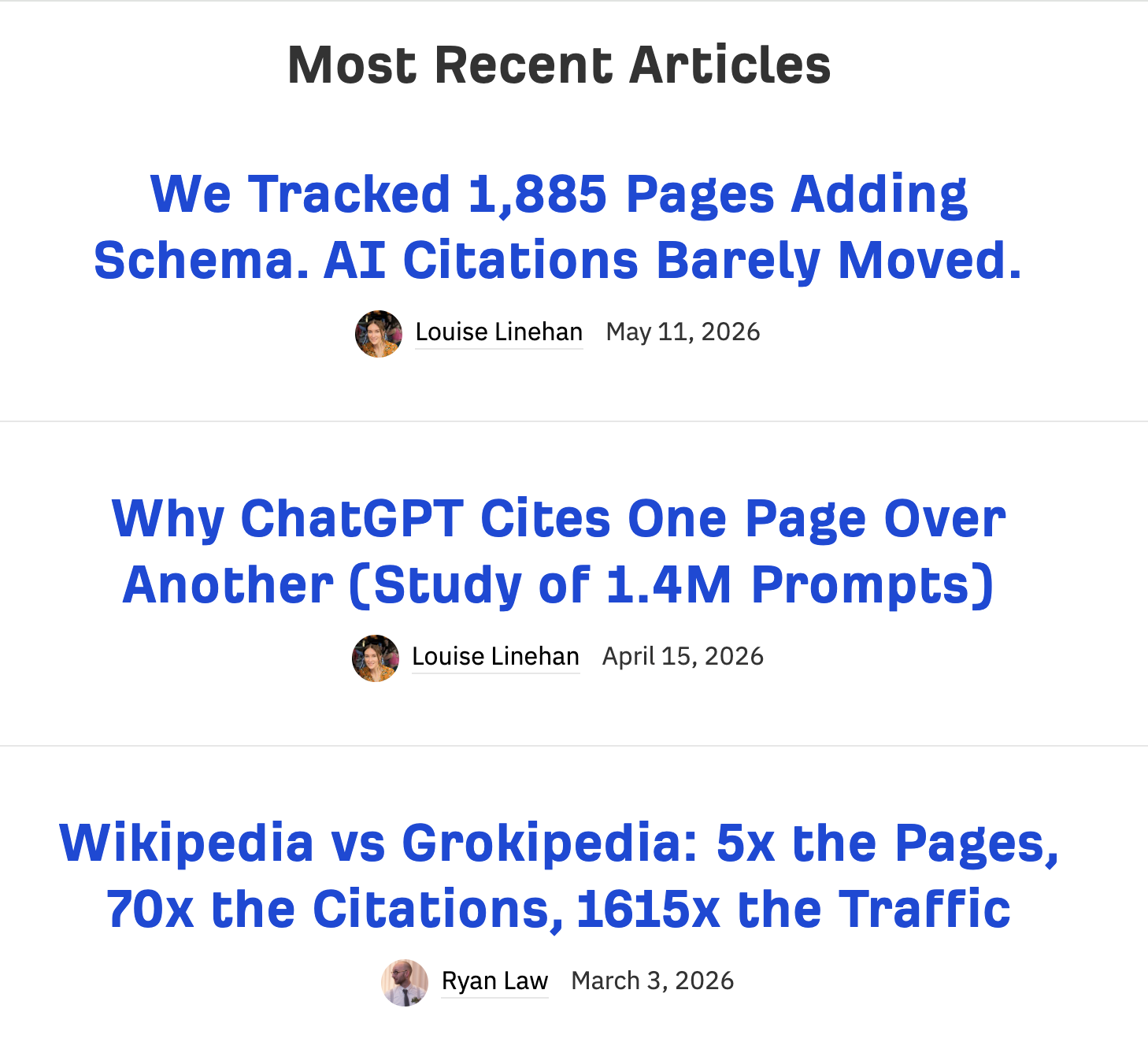
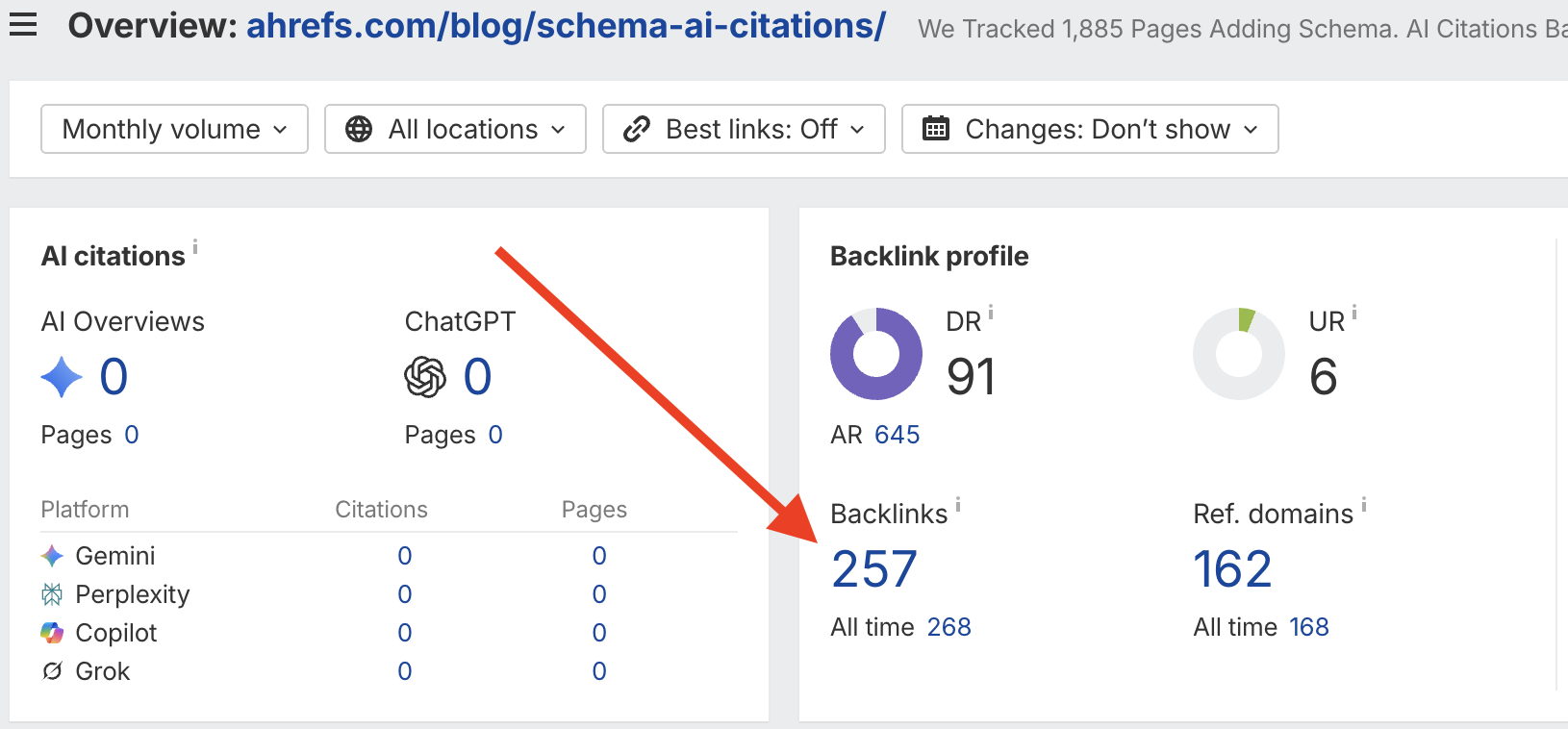
Ahrefs is a great example of a company that cashes in on proprietary research. It publishes new studies almost monthly. The most recent study from May 11, 2026, has already earned over 250 backlinks. That’s nearly 20 backlinks earned per day.
Industry Statistics
Industry statistics pages are among our personal favorite linkable assets because they’re incredibly easy to build, and they attract links for ages from journalists, writers, and researchers who need data.
They’re just a compilation of data from your industry. The easier to skim, the better, so go ahead and make the entire resource a bulleted or numbered list.
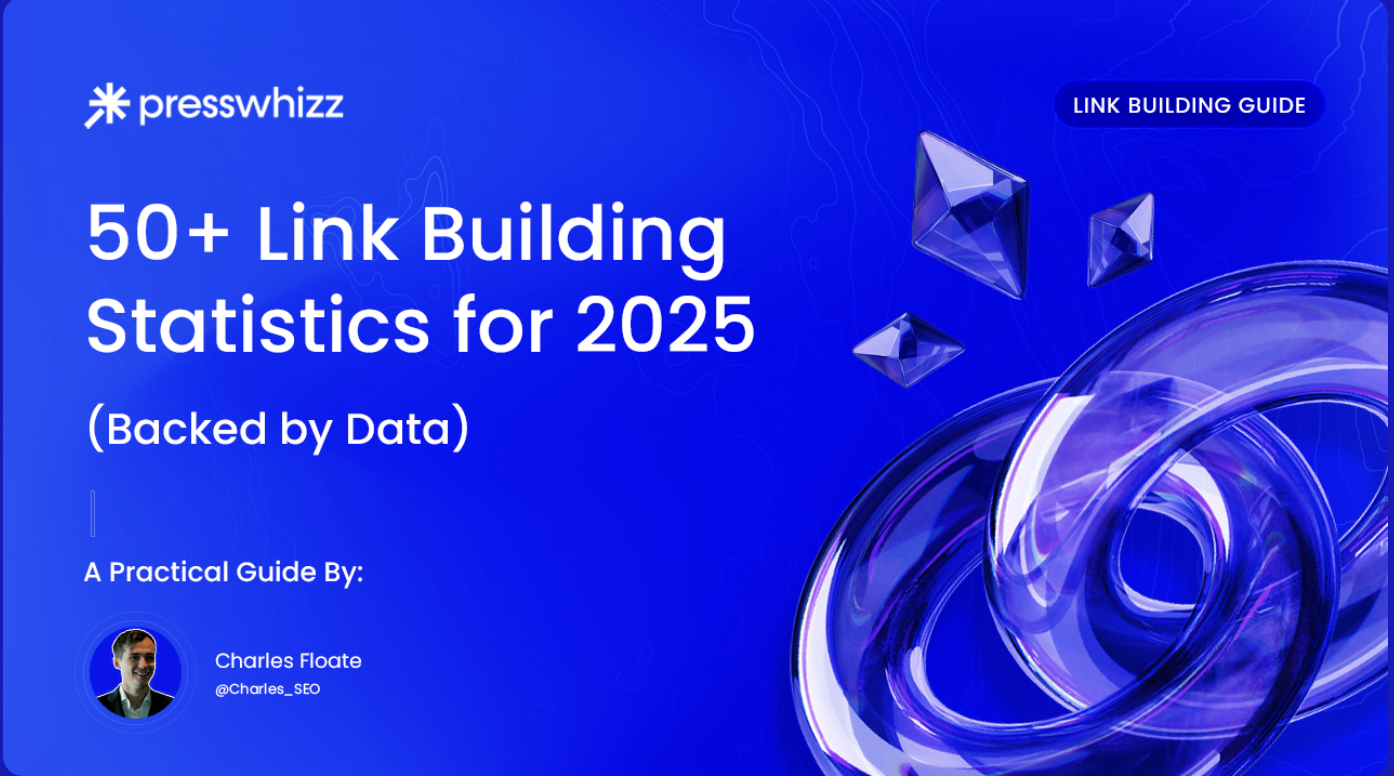
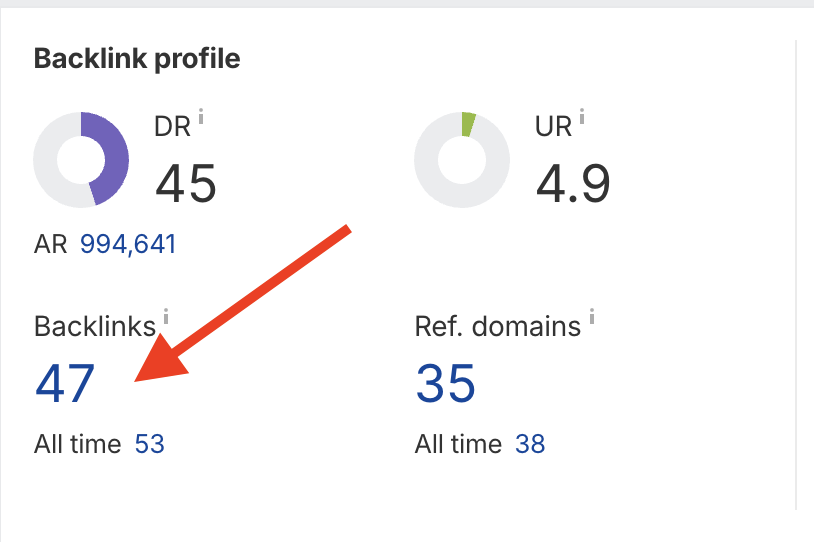
That’s what we did in PressWhizz’s “50+ Link Building Statistics for 2026” asset, and it’s earned us 47 links from high authority sites.
Stats pages are also super easy to maintain through annual updates. Review them once or twice a year, update the stats, share some new data on your social channels, and the links keep coming.
Free Tools
Free tools solve real problems for your potential customers and generate loads of links. They include calculators, generators, templates, converters, etc. The HubSpot email signature generator above is a perfect example.
If your free tool is genuinely useful, people will naturally recommend it and link to it because it helps them provide more value to their readers and customers. Free tools are constantly linked to on resource pages, news articles, industry roundups, “best tools” lists, and more.
Here’s one example of a resource page dedicated to free tools:
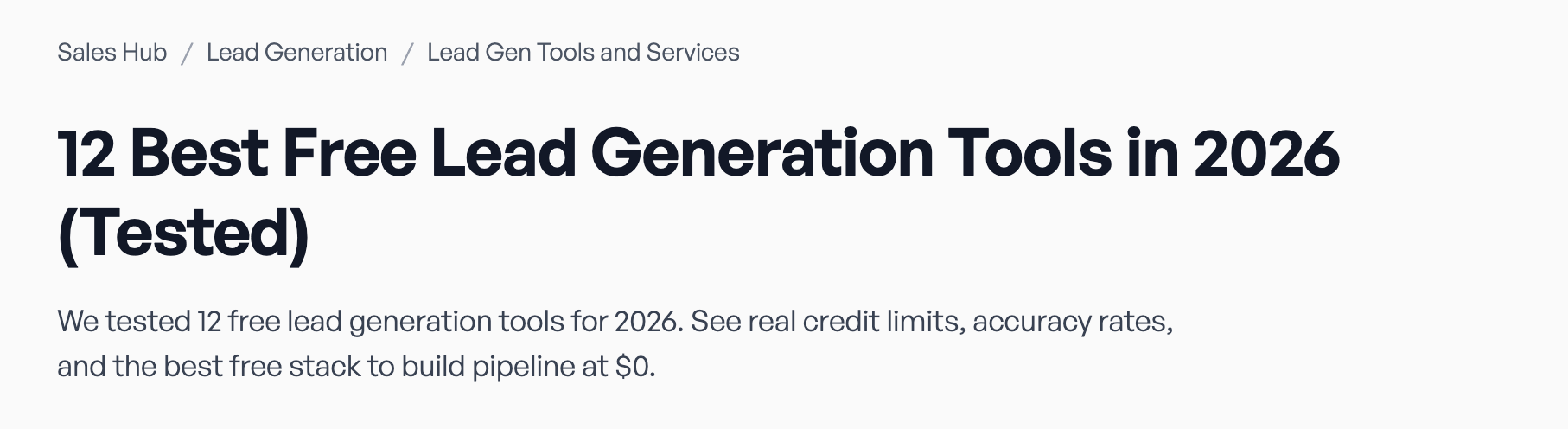
For enterprises, the lead generation alone makes it worth developing free tools at scale. When users get value from your free tool, they’re more likely to trust your brand, give you their email, and interact with your other products. So don’t just think of this as link building. Free tools are a must for your sales funnel (especially for SaaS brands).
Practical Guides
Comprehensive guides are still one of the best link building assets you can create. When your guide becomes the go-to resource on a topic, other websites reference it when explaining related concepts or supporting their arguments.
But what makes a linkable asset guide different from a blog article?
A practical guide should go into more depth than a general article and focus on helping someone solve a problem from start to finish. Instead of just informing the reader, it should enable them to do something they couldn’t do before.
A standard, non-linkable asset guide might be something like our “7 Best HARO Alternatives” article. Whereas a practical guide may be, “How to Sign Up for HARO and Land Your First Media Mention.” This tackles a real problem, so it’s more likely to generate valuable links.
Here’s an example from HubSpot. Notice how it has a clear focus and deliverable objective: “Learn how to build effective battlecards in 30 minutes with AI.”

Practical guides can take time to research and create, especially if your customers need to solve complex problems. But this can be a good thing because those guides will be the hardest for your competitors to recreate.
Vendor Links
Vendor links are backlinks you earn from companies that provide products or services to your business. They’re very similar to the partner and customer links I covered earlier because they come from existing business relationships rather than cold outreach. The difference is that, instead of getting links from your customers or partners, you’re getting them from the companies you buy from.
Think about every company your organization partners with on some level. They probably include the following (at bare minimum):
- Software providers
- Logistics companies
- Agencies
- Consultants
- Payment processors
- Technology platforms
- Hosting companies
- Manufacturers
- Distributors
- Service providers
Many of these businesses list their partners on showcase pages, case studies, testimonials, integration pages, and more. If they do, send an email and ask to be included. It’s that easy.
They might ask for a quote or a testimonial, but that’s a small price for a high quality backlink.
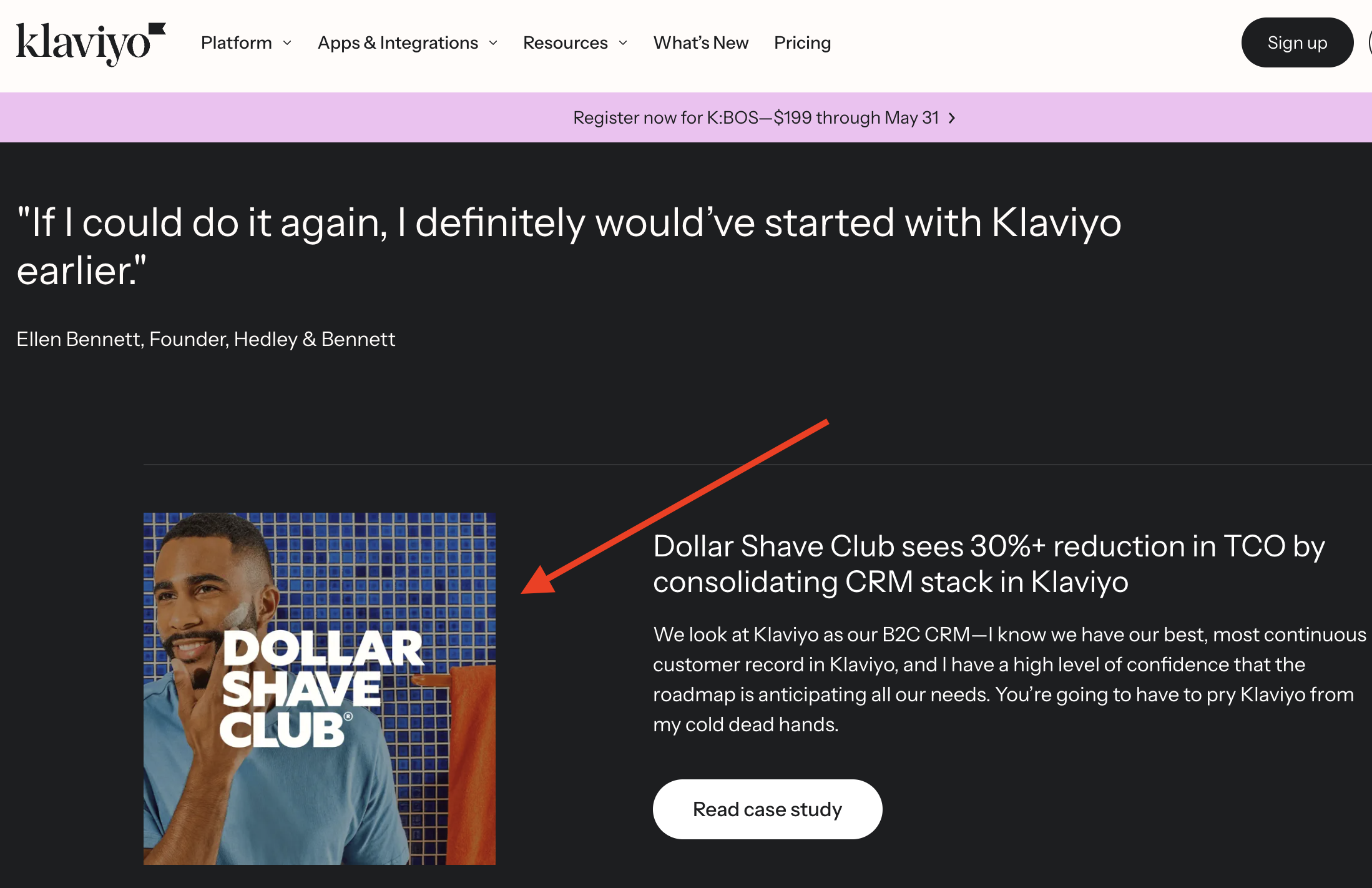
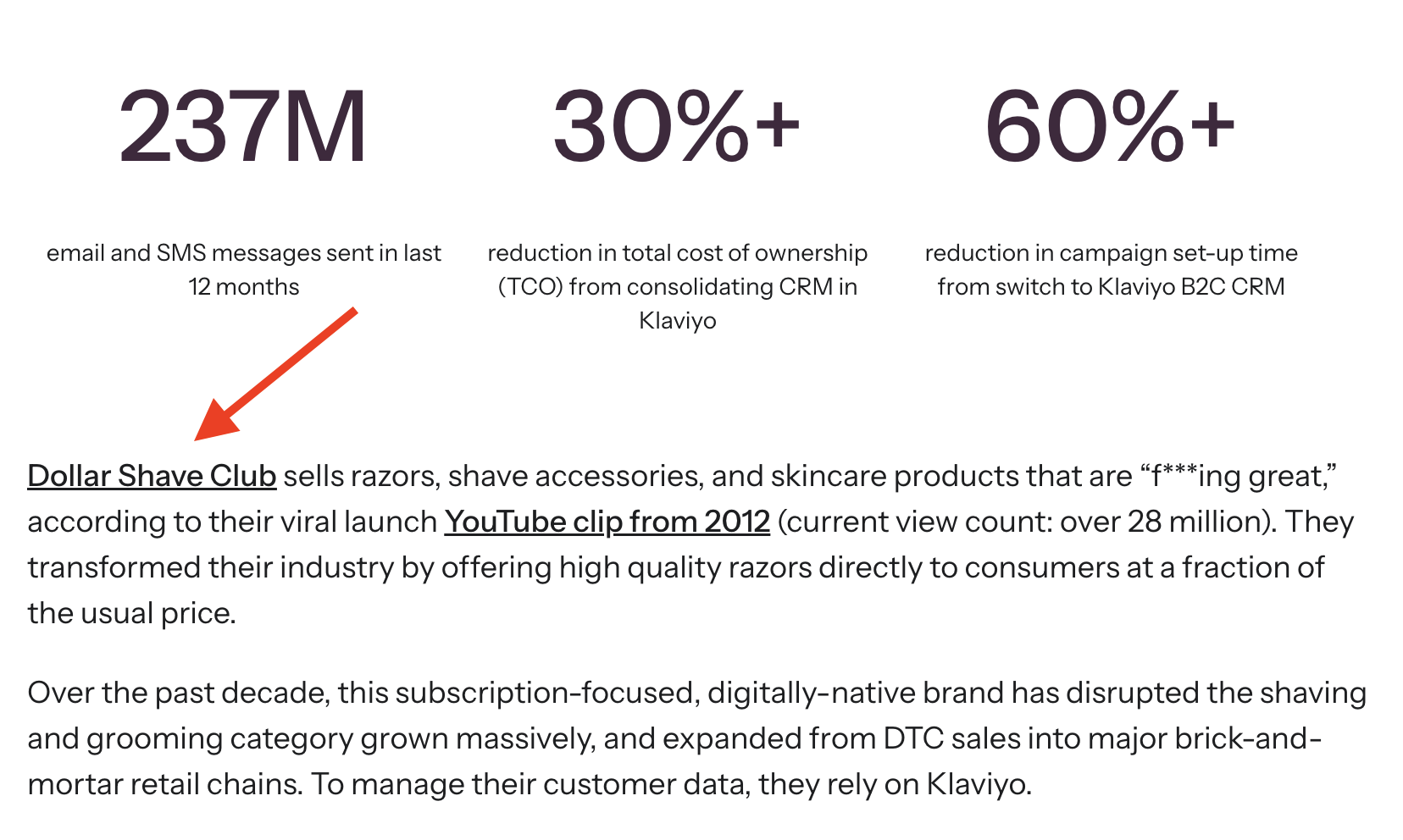
The email marketing company Klaviyo’s customer success page is a good example. It showcases a number of company success stories, and each brand gets a link.
Final Thoughts
If you’re an enterprise looking to increase your organic search traffic, we encourage you to think bigger than individual link building tactics. Enterprise link building is a systems, prioritization, and leverage challenge. Not simply a matter of sending more outreach emails or publishing more guest posts.
Your organization has advantages that smaller competitors can only dream of: an established brand, proprietary data, media relationships, larger budgets, and the ability to create truly link worthy assets. But without executive buy-in, clear prioritization, and coordination between SEO, PR, content, and marketing teams, those advantages can turn into bottlenecks that slow execution and waste resources.
Our advice is simple: build a repeatable system, prioritize opportunities that drive business impact, and focus on compounding authority over time. The enterprises that consistently win are the ones making the smartest link building decisions, not who spend the most money.
– Dusan Novakovic