

Looking for a link building checklist that covers everything you need to know about planning a link building campaign from the ground up?
That’s exactly what I have for you here today. This link building checklist covers the entire link acquisition process from your first audit to long-term link management processes.
I’ve been in the SEO link building industry for 17+ years now. Literally since I was 12 years old. And this is the exact step-by-step process my team and I use on every new client.
We’re going to break the entire audit, research, planning, and outreach process down into 7 steps so it’s as digestible as possible. Along the way, you’re going to learn invaluable link building knowledge, such as:
- How to audit your own link profile
- How to analyze competitors
- How to build your own strategy
- How to estimate the number of links you need as well as your budget
- The different types of links you need to build
- How to run outreach campaigns the right way
And a ton more.
This is not the same old regurgitated “write good content” advice you see around the web. This is link building knowledge from a veteran with nearly two decades in the industry.
Step 1) Run a Link Building Audit
The first thing you need to do is audit EVERYTHING. I don’t mean just checking your links and briefly looking at your competitors. You need to do a massive, sweeping audit of every detail related to your links, your competitors, and Google search engine results pages (SERPs).
Let’s get started.
Analyze Your Backlink Quality
Step 1 of the link building process is auditing your existing backlink profile before you start building any new links.
You need to perform a 10,000-foot view analysis and identify major strengths, weaknesses, and obvious gaps that could impact your rankings. At this stage, you’re just looking for 3 things:
- Your authority is growing
- Your profile looks natural
- How you compare to competitors
I always run a link profile audit for every new client first before anything else, because it tells me exactly what to fix and what to build first.
Pull your domain into Ahrefs and look at the following:
- Referring domains and growth: Look for how many unique sites link to you, your link velocity, and your new versus lost domains over the past 12 months.
- Authority distribution: Authority distribution is how domain rating (DR) is spread across your profile, since a handful of strong domains carry more weight than a pile of DR 10 sites. You can also use domain authority. Read my guide on domain authority vs. domain rating for more info on this.
- Anchor text distribution: Check the ratio of different types of anchor text and make sure your anchors look natural.
- Topical relevance: Next, see whether your linking domains match your core subject matter and target the right countries for local or international campaigns.
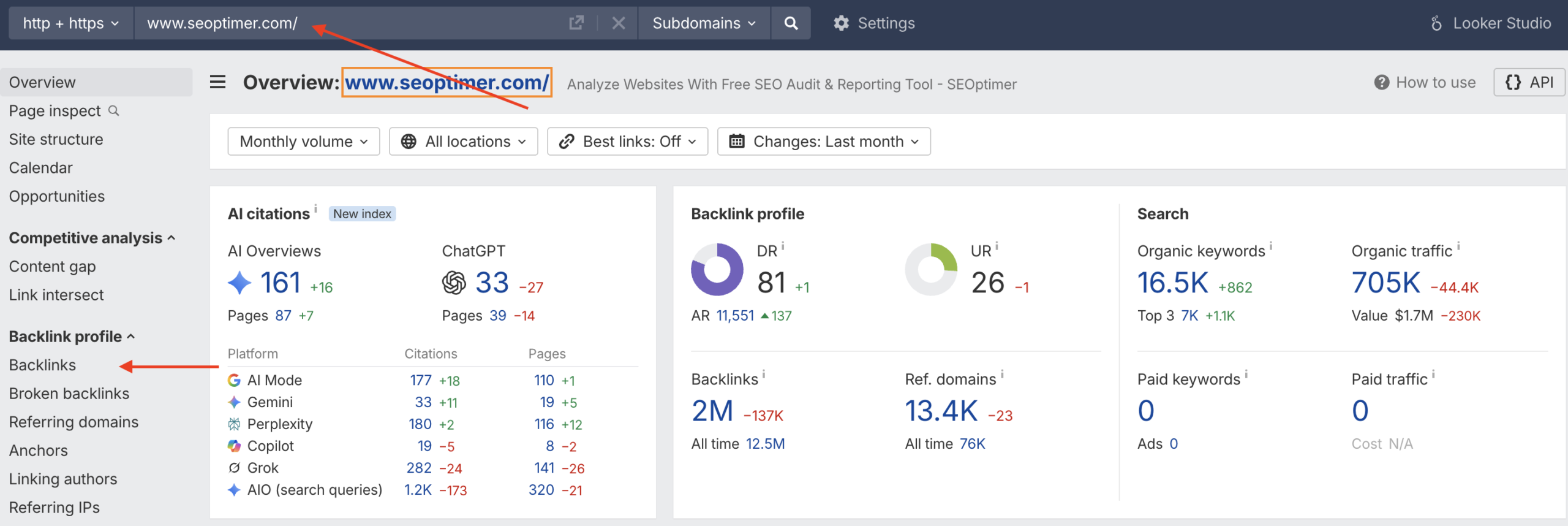
To check your backlink profile, go to Ahrefs and put your domain into Site Explorer and click Backlinks on the left:
Turn on the Best Links Only filter and then click Export:
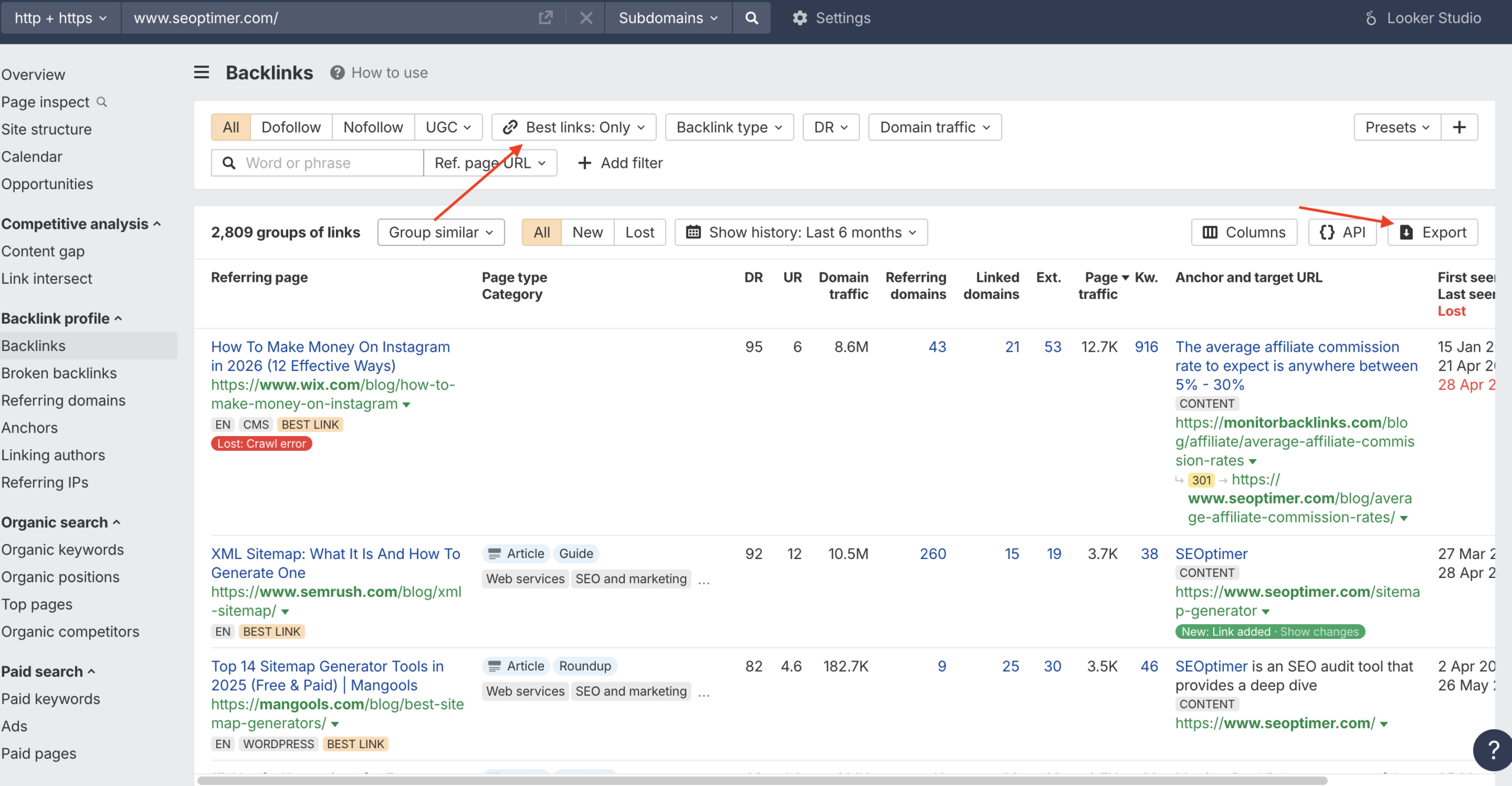
You now have a spreadsheet with a ton of juicy backlink data that you can throw into an AI project trained on your expertise. If I were you, I’d ask it to evaluate all of the criteria I gave you above and visualize it for you.
You’ll notice that a lot of the subheadings within each of the steps here bleed together. That’s just link building for you (and SEO in general).
By the way, you can use whichever SEO tools you’re most comfortable with. I usually use Ahrefs or Semrush.
Pro tip: Sort your pages by referring domains to find your single most linked-to piece of content, then build internal links from it to the pages you actually want to rank. Pull your Top Pages report and sort by referring domains, then throw that into AI and ask it to identify which page types get the most links.
Analyze Competitor Backlink Profiles
Next up, you need to perform some competitive link analysis.
Competitor backlink analysis is when you reverse engineer the backlink profiles of the sites already ranking for your target keywords to find the authority, relevance, and trust signals you need to compete.
My main goals when I reverse engineer my competition are always to answer the following three questions:
- What are the patterns behind my competitors’ rankings?
- What are the gaps between me and my main competitors?
- Roughly how many quality referring domains do I need to outrank them?
Here’s what you need to do…
Start by identifying the core terms you want to rank for and finding your competitors. For this example, let’s pretend I’m a pet blog selling healthy dog food (some people just have too much money, I guess).
Once you’ve found another high end dog food company, throw them into Ahrefs’ Site Explorer and click on the Backlinks report on the left (just like we did above):
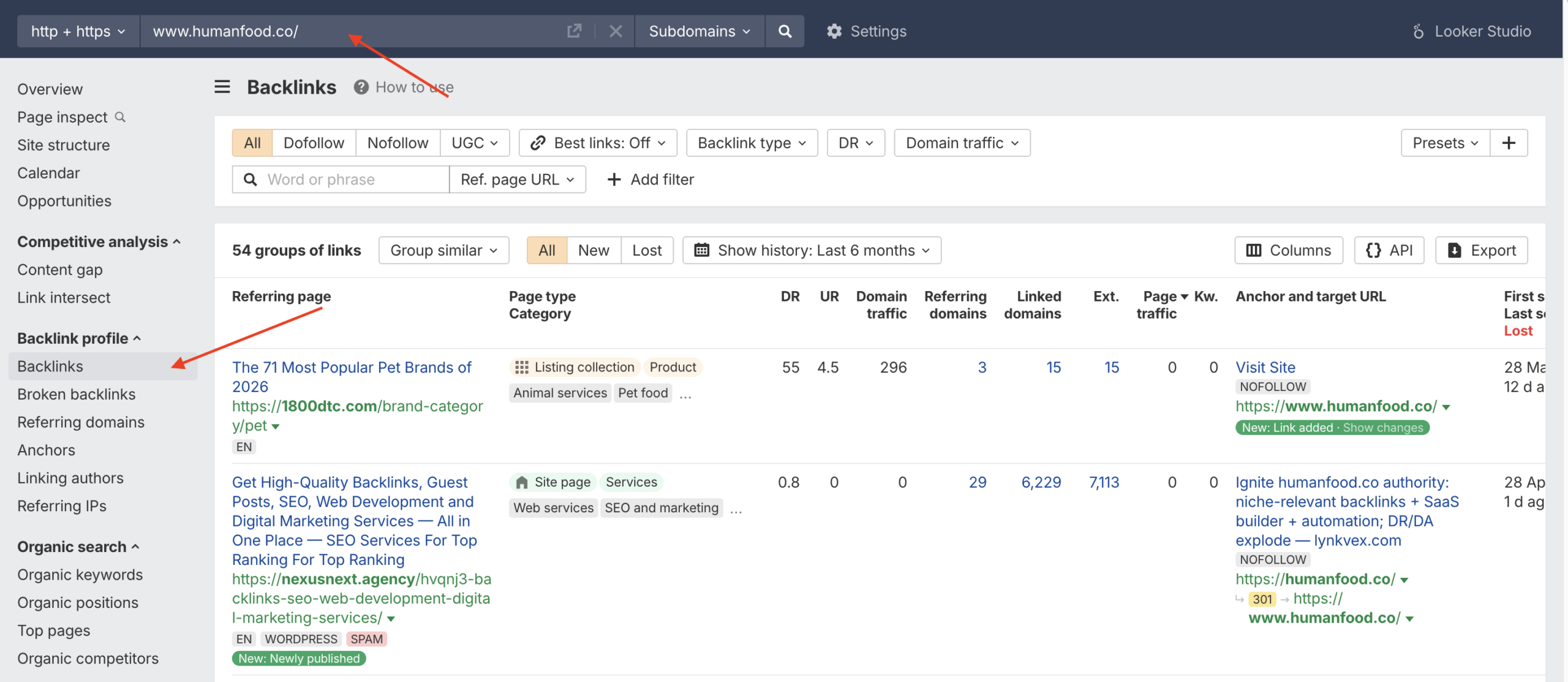
Browse around their link profile and make note of the types of sites they’re getting links from, which pages they target, the average DR, and if they’re industry relevant or not.
Then, export their links to a spreadsheet and place it into AI for further analysis.
Here’s a word of advice based on my 17+ years of link building experience: Don’t just check the total backlink count and try to replicate every link on the list.
What actually matters is the quality and relevance of those links as well as your ability to replicate them.
Here are the main things I look for when reverse engineer competitor profiles:
- Referring domain counts: Compare their total referring domains against yours to gauge the gap. This isn’t the be all and end all, but it’s a good number to have in mind.
- Authority distribution: Review the quality spread across their backlink profiles.
- Acquisition sources: What’s the distribution of their link building methods? Identify recurring sources like guest posts, digital PR, niche edits, and resource pages.
- Link gap: This is where you find referring domains linking to competitors but not to your site. I’ll cover this more further down.
- Replicable placements: This matters so much more than SEOs realize. What are the links you can realistically build in the near term? Pinpoint the high-value links you can realistically acquire yourself.
Note: I recommend merging all of your competitor’s link spreadsheets into one sheet with multiple tabs. We will be using it again later.
Link Gap Analysis
Next up is one of my favorite SEO tasks: A link gap analysis. A link gap analysis is when you compare your backlink profile against one or more competitors with the goal of discovering who links to them but not to you.
Analyzing this “gap” shows you two invaluable things that will help you compete with rival websites:
- Realistic linking opportunities (a site that links to multiple competitors is probably open for business)
- The authority gap between you and your closest competitors
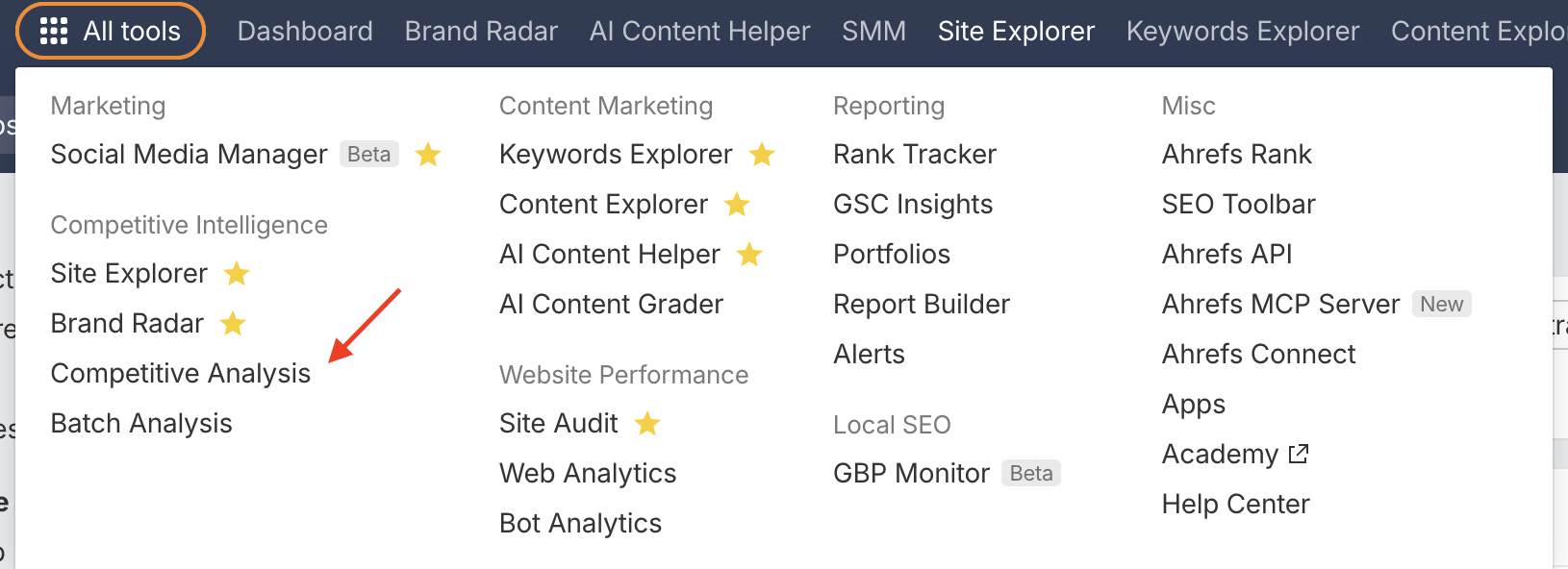
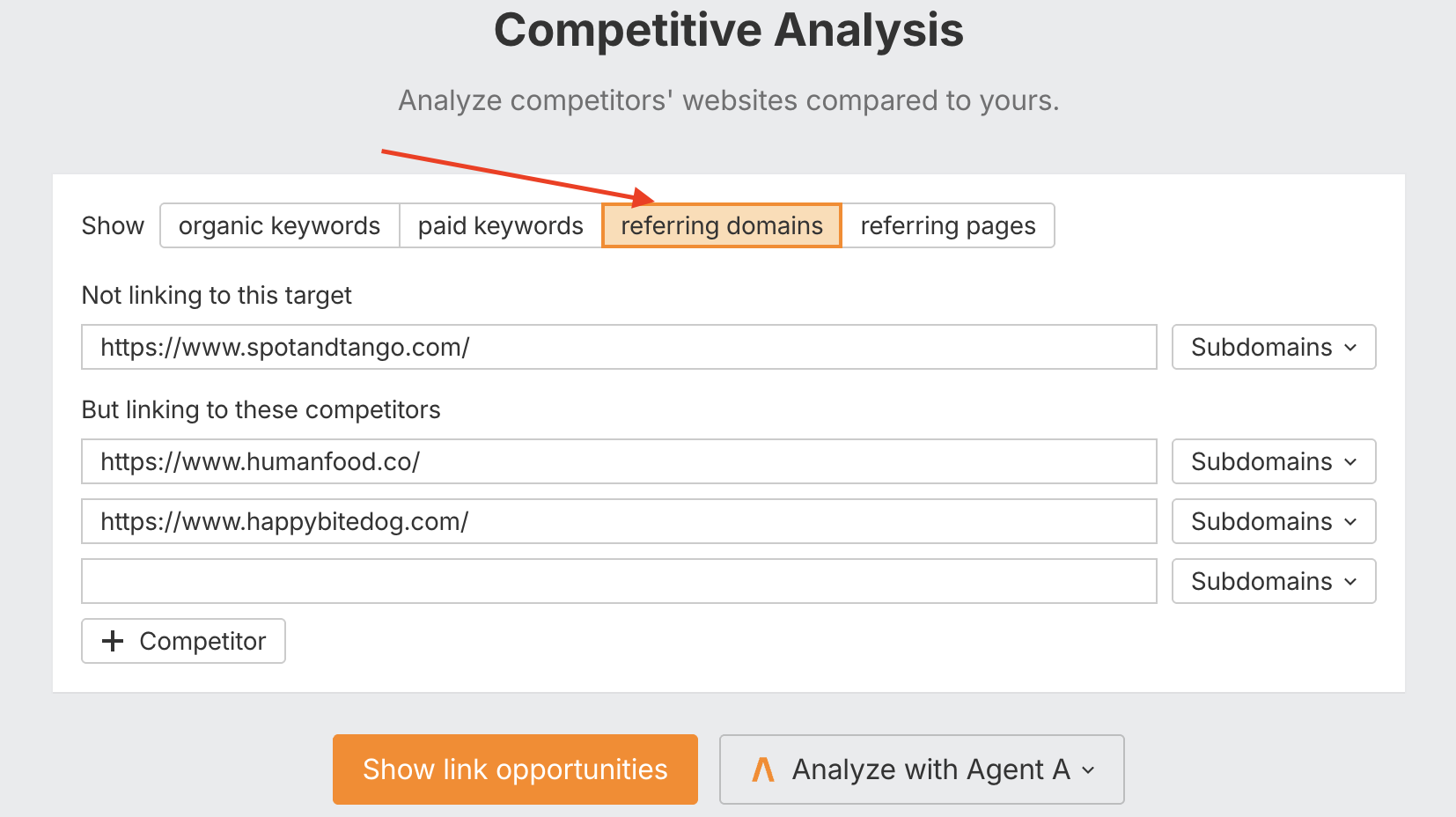
Your #1 task during this phase is to determine link intersect opportunities. In plain English that’s a website that links to multiple competitors but not to you. A site that links to multiple competitors is almost certainly accepting guest posts and will happily link to you. You just need to find them.
Go to Ahrefs’ Competitive Analysis feature in the top left:
Then, enter your site along with multiple competing sites and make sure you choose Referring Domains:
Once you have that list, choose All Competitors from the drop down menu to the right:
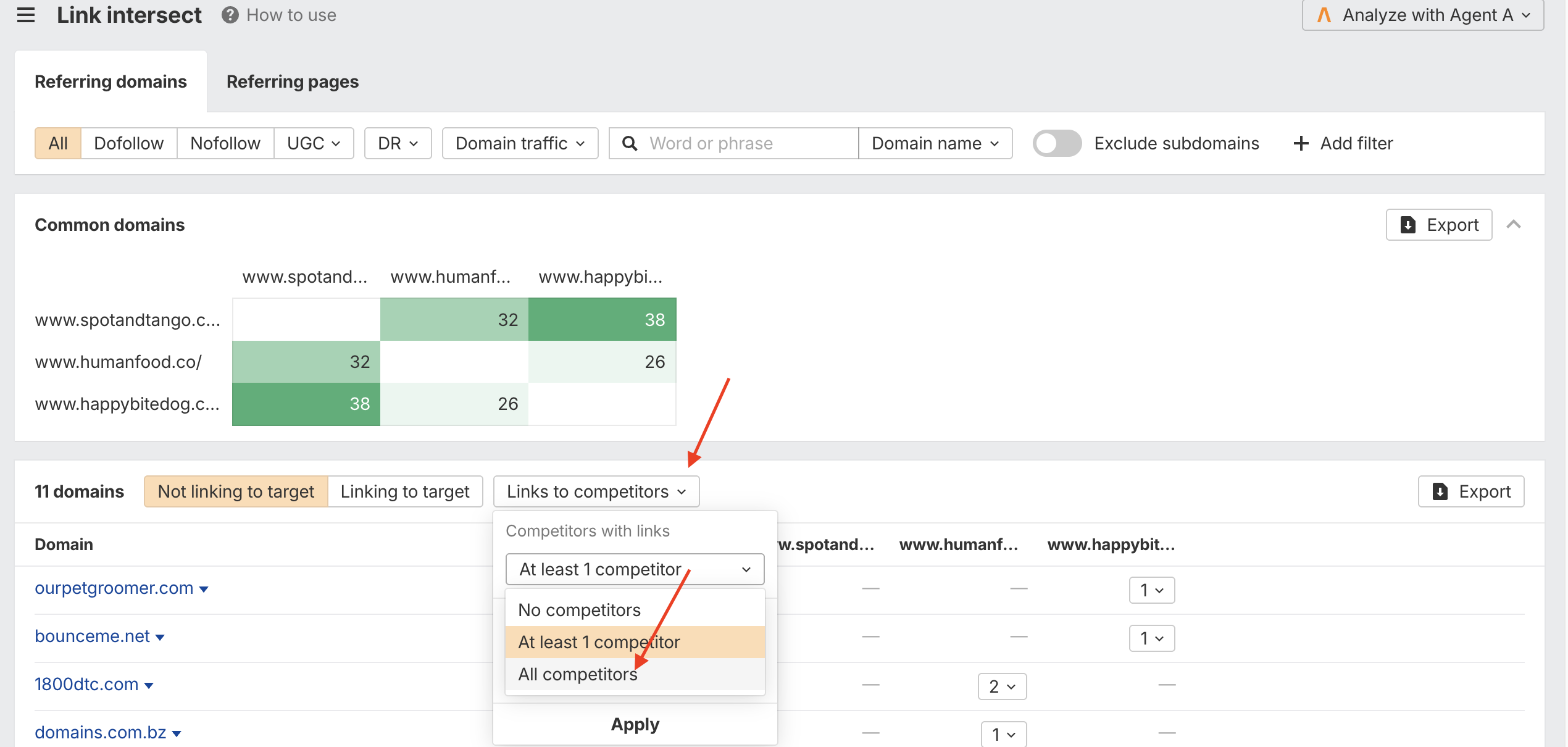
There you have it. Those are your best link opportunities for the near future.
Identify Linkable Assets
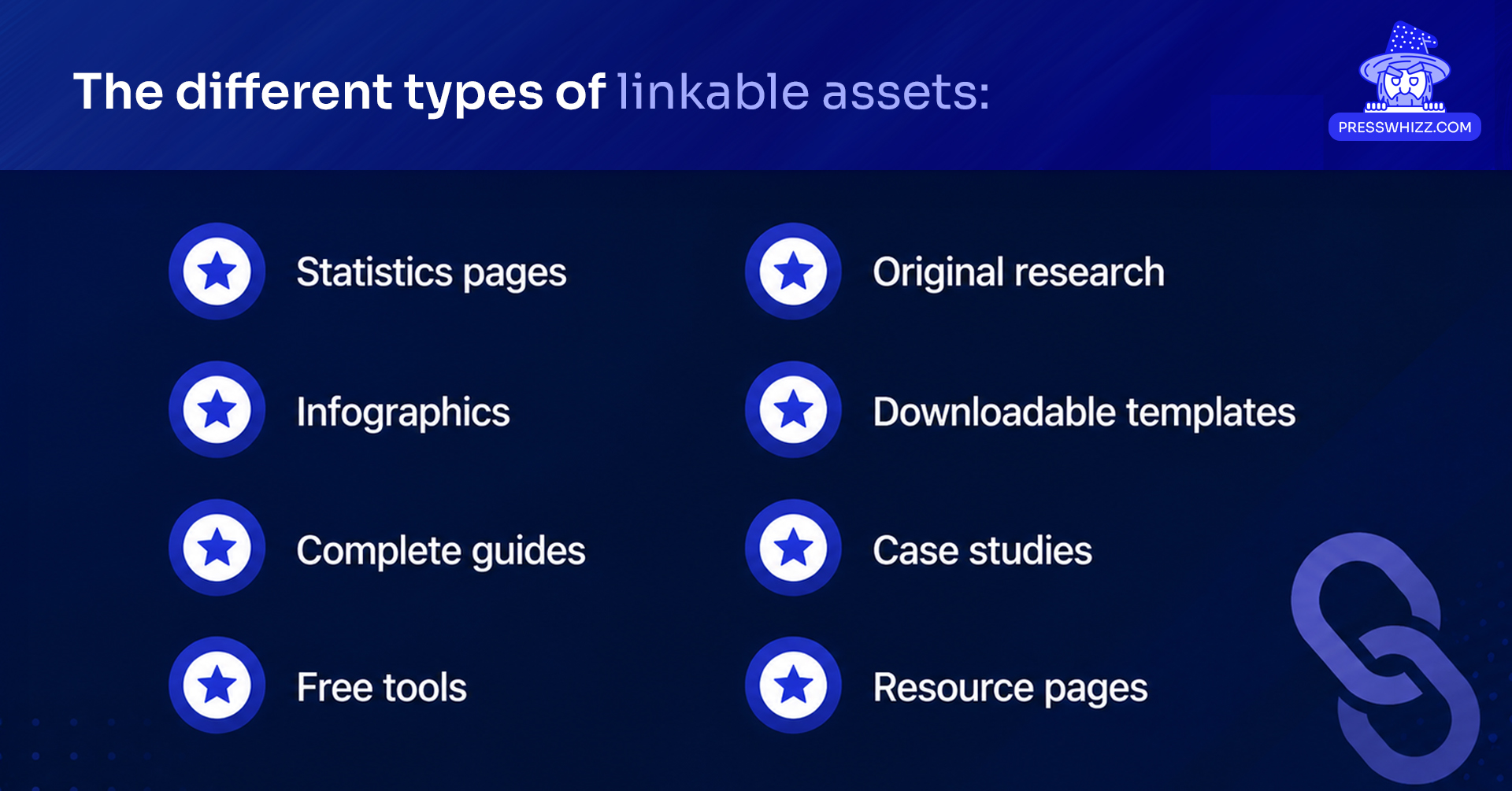
A linkable asset is a piece of content that naturally earns backlinks, like an original study, free calculator, or definitive guide. You may hear them referred to as “link bait” or “link magnets” in SEO circles.
Common types of linkable assets include:
- Statistics pages
- Infographics
- Complete guides
- Free tools
- Original research
- Downloadable templates
- Case studies
Here’s a great example of a linkable asset that HubSpot created on YouTube marketing:
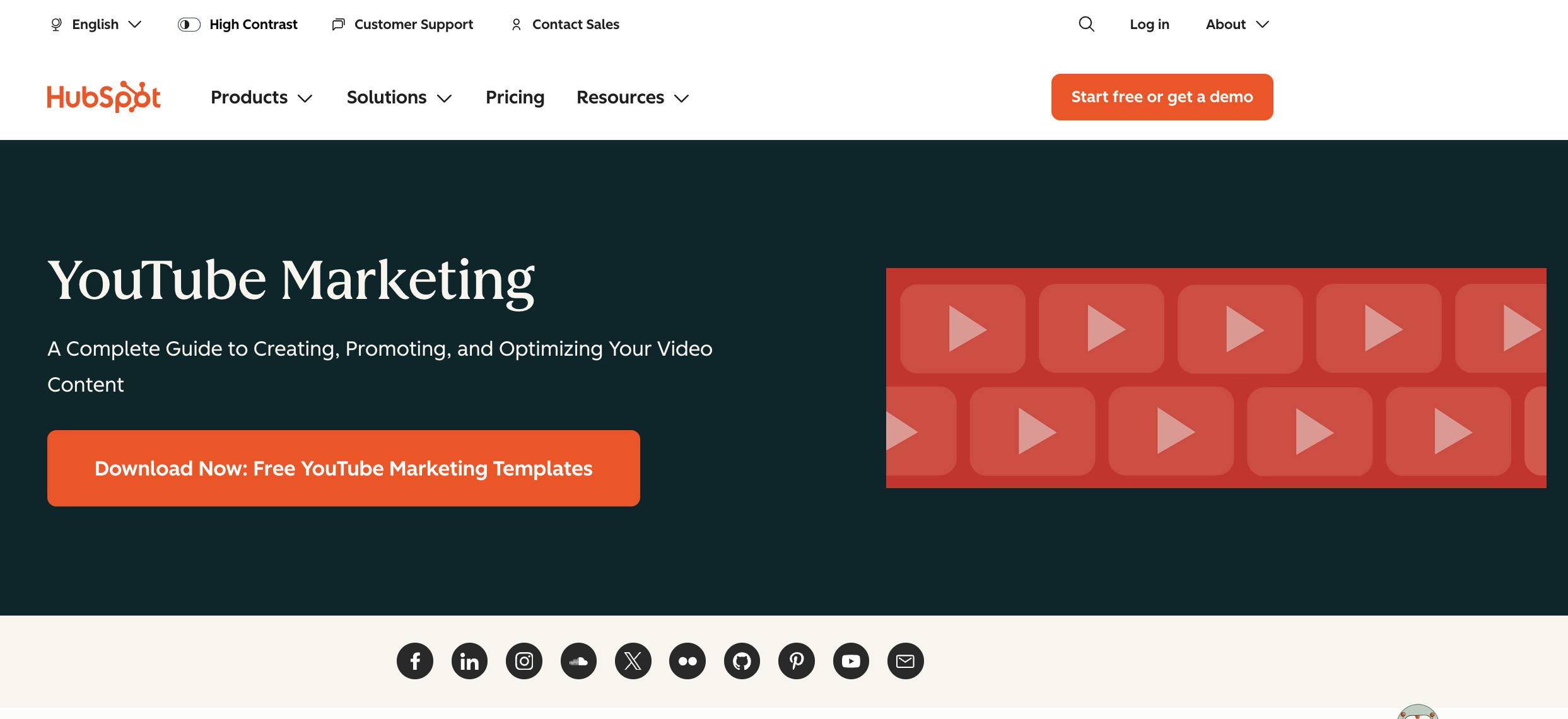
This guide literally takes you from being a novice to at least competent at marketing your business on YouTube. That type of asset can earn you dozens of organic links easily.
One of my top performing posts, 50+ link building statistics, is a linkable asset that’s earned me dozens of links:

The reason you should identify them before launching a link building campaign is simple: They’re where you’ll get the best ROI.
A great linkable asset can earn you dozens or even hundreds of high quality links. They’ll also drastically improve your outreach conversion rates because you’ve got something high value to pitch. Most SEOs just pitch thin, AI slop pages and beg for links.
So here’s what to do…
The first step is to put your own site in Ahrefs’ Site Explorer, click the Top Pages report on the left, and see which of your pages gets the most backlinks:
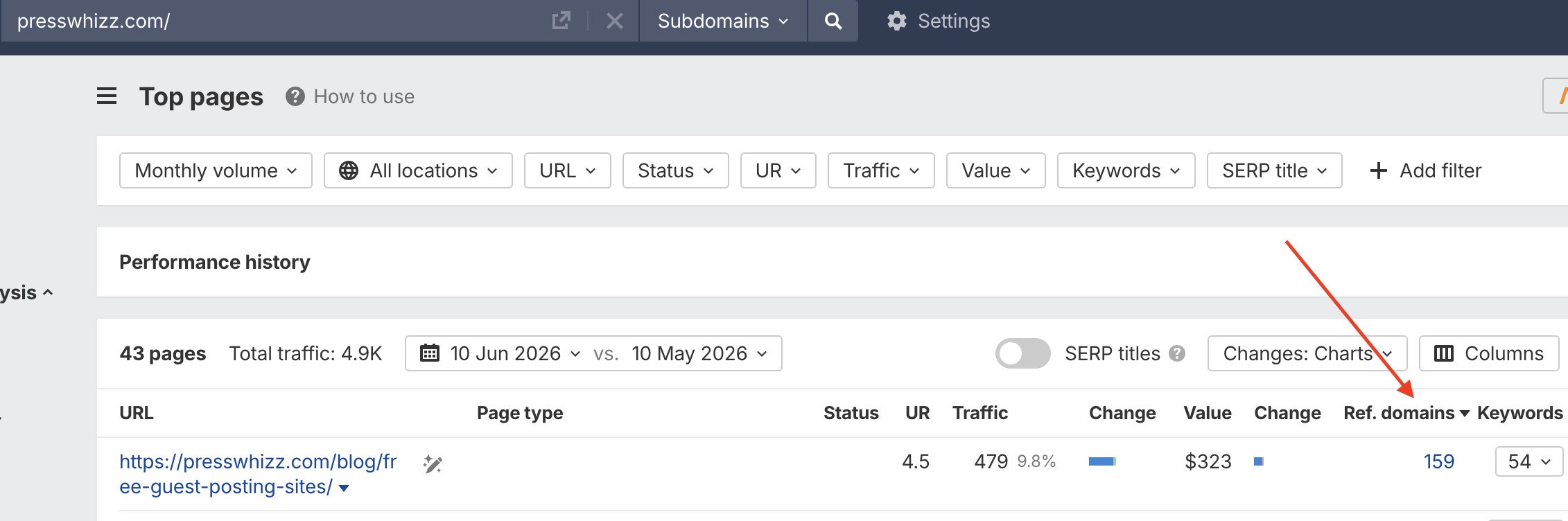
Identify those first. If you don’t have them, that’s fine. Look at your competitors, see which of their posts drive the most referring domains for them, and improve upon what they’re doing.
Home Page vs. Inner Page Distribution
Determining the percentage of links that go to your home page vs. inner pages is one of the easiest and highest leverage plays in all of SEO link building.
Let me explain why…
Your home page is typically the strongest page on the site from an internal linking perspective.
It sits at the top of the architecture and passes authority throughout the website via navigation links, category pages, and internal content links. So, if you build high quality links to your home page, your other pages will naturally lift without you having to build links to those particular pages.
But you can’t spam it. You need a natural distribution.
What I’m trying to say is your backlink profile should look like a natural mix of mostly home page links mixed with some inner page links.
Let me show you my trick for doing this quickly:
- Open Site Explorer and enter your domain
- Next, click Backlinks and select Best by Links
- Switch the view to Referring Domains
- Export the report
Now you’ll want to repeat that process for 2-3 competitors.
And, since it’s the 21st century and not prehistory, there’s 0 chance we’re doing this manually. Take your spreadsheet, download it as a CSV, and pop it into AI with this prompt:
I am going to provide an Ahrefs “Best by Links” export for my site and several competitors.
Analyze home page vs inner page backlink distribution.
For each site, identify:
- Total referring domains
- Referring domains pointing to the home page
- Referring domains pointing to inner pages
- Home page vs inner page percentage split
- Whether the backlink profile appears home page-heavy, deep-page-heavy, or balanced
- Which important commercial/category pages appear under-supported
- Whether any inner pages look overbuilt
- What this suggests for our next 90 days of link building
Return the output in this format:
Site:
Home page RD %:
Inner Page RD %:
Key Finding:
Risk:
Recommended Action:
Then provide a final summary comparing our site against competitors and recommend whether we should prioritize home page links, inner page links, or a mixed strategy.
Anchor Text Ratio
Anchor text ratio is the breakdown of the different anchor text types pointing to your site. You’re looking at the overall mix of branded, generic, naked URL, partial match, and exact match anchor text that make up your backlink profile.
Please heed my advice here. Do NOT skip this. Anchor text helps search engines understand what the linked page is about and which keywords it should rank for.
The problem is that black hat SEOs (but definitely not me…) found out they could easily manipulate this, so Google has spent years building systems to detect manipulation.
So, what’s the best anchor text ratio? Look up your competitors and see what their ratio is, then emulate that.
Just take the spreadsheet you have with your competitor’s backlink data, pop it into AI, and ask it to visualize the ratio for you in a graph and break it down by the different types of anchors.
You’ll get something that looks like this:
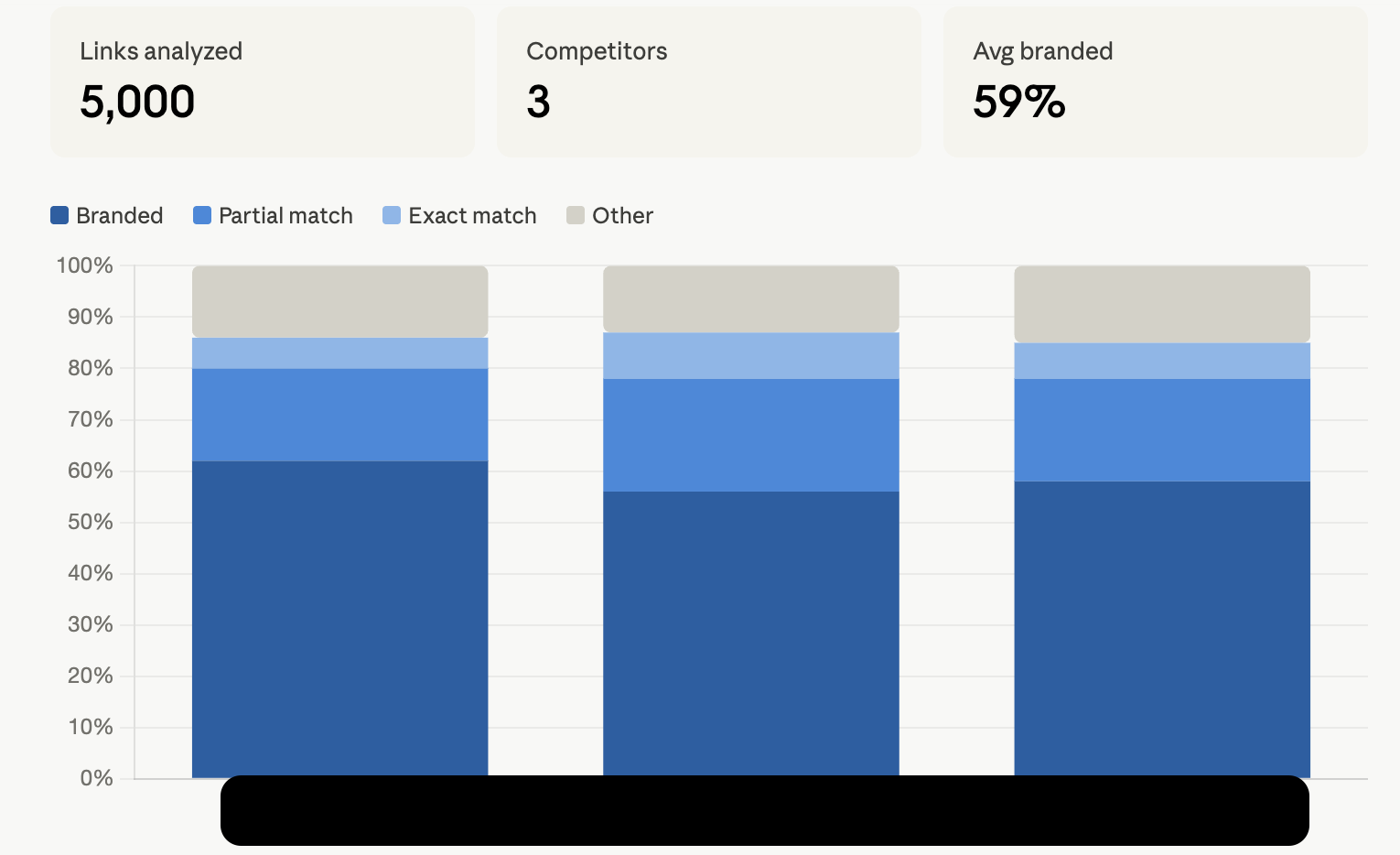
It’s not fancy, but you can now see the ideal ratio for your niche based on the top 3 ranking competitors. It’s mostly branded anchors with a heavy dose of partial match (a variation of the keyword you’re targeting).
Check Internal Links
Last up, use a tool like Screaming Frog to perform an internal link audit. You want to look for things like:
- Broken links
- Crawl depth
- Pages with too few internal links or total orphan pages
- Redirects that go to dead ends
When I’m auditing a new client’s site, I always make an internal link report with information like this. Here’s what it typically looks like:
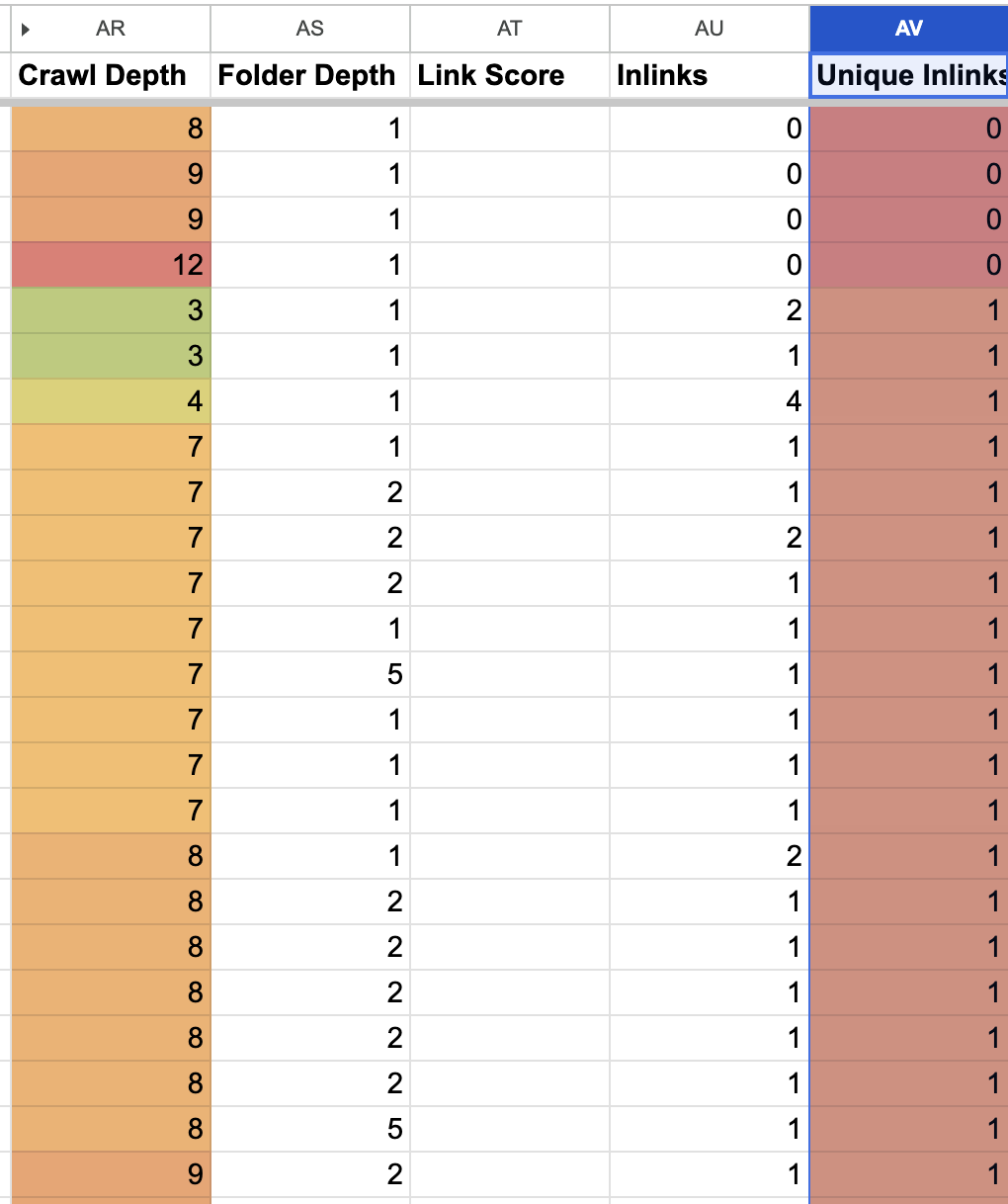
Here you can see this website has a bunch of pages with few or 0 internal links as well as tons of pages that are 7+ clicks away from the home page. Those are juicy pieces of low hanging fruit that could bring an instant SEO boost.
Step 2) Build Your Foundational Links
Now that you’ve got the initial audit out of the way, it’s time to start building your foundational links. Foundational links are your initial, low-risk backlinks that establish who you are, what you do, where you are, and why you should be trusted.
Common examples of foundational (or “pillow”) links are social media profiles, local citations, and review website links.
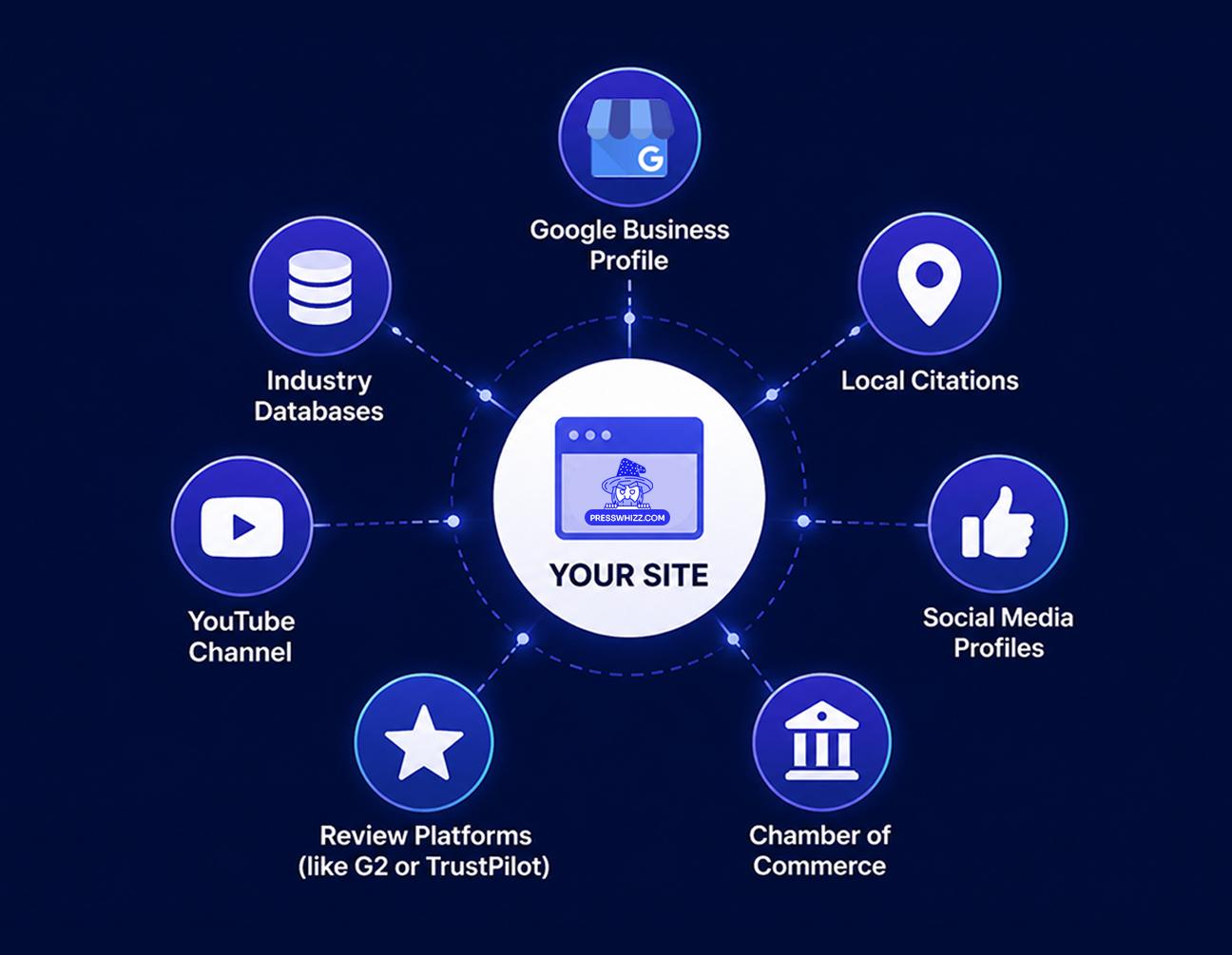
Here are the most important foundational links you need to build. Make sure all of these are checked off before proceeding:
Core Business Profiles
- Google Business Profile
- Bing Places
- Apple Business Connect
- Industry directories
Social Profiles
- X
- YouTube
Company Databases
- Crunchbase
- Niche relevant industry databases
- Professional associations
Local & Industry Citations
- Industry directories
- Trade associations
- Chamber of Commerce
- Niche-specific listings
Trust & Entity Sources
- Wikidata (where appropriate)
- Review platforms
- Supplier directories
- Partner listings
Step 3) Create Your Link Building Strategy
Now that you’ve got your audit ready and your foundational links in place, you can move on to the real fun: Planning.
Let’s create a link building strategy…
Set Your Link Building Goals and Budget
Setting realistic and clear link building goals, then estimating a budget based on those goals is priority #1 when building your link acquisition strategy.
Most SEOs do this the other way around. They approach a link building agency by saying something like “our budget is $2,000. Can we buy links?”.
I’m sorry, but it just doesn’t work that way. What if the SERPs require 50 referring domains just to rank? What if you need digital PR to match your competitors? What if you need to belong to multiple industry associations?
You need to set your goals, look at the data, and then set a budget.
And don’t do any of those silly “build 100 backlinks” goals. Instead, tie them to a business outcome, like:
- We’re going to increase rankings for (target page)
- We want to close the RD gap by 30
- We want to increase organic traffic by 10%
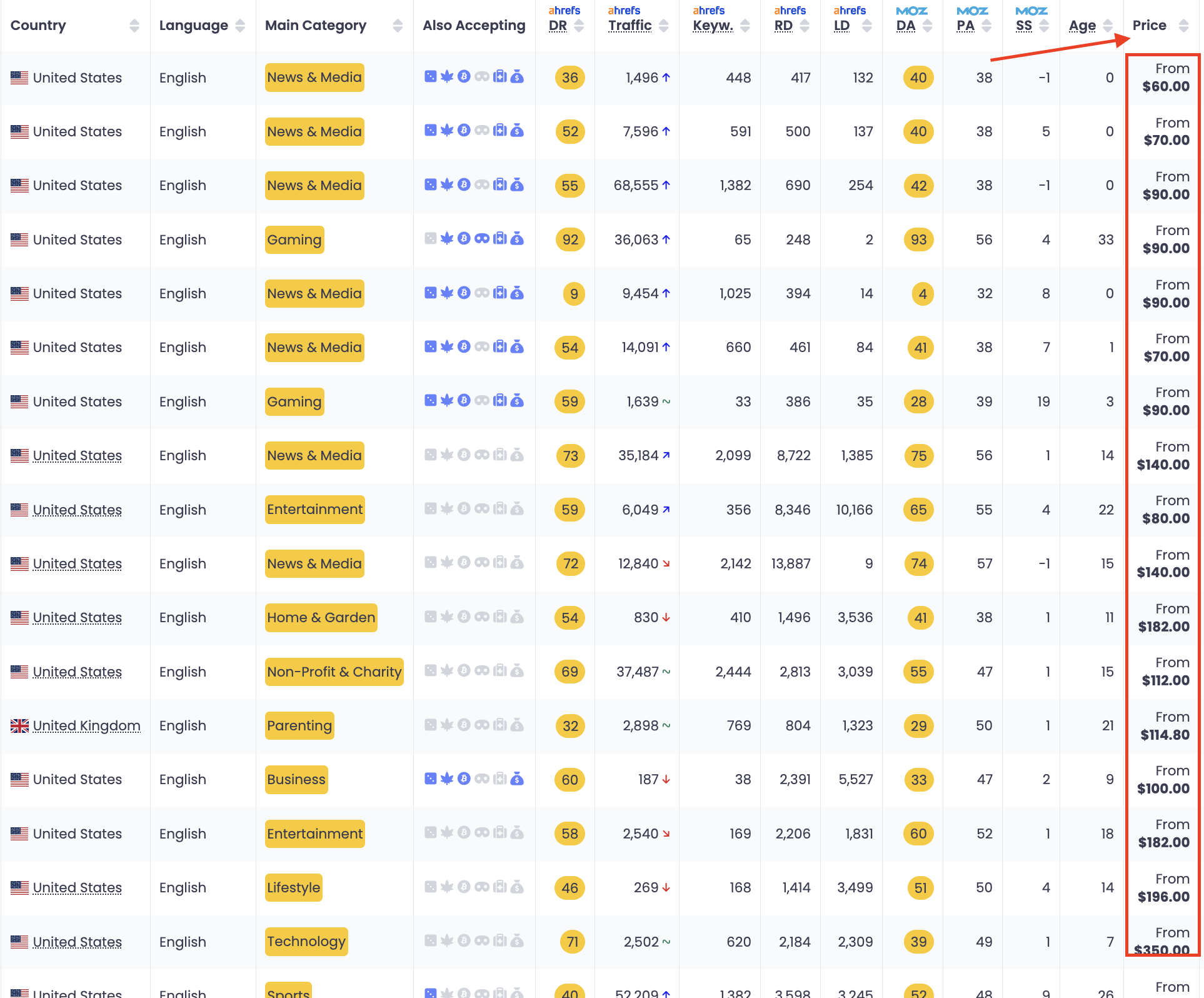
Once you have your goals, look at the data and see how many links you need, then do some research on PressWhizz to see how much it will cost.
Our marketplace has prices clearly listed on the right hand side:
Segment Your List
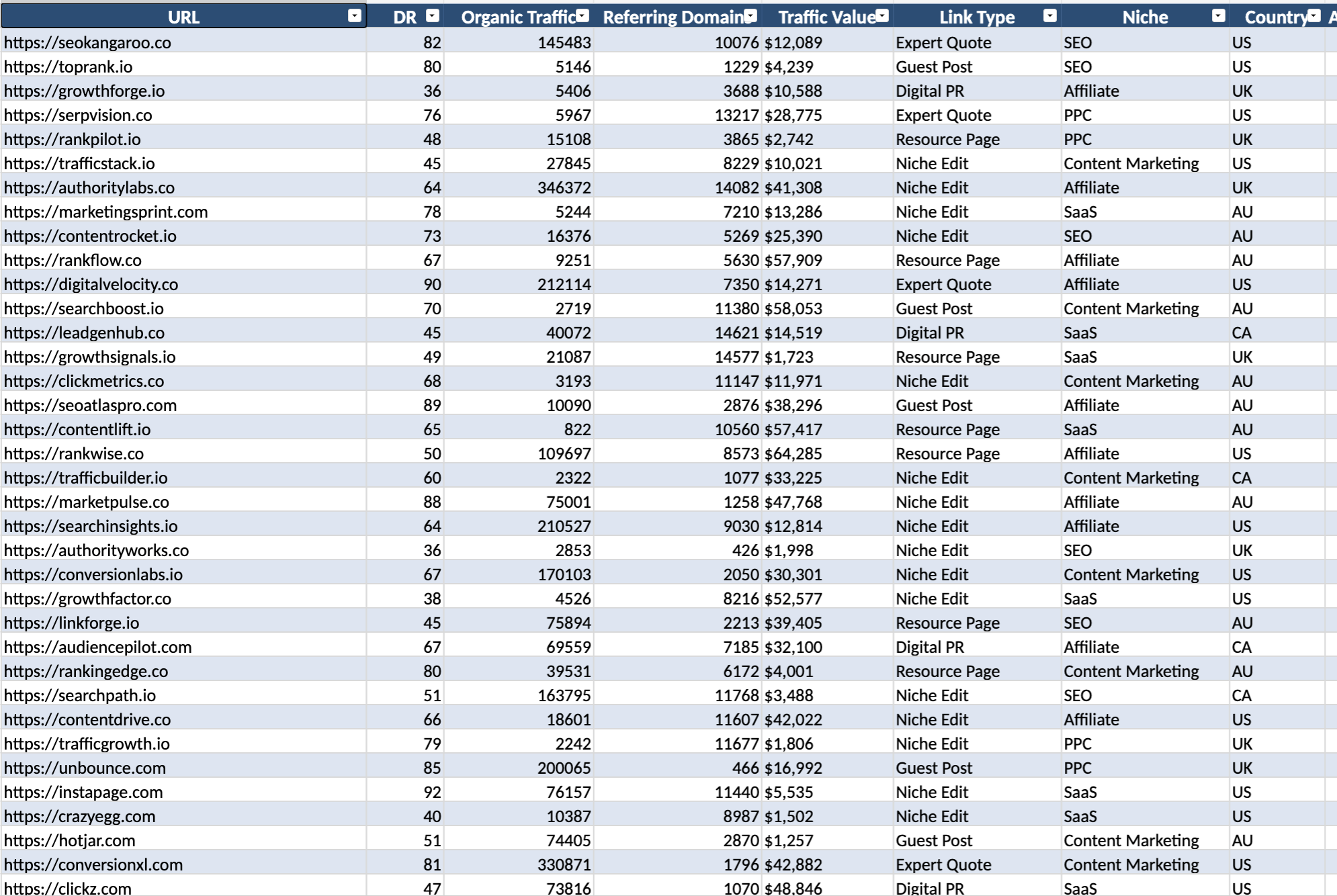
Now we’re going to prioritize the list of link opportunities you’ve pulled together from your competitor analysis. You’ve got the list, right? If not, go back and get your list.
Here’s what mine looks like:
Why are we segmenting this link prospects list?
Because segmenting your list lets you sort prospects by value so you hit the high-probability, high-impact targets first and spend your budget where it returns the most links.
As the CMO of a link building marketplace, I’ve seen it firsthand. Link building is a volume, scale, and efficiency game now more than ever. Whoever acquires the most relevant, high quality links for the lowest price wins.
I recommend you segment based on likelihood of acquisition and overall SEO impact.
This is where AI comes in, and using AI like ChatGPT for segmentation is one of my favorite AI link building techniques.
Drop your full prospect list into a spreadsheet, then give it this prompt:
I am going to provide a spreadsheet containing potential link prospects.
Your task is to analyze each website and determine both its SEO value and likelihood of acquisition.
Think like an experienced link builder, not a spreadsheet analyst. Focus on identifying the opportunities most likely to drive rankings while remaining realistically obtainable.
For each website, evaluate the following:
1. Likelihood of Acquisition
Estimate how likely it is that we could acquire a link from this website.
- High = accepts guest posts, niche edits, resource submissions, directory listings, partnerships, expert contributions, or outreach
- Medium = requires relationship building, stronger outreach, or a more tailored pitch
- Low = editorially controlled, difficult to access, requires PR, or unlikely to link
2. SEO Value
Estimate the potential SEO value of acquiring a link from this website.
Consider:
- Topical relevance
- Organic visibility
- Trust and authority
- Audience overlap
- Link placement potential
- Editorial standards
Classify as:
- High
- Medium
- Low
3. Competitor Validation
Determine whether this website already links to competitors.
Classify as:
- High = links to 2 or more direct competitors
- Medium = links to 1 competitor or several adjacent businesses
- Low = no evidence of linking to competitors
Competitor validation is an important signal because websites that already link to competing businesses are often the easiest and most realistic opportunities to replicate.
4. Opportunity Type
Identify the most likely acquisition method.
Choose one:
- Guest Post
- Niche Edit
- Resource Page
- Digital PR
- Link Exchange
- Directory / Citation
- Partnership
- HARO / Expert Quote
- Sponsorship
- Unknown
5. Audience Overlap
Estimate how closely the website’s audience matches ours.
Classify as:
- High
- Medium
- Low
6. Topical Relevance
Estimate how closely the website aligns with our industry.
Classify as:
- High
- Medium
- Low
7. Recommended Action
Provide the most appropriate next step.
Examples:
- Build Immediately
- Add To Outreach List
- Investigate Further
- Long-Term Target
- Ignore
Prioritization Rules
Prioritize:
- Topical relevance over DR
- Audience overlap over vanity metrics
- Competitor validation over raw authority
- Realistic acquisition opportunities over theoretical authority
Do not rely solely on DR or traffic when making recommendations.
A highly relevant site linking to multiple competitors should often be prioritized above a higher-authority site with no audience overlap.
Output Format
Return the results as a table:
URL | Likelihood of Acquisition | SEO Value | Competitor Validation | Opportunity Type | Audience Overlap | Topical Relevance | Recommended Action | Reasoning
Then create a second table showing:
| Priority Tier | Definition |
|---|---|
| Tier 1 | High SEO Value + High Acquisition Likelihood + High Competitor Validation |
| Tier 2 | High SEO Value but harder to acquire |
| Tier 3 | Easy acquisitions with moderate SEO value |
| Tier 4 | Low priority or poor fit |
Finally, provide:
- Top 20 prospects worth pursuing immediately
- Key patterns across the prospect list
- Any competitor link opportunities that appear repeatedly
Further Reading: If you aren’t sure what a link exchange is, read our guide on link exchanges.
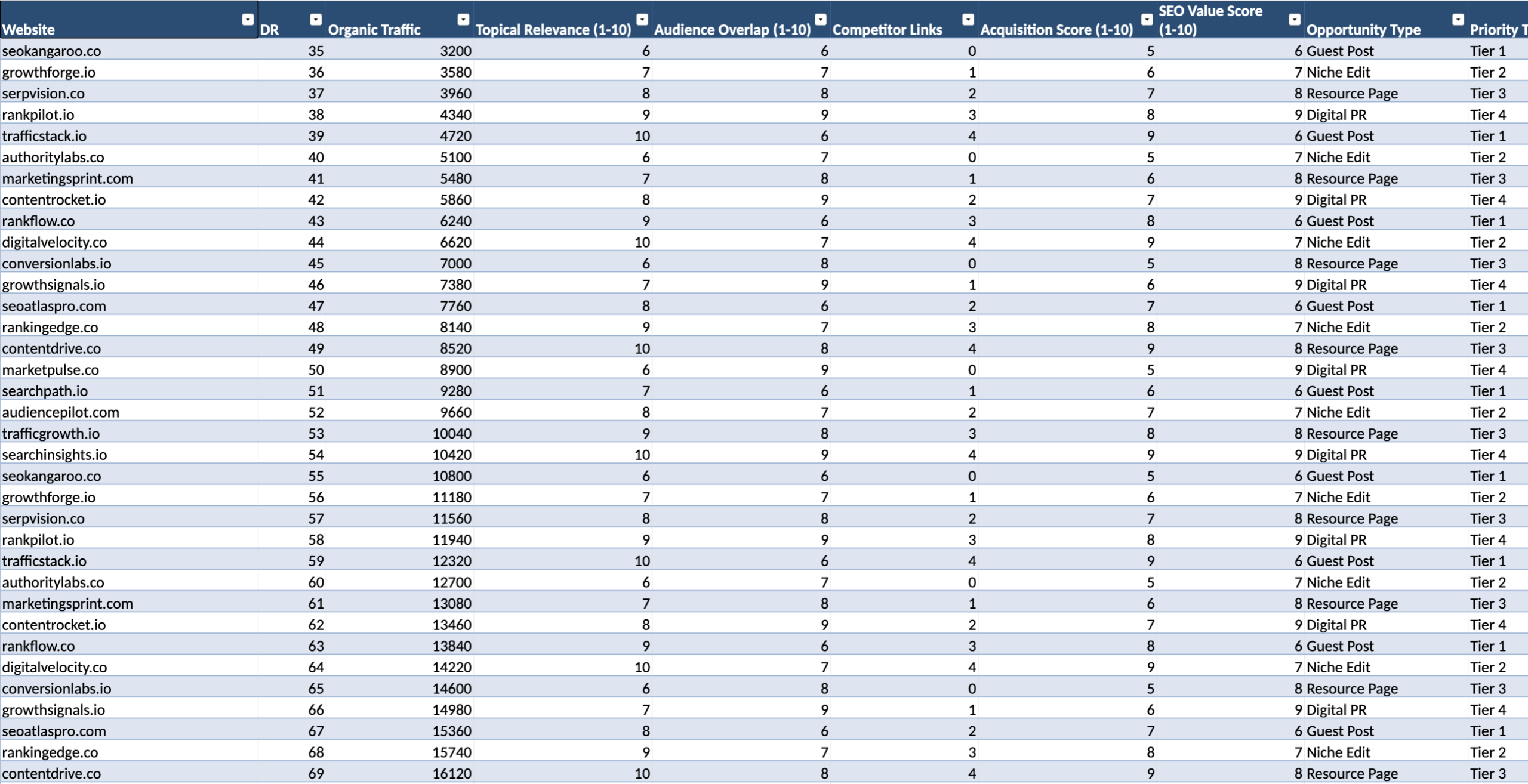
After running this exact prompt on my list, I’ve got this insanely valuable sheet that shows me my top priorities at a glance:
Check Website Quality
I just briefly want to touch on validating website quality for your high priority link prospects before moving on.
Links from strong, legitimate sites pass more link equity. That’s a fact. And they can send higher quality referral traffic your way, which also boosts your SEO.
I’m just adding this section so you don’t waste a ton of time and money on a link just for it to turn out to be a low quality PBN or link farm (though high quality PBNs are still good).
Open the URLs of your top tier sites and check:
- Content quality
- Web design
- The team behind the site
- Typical business signals
- Anchor text strategy.
Just ask yourself some basic questions like “does this website look professional or does it look like a PBN” or “does this look like a site that Google will penalize or algorithmically suppress in the coming months?”.
Identify quick wins
One of my favorite things to do when starting a new link building campaign is to identify the quick wins first. These are links you can usually build fairly quickly, with relatively low effort, and without needing a huge budget or months of outreach.
There are a few ways you can build links quickly:
- Buy Guest Posts: Look for websites that clearly accept guest posts without requiring outreach. They aren’t hard to find.
- Press Releases: It’s not 2012 anymore, but press releases are still valuable when done properly. You can usually pay a few hundred bucks to get a few PR pieces published, and that will at the very least reinforce your entity with Google.
- Broken Link Building: Broken link building, also known as link reclamation, is when you find broken links on other sites and contact the site owners asking them to link to you instead.
- Unlinked Brand Mentions: The easiest form of link building there is (without money changing hands…which we never do…wink wink). This occurs when a site mentions you or your brand, but doesn’t link to you. Contact them and ask to be linked to. Again, more on this below.
Determine How Many Links You Need
One of the most common questions I get asked is, “How many links do I need?”
I wish I could say there was a magic number, but there’s not. The honest answer is that it depends (like every other question in SEO).
The number of links required to rank depends entirely on your competitors, the nature of the SERPs, and the quality of the links you’re building.
For example, a local plumber might only need a handful of relevant links to compete, while a SaaS company or affiliate site could need hundreds. Again, it depends. So here’s what I recommend: Instead of guessing, let the SERPs tell you how many links you need.
All you have to do is analyze the backlink profiles of the pages already ranking for your target keywords. Then, you can estimate the level of authority needed and build a realistic link acquisition plan.
Here’s how to estimate how many links you need:
Step 1: Identify the top 3-5 competitors currently ranking for that keyword.
Step 2: Review how many referring domains point to each competing page.
Step 3: Review how many referring domains point to each competitor’s home page and root domain.
Step 4: Compare the quality, relevance, and authority of their backlinks against your own.
Step 5: Calculate the gap between your backlink profile and the average competitor.
Step 6: Ignore obvious spam and focus on the links that are genuinely contributing to rankings.
Step 7: Use the gap to create a realistic link acquisition target, timeline, and budget.
Build Your Links in Tiers
Tiered link building is one of my favorite advanced SEO tactics because it allows you to get more value out of the links you’ve already built. It also protects your main site by placing a buffer in between it and other links you’ve acquired.
The tiered link building system is pretty simple. You just build backlinks to your backlinks. Instead of pointing all of your backlinks at your site, you strengthen the authority, trust, and relevance of your existing links by building links to those links instead (that’s a lot of linking…).
I do it on my own sites, and it works:
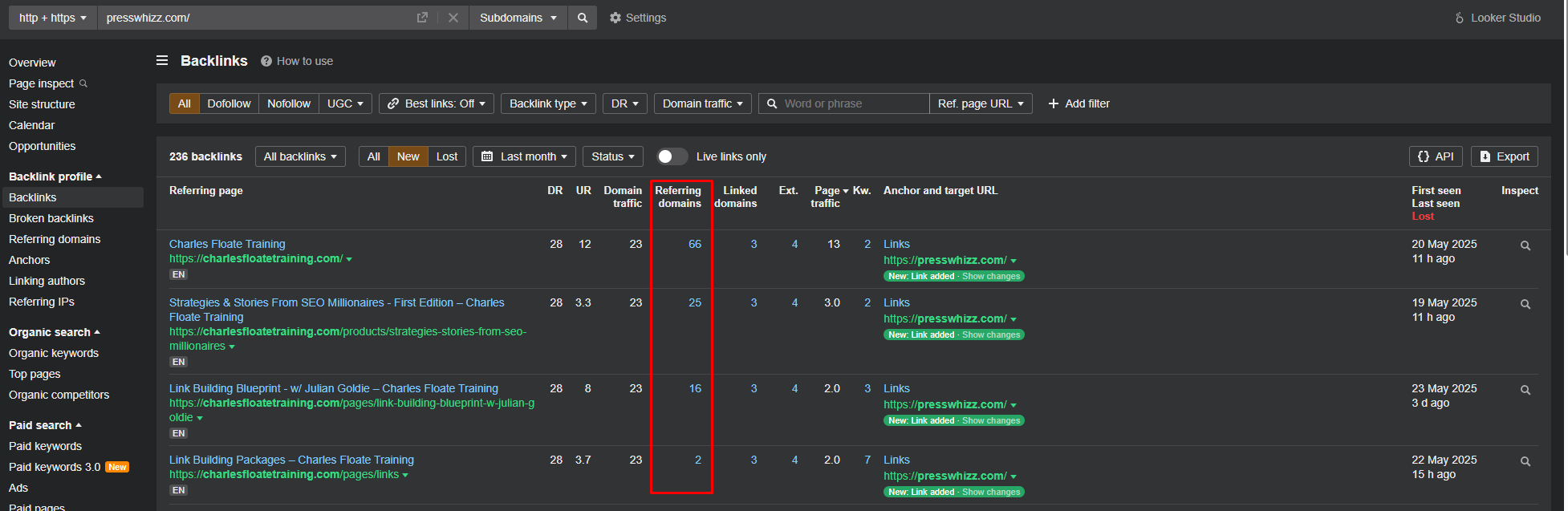
Say you publish a guest post on Site A (a tier 1 link) that links to your site. With the tiered link building strategy, you then build lower quality links (tier 2 links) to Site A. That “powers up” your tier 1 link and sends even more link equity to your main site. Pretty cool, huh?
Here are the different link tiers in more detail:
Tier 1 Links (Money Site Links)
These are the links that point directly to your website, such as:
- Guest posts
- Niche edits
- Digital PR placements
- Resource page links
- Editorial mentions
Tier 2 Links (Link Reinforcement)
These links point to your tier 1 placements and reinforce their strength:
- Web 2.0 articles
- Contextual blog posts
- Reddit mentions
- Forum discussions
- Additional niche edits
Tier 3 Links (Amplification Layer)
These are lower level links but they do amplify the strength of your tier 2 links, which power up your tier 1 links. Feel the power! Some examples of tier 3 links include:
- Social syndication
- Supporting citations
- Lower-cost contextual links
- Indexing links
- Scaled link placements
Step 4) Choose the Right Link Types
In this section, I’m going to cover the different types of links in detail, along with when to use them and the main value that they bring to your link building campaigns. I urge you to read this section in full and take my advice here.
Understanding how each link type fits into your overall strategy will help you spend money more efficiently, avoid common mistakes, and build a backlink profile that’s much harder for competitors to replicate.
Guest posts
Guest posts are the bread and butter of link building and probably the first tactic most SEOs think of when they start building links.
The reason for that is pretty simple: They work.
What’s not to like about guest posts?
You can choose the website, content, and anchor text. And you can point the link exactly where you want it to go. You’re in total control. They’re also one of the easiest ways to build relevant authority at scale without relying on journalists, outreach (if you buy them), or luck.
If you want to see a good example, here’s one…
If you were in the online marketing world in the early 2010s, you probably remember Jon Morrow’s famous guest post that went viral and skyrocketed his blogging business, “How to Quit Your Job, Move to Paradise, And Get Paid to Change the World”:

Best for: Building scalable, relevant authority.
Niche Edits
Niche edits, sometimes called link insertions, are one of my favorite link types when you need a quick ranking boost.
Instead of creating a brand new article, you place a link into content that’s already published, indexed, and often ranking in Google (which often means it has organic traffic and referring domains). And when a page already is ranking for keywords, has traffic, and may even have its own referring domains, it passes more link equity to your site right away.
Unlike guest posts, niche edits deliver authority, relevance, and ranking improvements without waiting for a new page to gain traction.
Best for: Quickly acquiring authority from existing pages that already have search engine rankings, traffic, and backlinks.
Digital PR
Digital PR is when you earn links from news sites, major media publications, journalists, and industry outlets, either as a paid placement or when you created something newsworthy that they wrote about (also known as earned media). It’s a white hat link building strategy that Google loves.
Here’s an example of a digital PR link on NPR.org talking about Turkish hair transplant clinics:
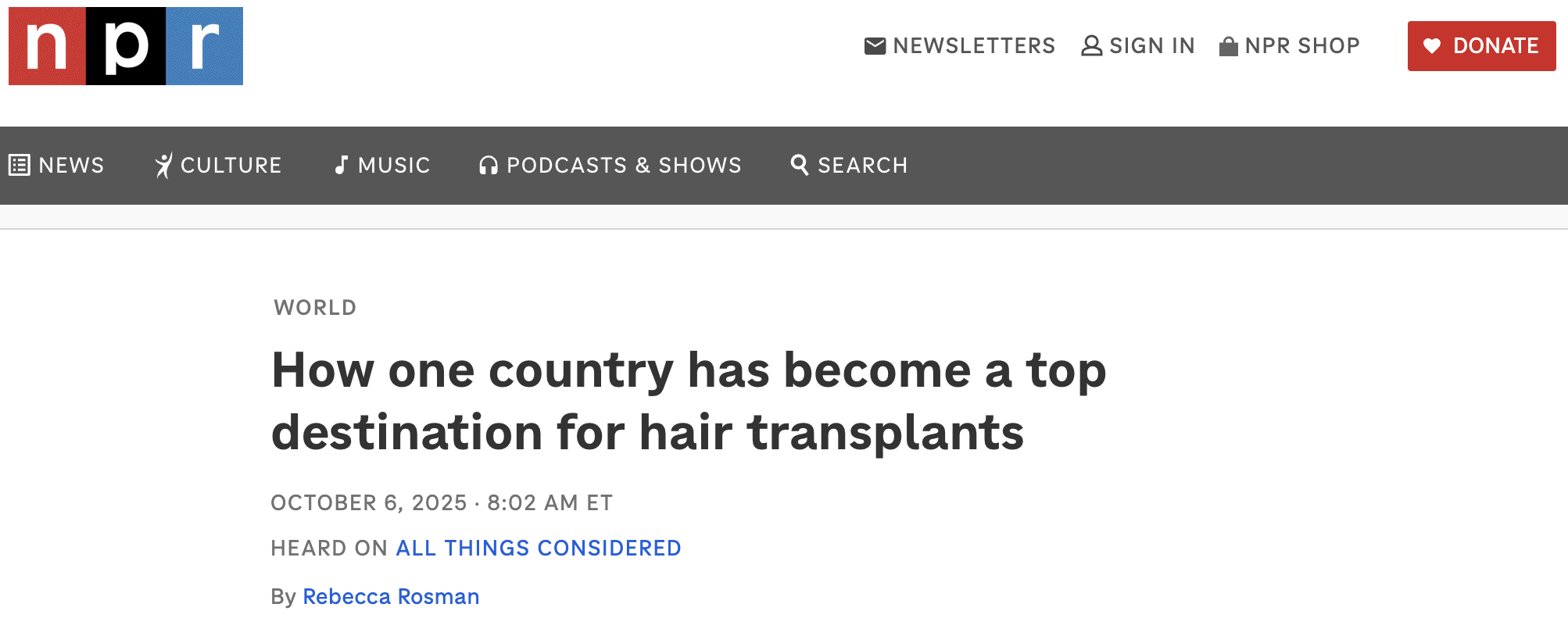
Is it an interesting story? Yes. But is it also a paid placement by a high end clinic? Yes.
This piece links to a Turkish clinic right at the top of the article:
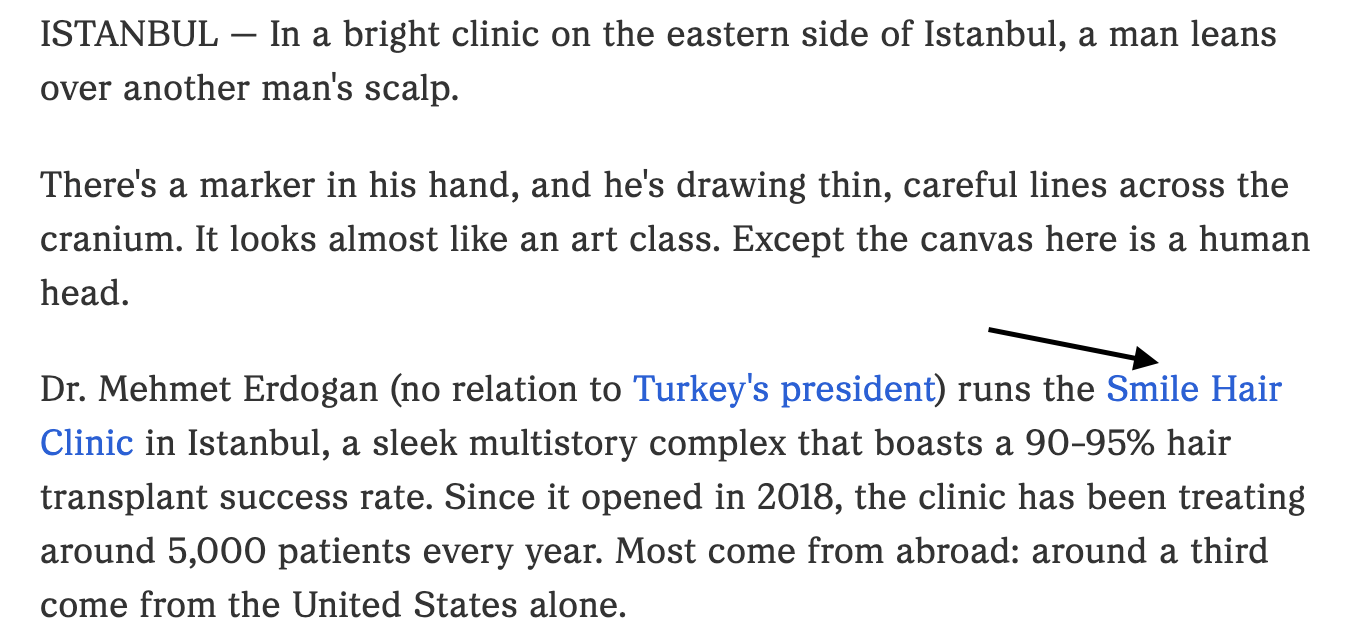
This is SEO driven digital PR in its purest form.
Digital PR links are editorial links, and they’re the best type of link you can get in the SEO world. That’s why everyone is fighting over Forbes and Healthline links these days.
Best for: Building trust, authority, and entity signals through high-authority editorial links that are difficult for competitors to replicate.
Linkable Assets
We covered linkable assets earlier in this guide, so by this point you should have already identified any assets your business owns that have the potential to attract links naturally.
In case you missed it though, linkable assets are pieces of content that naturally attract backlinks without you needing to do painstaking manual outreach (which we will cover below).
Common examples include:
- Original research and industry studies
- Surveys and proprietary data
- Statistics pages
- Free tools and calculators
- Templates and checklists
- Case studies
- Ultimate guides and reference content
- Infographics
- Industry reports
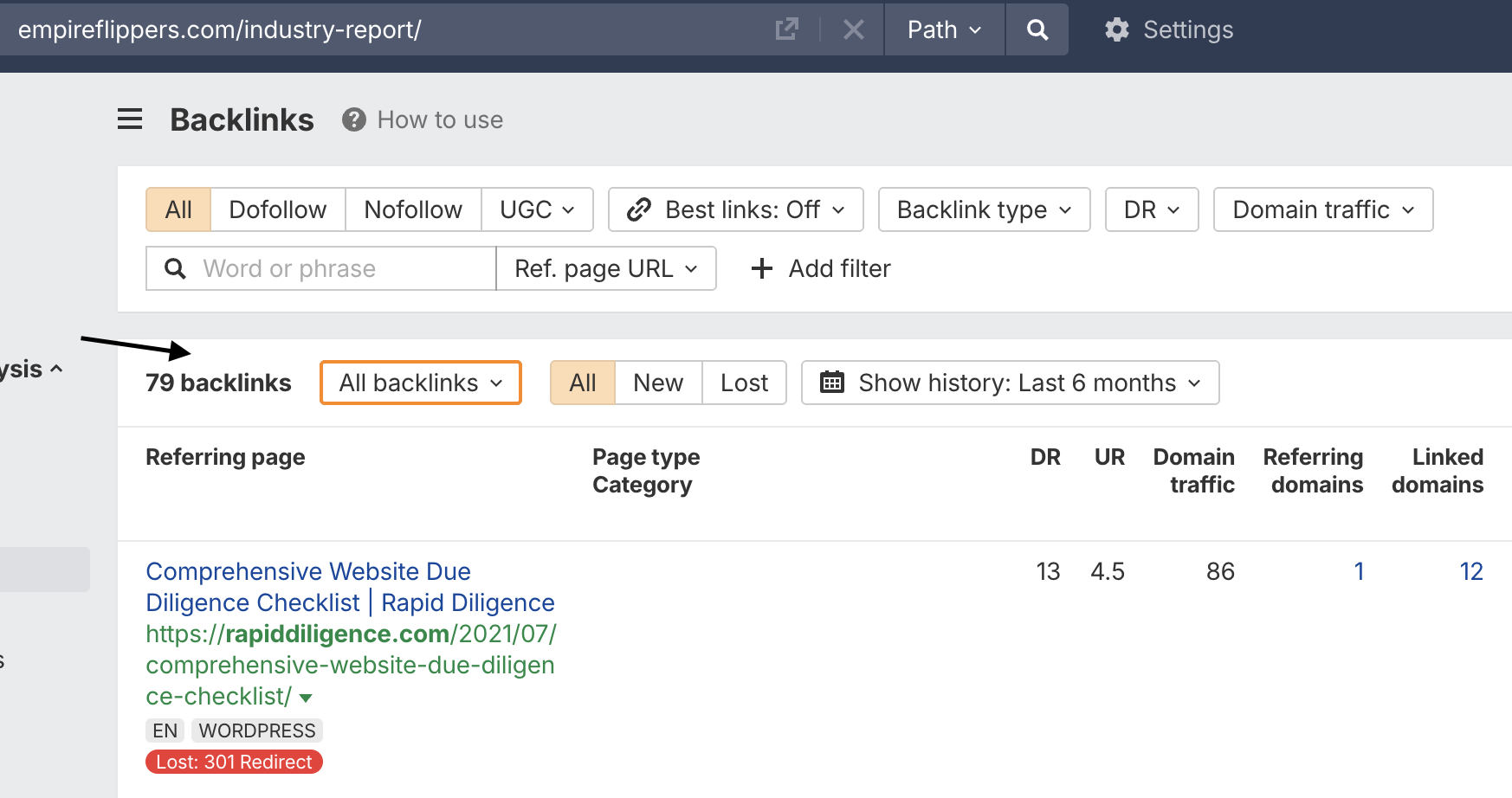
Here’s a great example of another well known linkable asset in the SEO industry: Empire Flippers State of the Industry Report:
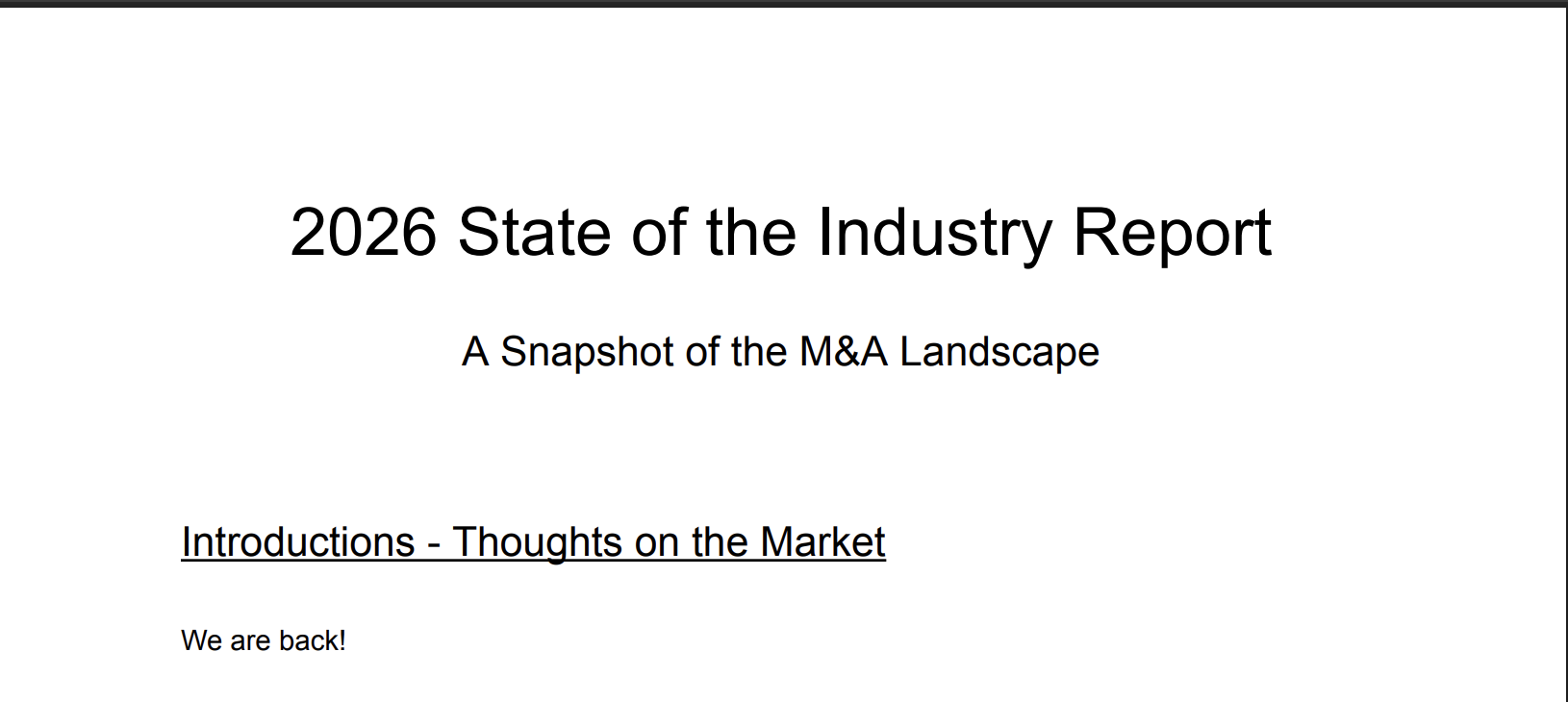
By the way, this report has generated nearly 80 organic backlinks for Empire Flippers!…
Best For: Long-term, brand building links.
HARO
HARO outreach, now run through Connectively, is where you sign up as a source and respond to journalists who are actively looking for expert quotes for their articles. Every SEO lived and breathed HARO link building around 2020. It’s back now with a vengeance.
Here’s how it works…
A reporter posts a query asking for input on a topic, and you send a useful response. If they use it, you land a mention and usually a link in a published piece. It’s basically digital PR except it’s free, and you don’t have to deal with in-house SEO teams or webmasters (who are the absolute worst).
You get an email like this in your inbox on a regular basis with link opportunities:
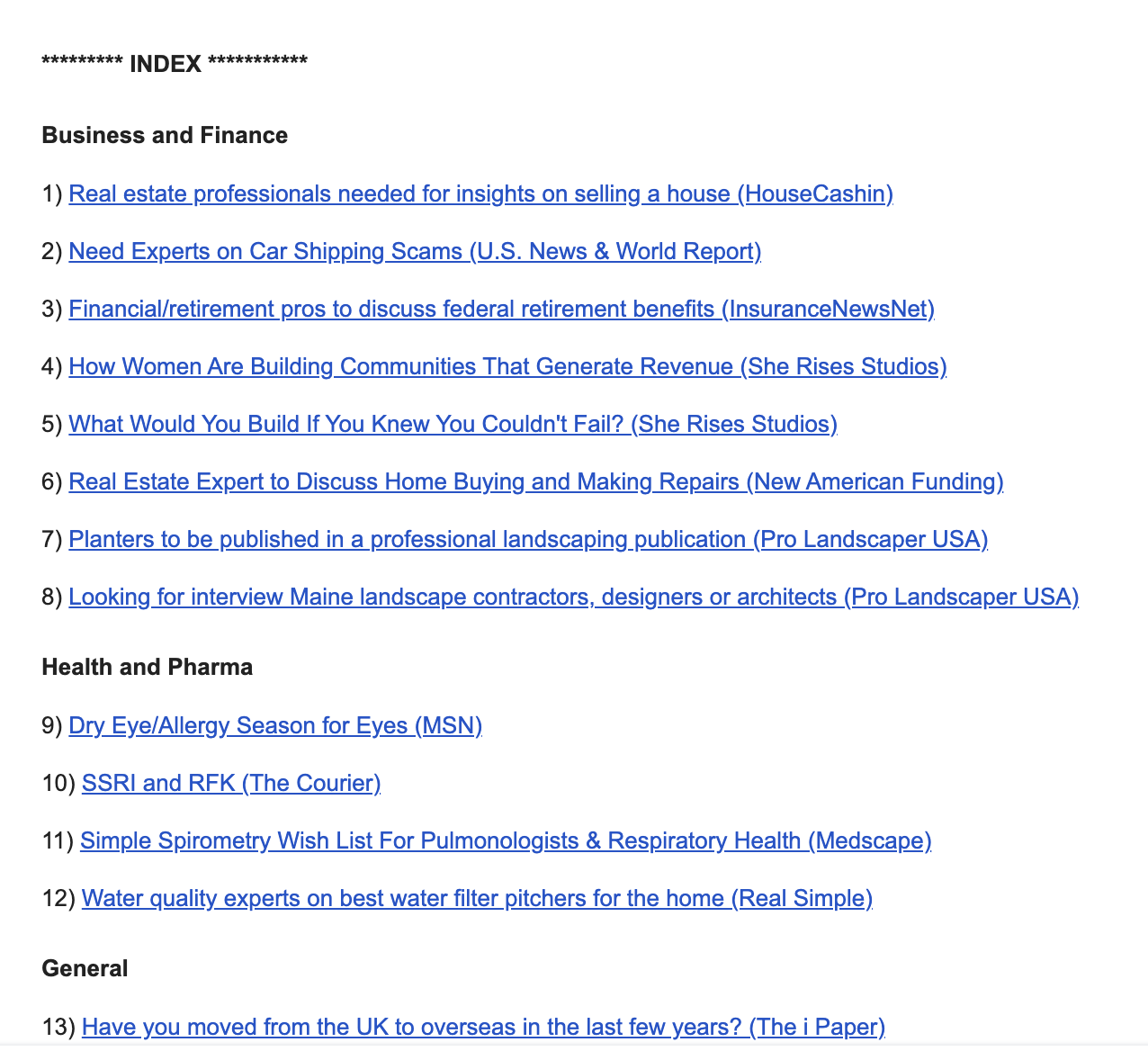
I can’t tell you how many times I’ve landed DR 60+ editorial links from HARO. It’s insane.
And the best part? It’s completely free. You’re trading your expertise for a link instead of paying for placement. The problem is it’s very competitive, so if you want some HARO alternatives, I’ve got an article on it.
Best For: High quality backlinks for free.
Resource Pages
A resource page is a curated list of the best links or resources on a given topic. These are some of the easiest links you’ll ever build, because the page exists for the sole reason of linking out.
Here’s an example of a resource page for cooking:
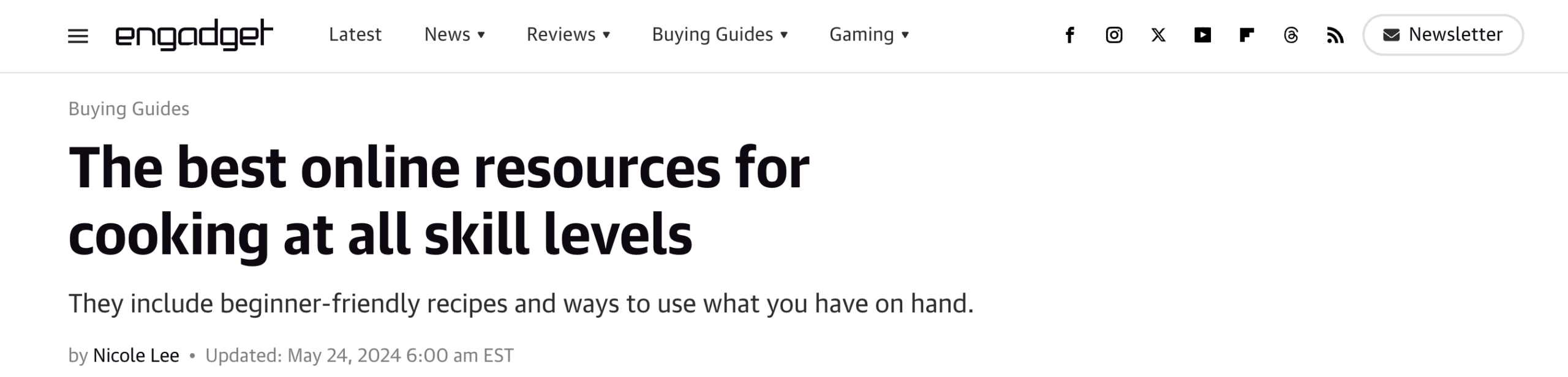
Finding them takes about ten minutes using Google. Run your keyword alongside footprints like “resources,” “useful links,” “recommended tools,” or inurl:resources, then check each page for real organic traffic before you pitch. I’ve landed DR 60+ links this way with relatively little effort.
Best For: I like to clear resource pages out of the way before initiating the meat of a link building campaign.
Unlinked Mentions
Last up are unlinked mentions. Unlinked mentions are when someone mentions you, your company, or someone who works for you, but hasn’t linked to you.
The person writing about you already likes you enough to mention you, so all you’re doing is asking them to make their existing text clickable, which converts way higher than any cold pitch you’ll ever send.
To find unlinked mentions, go to Ahrefs’ Content Explorer, type in your brand name, and choose In Content:

Then click Highlight Unlinked:
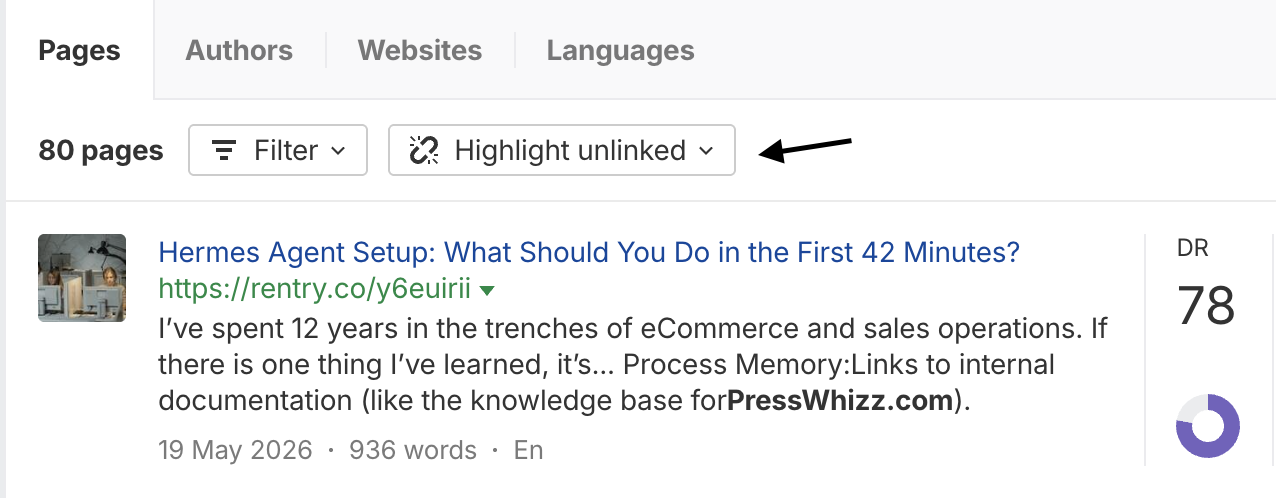
Best For: Building low hanging fruit links, especially when you’re on a budget.
Step 5) Prepare Your Emails
Before we jump into sending emails en masse, we need to tighten a few odds and ends.
It’s worth setting up your email infrastructure properly, because outreach is ultimately a numbers game and none of your targeting matters if your emails never reach the inbox.
If you’ve ever sent 100+ emails only to have your account suspended or all your messages land in spam, now you know why.
The good news is this is easy to set up, and you only have to do it once, so don’t let the acronyms scare you.
Let’s get the easy stuff out of the way first…
Set up SPF, DKIM, and DMARC
Start by adding your SPF, DKIM, and DMARC records to your DNS:
- SPF: This tells email providers which servers are allowed to send mail from your domain.
- DKIM: DKIM adds an encrypted signature that proves your emails weren’t tampered with in transit.
- DMARC: And this one sets the rules for what happens when a message fails those checks.
Together these three records prove that you’re a real sender rather than a spammer.
Warm Up Your Inbox
Gmail and Outlook judge every sender on reputation.
A brand-new account that fires off 200 cold emails on day one looks like a spammer, which is why so many SEOs get throttled or blocked when scaling up their outreach. Warming up is how you scale up without getting whacked by protective algorithms. You ramp volume up slowly and generate real engagement signals (opens, replies, marking as important) that tell providers, “See! Look! I’m not a spammer!”.
Most outreach tools have this built in, but here’s the rough schedule I follow:
- Week 1: 5 to 10 emails per day per inbox.
- Week 2: Ramp to 20 to 30 per day and keep the engagement signals flowing.
- Week 3: Push to 40 to 50 per day and start mixing in a small batch of real outreach.
- Week 4: Hit your sending cap of around 50 to 100 per day and run full campaigns.
A properly warmed domain results in open rates of around 25 to 45%, according to a study on Mailwarm.com entitled Good Cold eMail Open Rates in 2026. Compare that to the 5-20% of an out of the box domain…
See the issue here? Skipping the warm up phase not only reduces your open rates. It lowers the ceiling on how much you can scale.
Set up an Outreach Automation Platform
An outreach platform helps you manage prospects, automate follow-ups, personalize emails, and track replies. This is how the highest performing link builders 2-3x their ROI.
Personally, Pitchbox is my favorite outreach platform because it was built specifically for link building. I can tell that the people behind Pitchbox actually understand outreach campaigns.

They’ve made it so that it’s dead easy to manage prospects, track conversions, and automate personalized outreach at scale.
While we’re on the topic of automation, Pitchbox comes with some next-level automation capabilities that provide the best of both scale and personalization (with less manual labor).
Instead of manually sending every email, you can build automated campaigns that insert details such as the recipient’s name, website, article title, or company name directly into the message.
Step 6) Outreach & Negotiation
I won’t lie to you, outreach and negotiation are my least favorite part of the whole process. Who likes writing emails?
Lucky for me (and you), we have artificial intelligence to do these things for us now. Let me walk you through how to set up some basic automations, reach out, and negotiate like a boss so you land your first links.
Create Email Templates
Once your outreach platform is configured, the next step is creating your outreach templates.
A good outreach email is usually short, personalized, and focused on a single request. Mention something specific about their website, explain why you’re reaching out, and make the next step easy for them.
My advice? Skip the “dear sir/madam” stuff. It’s cringe. And definitely don’t use some cheesy line like “I was having my morning coffee when I just happened to find your contact email buried 200 pages deep on your website”. Nobody falls for that anymore.
The biggest mistake I see people make is trying to sound clever or coming across too friendly. Most website owners receive dozens of outreach emails every week, so you need to be very direct with them rather than flattering.
Not sure where to get started? Copy/paste this template and start testing it:
Hey {{First Name}},
I came across your article on {{Article Topic}} and noticed you mentioned {{Related Topic}}.
I’ve recently put together a resource on {{Topic}} that I think would be a useful addition for your readers.
Would you be open to taking a look?
I’d be happy to negotiate terms with you.
Happy to send it over if interested.
Cheers,
{{Your Name}}
Pro Tip: Create multiple variations of each template and test different subject lines, openings, and calls to action.
Personalize Each Email
We touched on this earlier when discussing Pitchbox, but personalization is a major factor in increasing conversion rates. Generic emails don’t cut it anymore.
The good news is that you don’t need to manually write every email from scratch.
Outreach platforms allow you to personalize at scale using variables such as the recipient’s name, website, article title, company name, or recent content they’ve published. Doing this will also help deliverability, because personalized emails look less spammy.
You can take this even further by combining your outreach platform with AI.
I recommend you build something that can scrape information about each prospect, such as their latest blog post, author bio, company description, or recent social media activity, and feed that data into an AI model.
The AI can then generate a personalized opening line, reference a recent article, or explain why your resource is relevant to their audience. This information can be pushed back into Pitchbox as a custom field and automatically inserted into your outreach templates at scale.
Reach Out to the Right People
I just want to touch on this briefly here…
Before launching a campaign, spend some time identifying who actually controls content and partnerships on the website. That might be the editor, content manager, marketing lead, site owner, or even the founder.
If you can’t find a direct email address, reach out to them on social media instead. These days, you’re just as likely to get a response on LinkedIn, X, or Facebook as you are via email.
I’ve landed plenty of placements simply by reaching out through a different channel when I couldn’t get through via their inbox.
Negotiate Proper Terms
OK, you’ve made it this far. Now it’s time for the hardest part of the entire outreach process: Negotiating terms with whoever is in charge.
People these days know the value of a good link, so don’t expect to get anything for free. And please, for the love of God, don’t forget to iron out important terms like anchor text, dofollow or nofollow links, or link position. I’ve heard nightmare stories of SEOs paying for links only to get some footer link with a naked URL rather than a contextual dofollow link.
Don’t be that guy, please.
Here are the terms you need to focus on when negotiating link placements:
- Anchor text
- Price
- Link placement
- Target URL
- Dofollow vs. nofollow
- Exclusivity (can competitors buy links on the same page?)
- Content requirements
- How long the link will stay live
Step 7) Long-Term Management & Assessment
Last up, we’re going to cover some of my favorite backlink management and campaign assessment techniques.
This will ensure you get the best ROI and best results on your campaigns long-term.
Backlink Monitoring
Good backlink management requires you to monitor the health of your backlink profile.
It’s just the reality of SEO: Links get removed, lose visibility, or stop passing value when a page gets deleted or restructured.
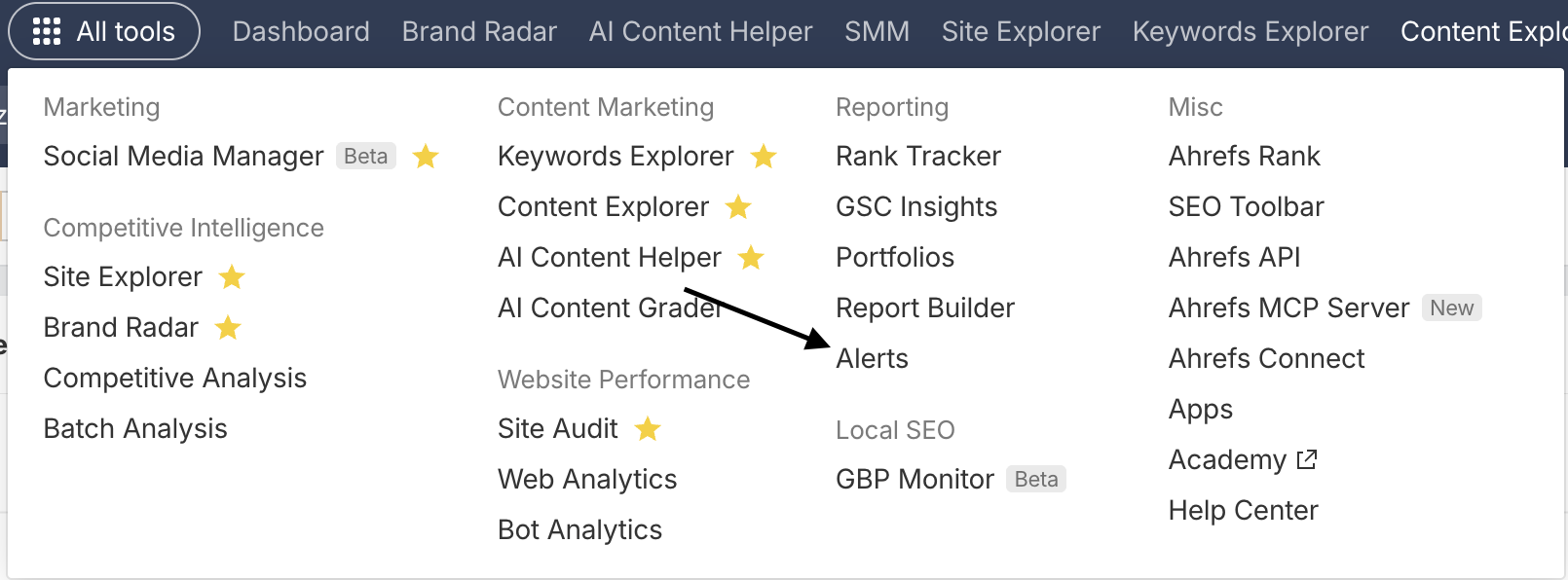
Set up alerts in Ahrefs (I swear I’m not sponsored by them…but I’m open to collaboration!) or your tracking tool of choice to monitor your links.
Go to All Tools -> Alerts from Ahrefs’ home page:
Then, choose New Alert:

Then enter your website and choose which type of alert you want:
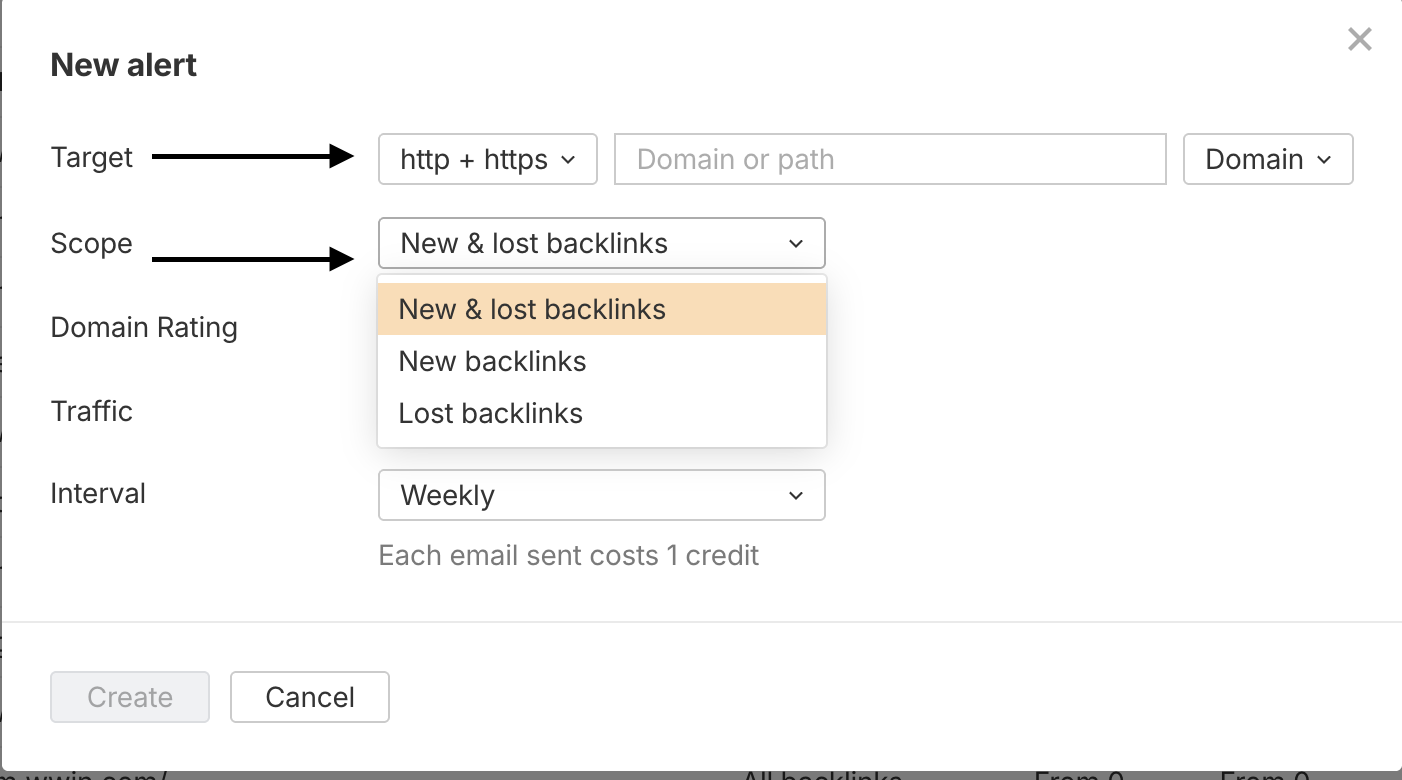
I also recommend you check your backlink profile weekly. Here’s what to keep an eye on:
- Live or removed status
- Dofollow vs. nofollow changes
- Anchor text edits
- Lost or broken links
- Page indexation status
- Content updates affecting link placement
- Link position within the article
- Competitor links added to the same page
The sad reality of our industry is that links decay over time. You need to be on top of things.
Google Alerts
I don’t manually check for new mentions and links, and neither should you.
Set up Google Alerts for your brand name, your key product names, and your top people, and you’ll get an email the second someone mentions you anywhere on the web.
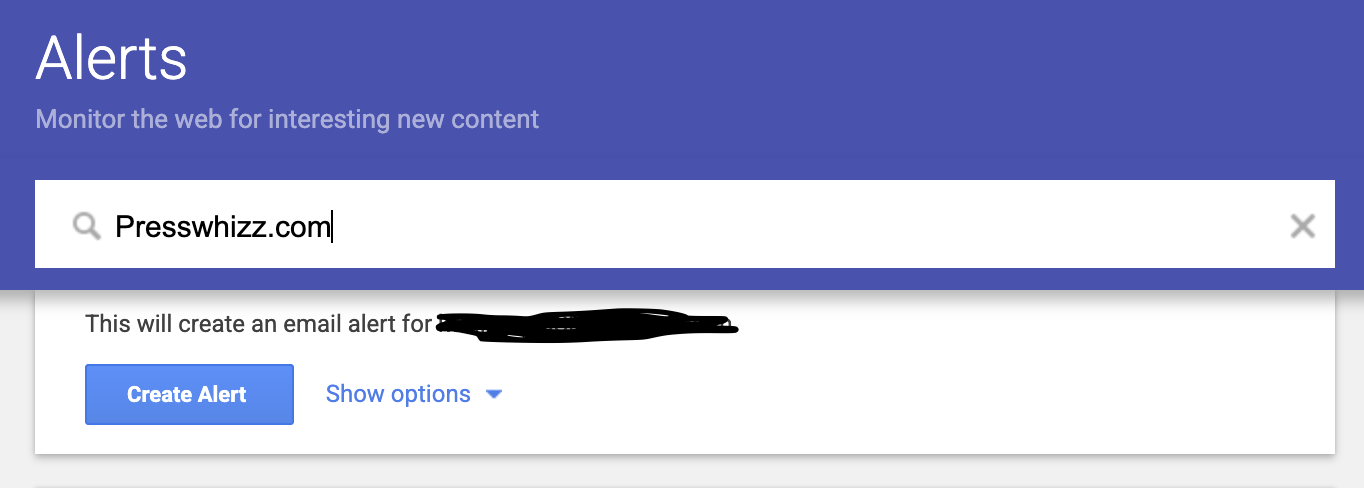
Then, I’d layer in Ahrefs Alerts to watch three things for you: New and lost backlinks to your site, fresh brand mentions, and your competitors’ new links as they land.
I’ve caught dozens of unlinked mentions this way that I turned into easy links.
Measure Link Campaign Performance
Now it’s time to look at the only thing that actually matters: Results.
Everything else (links, rankings, etc.) are all just proxies. What I want to see are real results.
Did we hit our goals? Are we closing the gaps on competitors? Is traffic going up? Have we made any more money?
These are the results I care about most…
Traffic
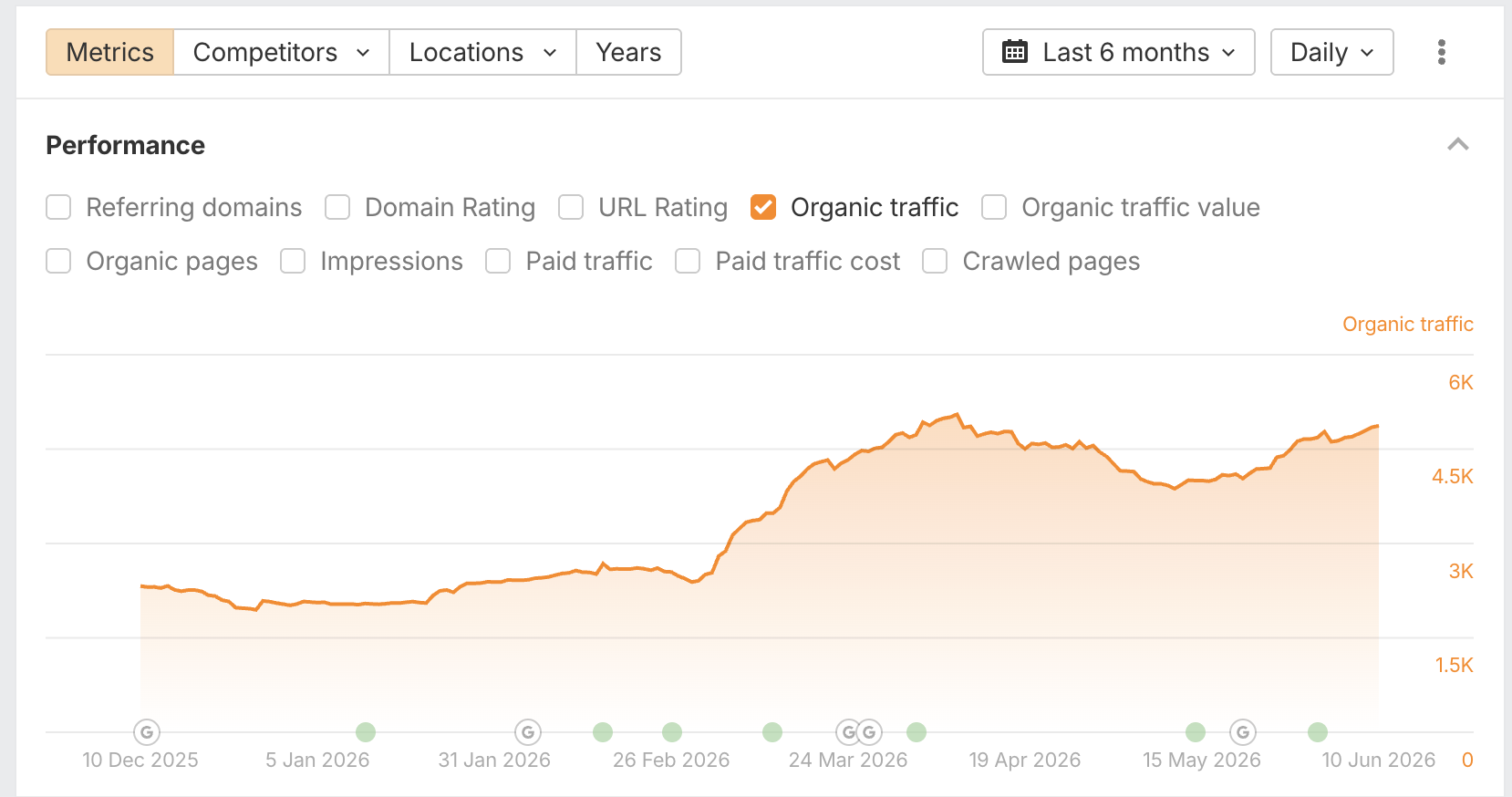
This is simple. Have you gained more traffic, impressions, or clicks since you initiated your campaign? You only need Ahrefs or Google Search Console to see.
Just compare your current traffic to what you had when you began building links.
In Ahrefs, you can set the time frame you want to compare against, and it will show you your traffic graph:
ROI
You need to calculate link ROI so you can better understand which link building activities are actually driving results and where you should allocate budget going forward. I recommend you measure the performance of the specific pages receiving links rather than looking at your website as a whole.
Start by recording the organic traffic, rankings, and conversions for a page before a campaign begins.
Then, compare the new performance against the baseline after you’ve been building links for a few months. If a page was generating 500 organic visitors per month and is now generating 2,000, you can attribute a portion of that growth to your link building efforts. From there, estimate the additional leads, customers, and revenue generated by the page. This provides a much clearer picture of what’s producing the highest return on investment.
Revenue
Driving more organic traffic is great, but is it actually leading to more revenue?
Revenue is the metric that matters. I don’t care about anything else. Are we making more money? If yes, I’m happy. If not, I’m going back to the data and figuring out what’s wrong.
That said, you can’t attribute every increase in revenue purely to link building. Revenue growth is also influenced by factors such as conversion rate optimization, pricing, sales processes, landing page quality, and whether you’re ranking for keywords that attract the right audience in the first place.
Assuming those areas are reasonably dialed in, you should make sure you’re tracking conversions and revenue correctly and checking which pages the money is coming from (and which links you’ve built to those pages).
Repurposing and Refreshing Content
Link building also requires getting more value from the assets you’ve already created.
SEO is a very fluid game. Over time, statistics become outdated, rankings fluctuate, and competitors publish better content. By refreshing and repurposing your best-performing content, you give people a reason to link to it again while increasing the return on all the links you’ve already built.
A few simple examples include:
- Updating statistics, screenshots, and outdated information
- Turning a blog post into an infographic, video, or downloadable resource
- Expanding a popular article with new sections, examples, and original data
Final Thoughts
If you’ve made it this far, you now have all of the knowledge you need to build a high ROI link building campaign that helps you outrank your competition.
SEO, and link building in particular, is not easy anymore. It’s no longer just build links -> rank.
Link building these days is a precision, volume, and scale game. If you don’t target the right links using the right systems, you’re going to be far behind more efficient competitors who’ve been doing this for years and have it down to a science.
I’ll leave you with this: Acquiring high quality links on a regular basis is NOT easy, but with the right knowledge, planning, and execution, you can scale up your link building efforts and take over Google SERPs.
My advice? Take this checklist I’ve given you, build a system to execute, document everything, and find the right people to run it.
That’s how you’ll succeed in SEO in 2026 and beyond.