


If you know me, then you’ll probably be surprised that Charles Floate is writing a guide on white hat link building.
I’m one of the world’s best known black hat SEOs…Google quite literally hates me for making a mockery of their webmaster guidelines for 2 decades. So why am I writing a white hat link building strategies guide?
The truth is that I’m an SEO link builder at heart who will wear any hat he needs to in order to rank his or his client’s site. White hat, black hat, grey hat…whatever it takes.
For example, the website that you’re reading this on right now is 100% white hat. My links have come from press releases, HARO outreach, earned media, stats pages, and other white hat techniques (many of which I’ll cover in this guide).
The only thing I don’t like about white hat anything is how Google blatantly lies to all of us about how link building works. No one who works at Google has any real life experience. They live in an ultra privileged nepo bubble where they’re insulated from the real world.
Me? I’ve actually been ranking sites since I was 12 years old, sometimes under intense scrutiny from Google, my peers, and even government institutions. I know what works, and that’s what I’m going to share with you today.
You’re going to learn how Google really works, which link building strategies are still working in 2026, and the highest ROI techniques you can use to start ranking your sites after reading.
What is White Hat Link Building?
White hat link building is an ethical SEO technique for earning high-quality backlinks via strategies that adhere to Google’s webmaster guidelines. Common white hat tactics include guest posting on reputable sites, broken link building, HARO pitching, and infographics that naturally attract backlinks from high authority domains.
Unlike black hat link building (which focuses on buying backlinks), white hat link building strategies focus on “earning backlinks” by creating valuable content or via manual outreach. The benefits of following Google’s search engine guidelines are allegedly higher-quality links without the risks of black hat link acquisition (aka penalties).
The most common white hat link building tactics are as follows:
- Creating free tools
- Broken link building
- HARO link building
- Creating data studies
- Digital PR
- Link reclamation
Much more on these later. Just remember the TL;DR: “white hat link building earns you links when people ‘magically’ link to you instead of you paying to get links from other websites.”
So, now the question is…does white hat link building work?
In my experience, white hat alone is usually not enough, but it depends on a number of different factors.
From my seventeen plus years in the trenches and surviving every Penguin, Panda, and Helpful Content update Google’s thrown at us, I can tell you white hat alone hasn’t been enough to win for a while (for most websites).
It’s not just me, either.
According to Authority Hacker’s “State of Link Building” survey, 51.6% of SEOs admit to using black hat tactics like link exchanges, and that’s just the ones willing to admit it. Going pure white hat in most niches will not be enough. If you’re building 2-3 links per month while your competitors are building 10-20, you’re going to lose.
Let’s pick any random website in any random niche. How about gardening? This is a site I found on Page 2 for some gardening keywords:
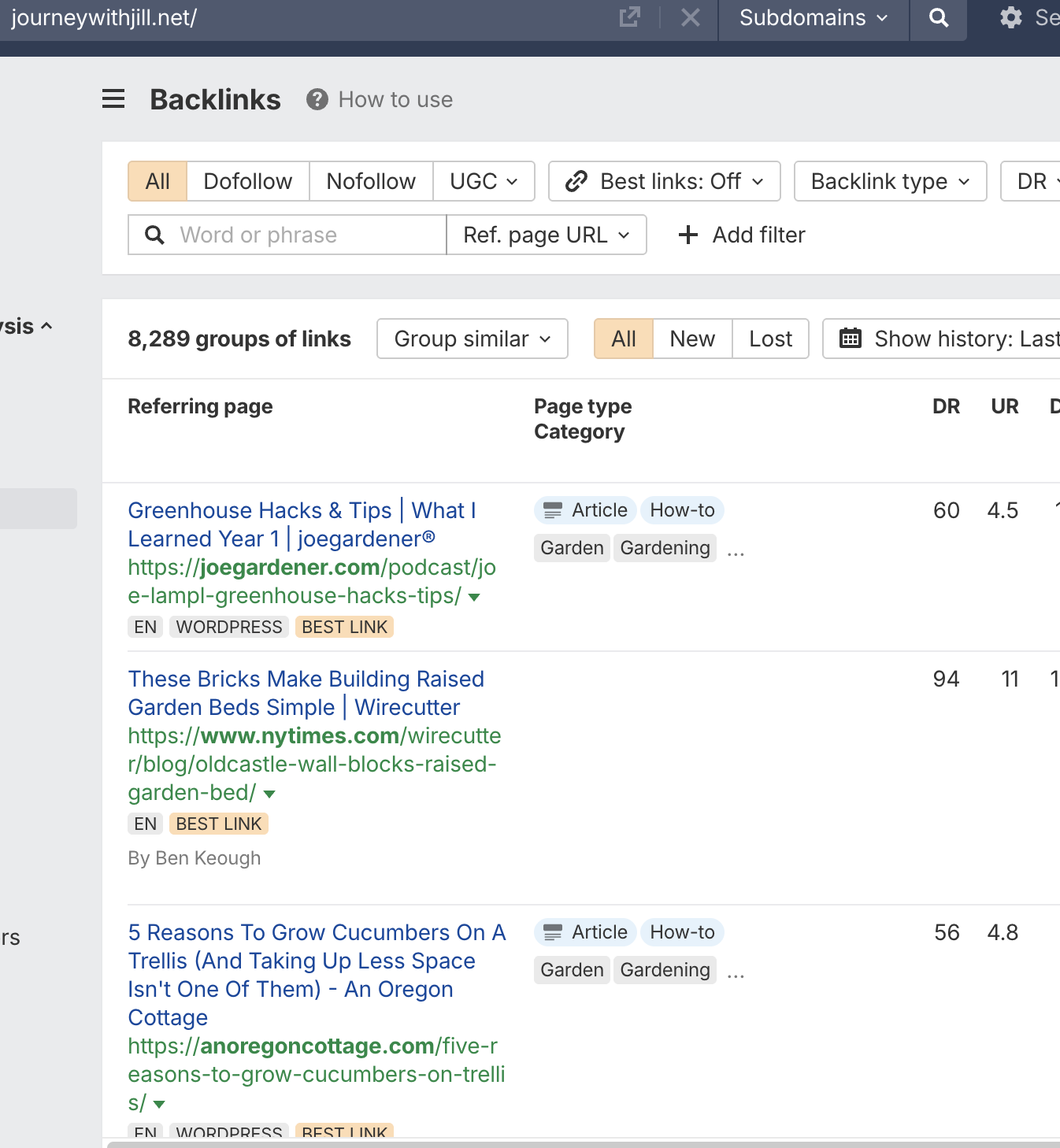
Almost 8,300 links. Do you know how long it would take you to build 8,000+ links using white hat methods? You could plant 5 California Redwoods and watch them grow before that happens.
Now, don’t get me wrong, I’m not hating on white hat. I use white hat techniques all the time, especially when getting .edu links or .gov links. I’ll wear any hat I need to in order to win.
And I’m not here to make you hate Google either (give it a few core updates, and you’ll get there on your own). I’m here to help you rank, and white hat has its place.
Hell, PressWhizz uses a 100% white hat link acquisition strategy and is absolutely crushing it. We’ve gone from 750 referring domains to over 3,000, and organic traffic has 4x’d from 1.5K to 6K visits, all in about 3 months:
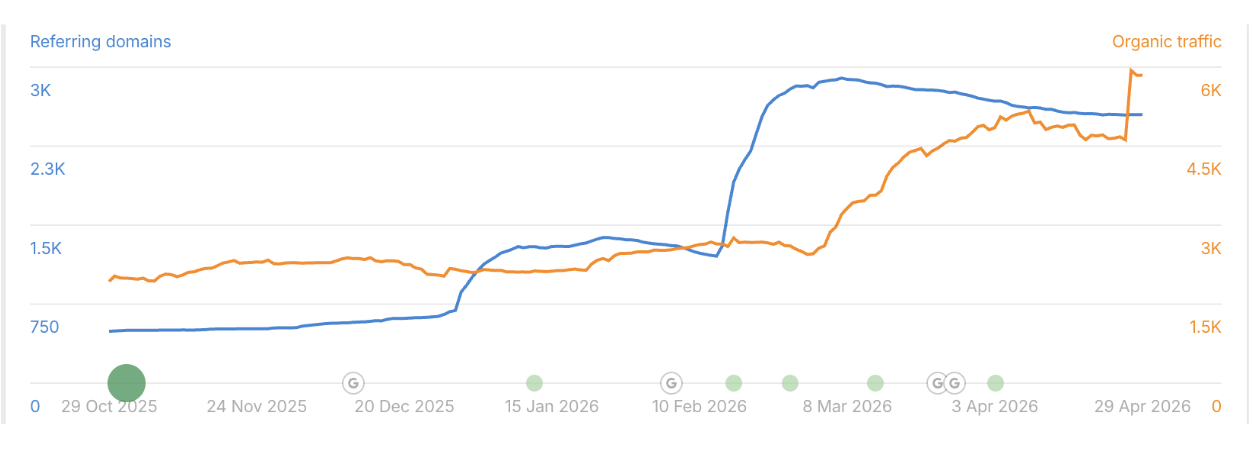
Not trying to brag. I’m showing you this to say that white hat link building is great, but you should ideally be mixing white, black, and grey hats depending on your website, SERPs, and a bunch of other factors.
Let’s move on to some examples of white hat link building.
Examples of White Hat Link Building
Let’s cover some examples of white hat link building before we go deeper into the tactics themselves. I want to show you some examples of ethical link building to give you a clearer idea of how much work it’s going to take.
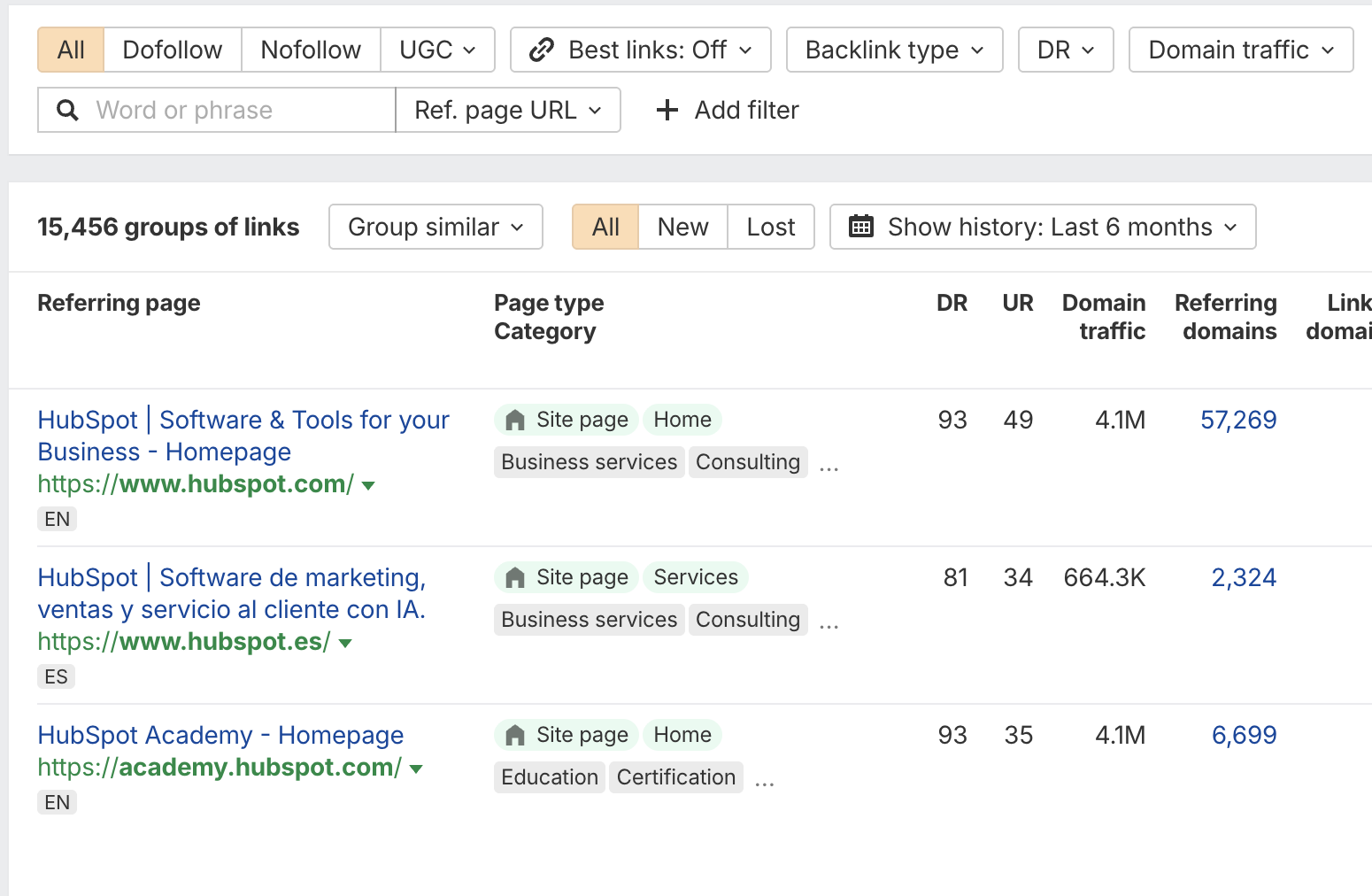
First up is HubSpot’s Website Grader.
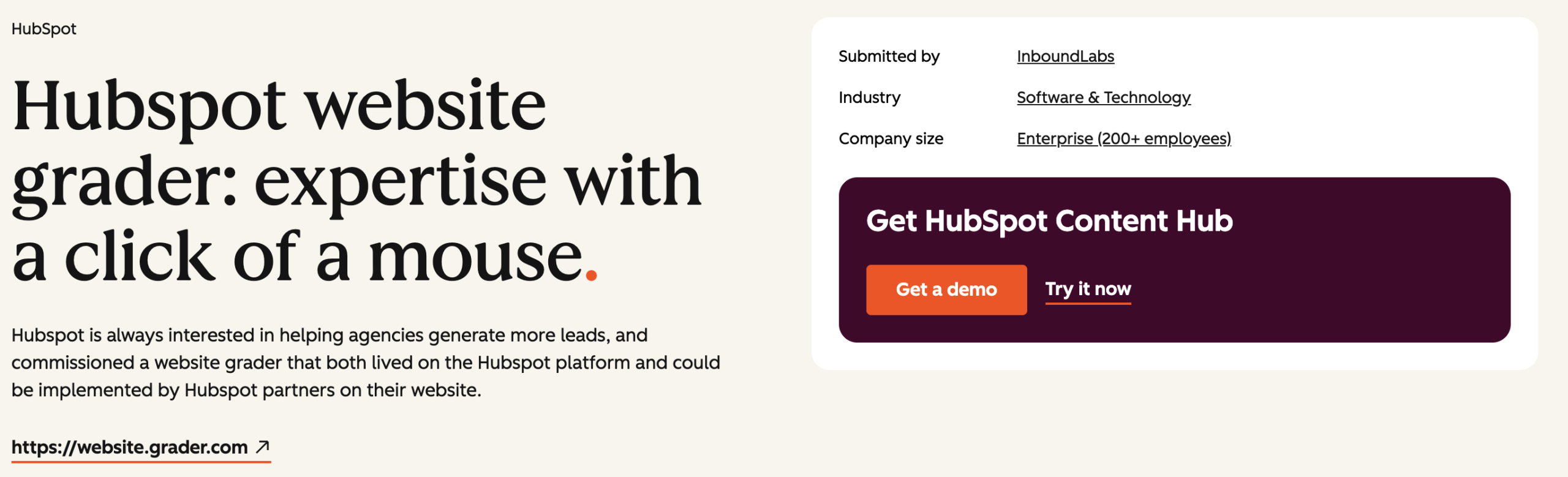
Yeah, I know, HubSpot. Roll your eyes all you want. But it’s been out there grading sites for nearly two decades, and it’s racked up tens of thousands of backlinks in the process.
Their tool spits out a score for your site and gives you some actionable tips for improving it, such as increasing page speed:
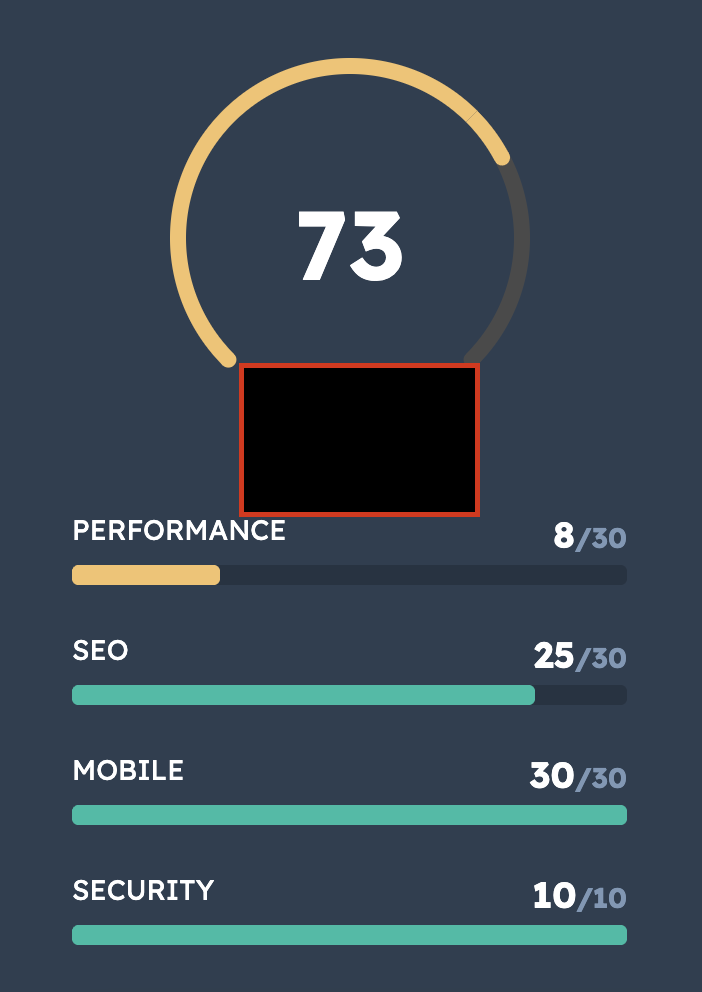
Tons of sites would love to link to a tool like this.
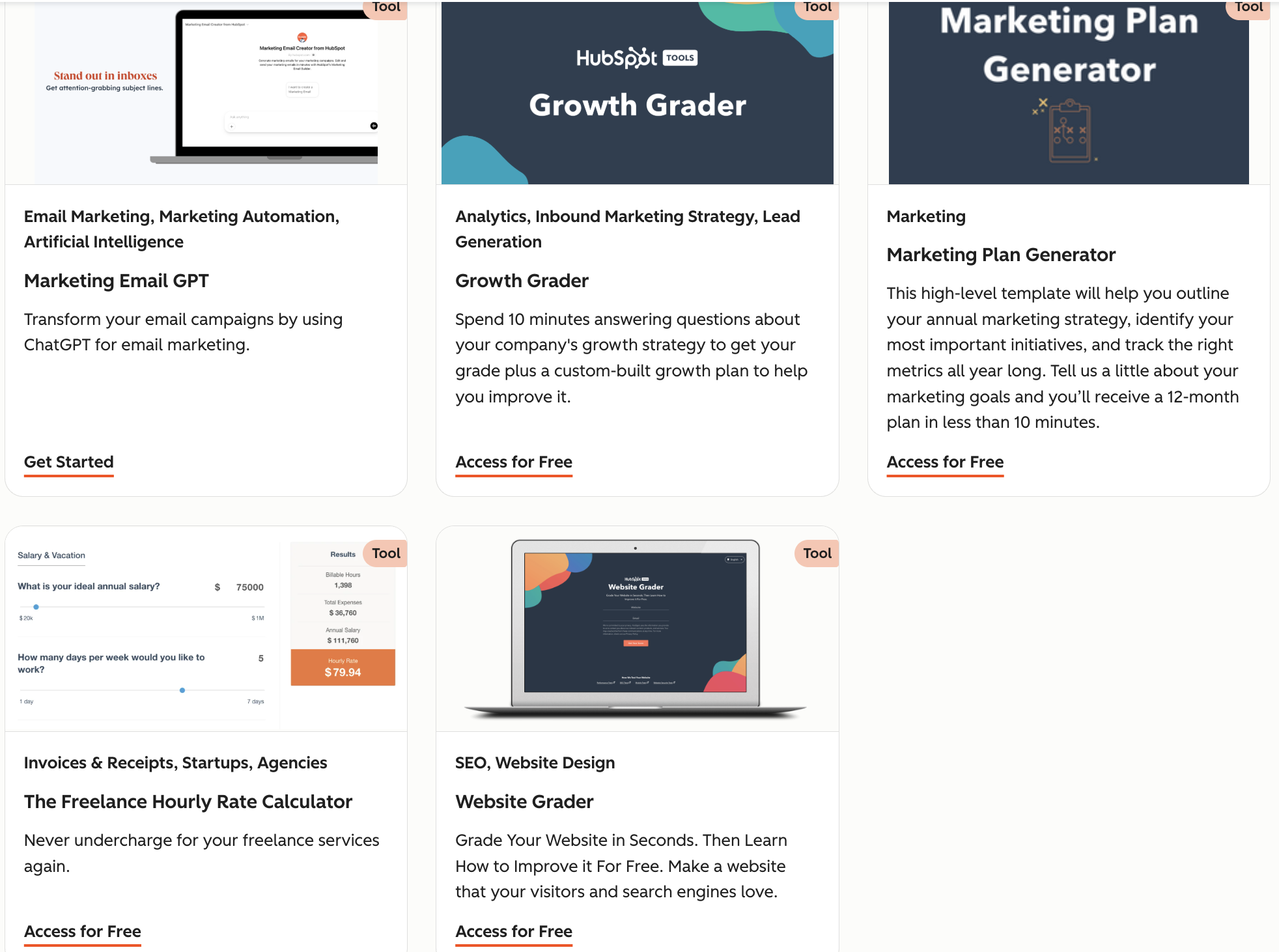
HubSpot has dozens of these free tools:
Another good example of white hat link building is our own link building statistics page here at PressWhizz.
Journalists, bloggers, and SEOs need data to back up their claims, so when someone writes about link building, there’s a good chance they’ll cite a stat from a roundup like ours and link to it.
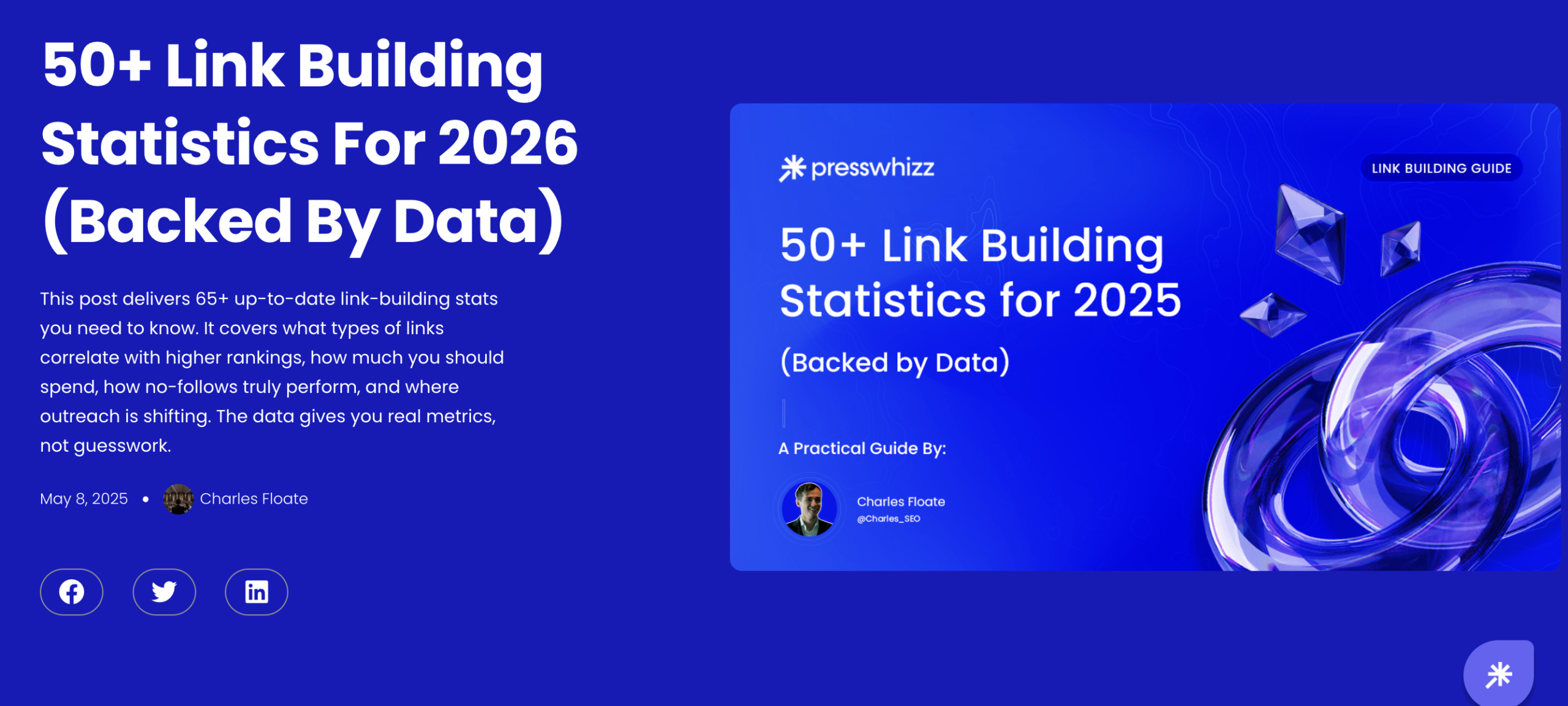
It’s white hat because it’s free, original, and useful. We didn’t pay for a single one of those citations. They came in because the page offers value and journalists want to link to it.
Let’s take a look at one more example.
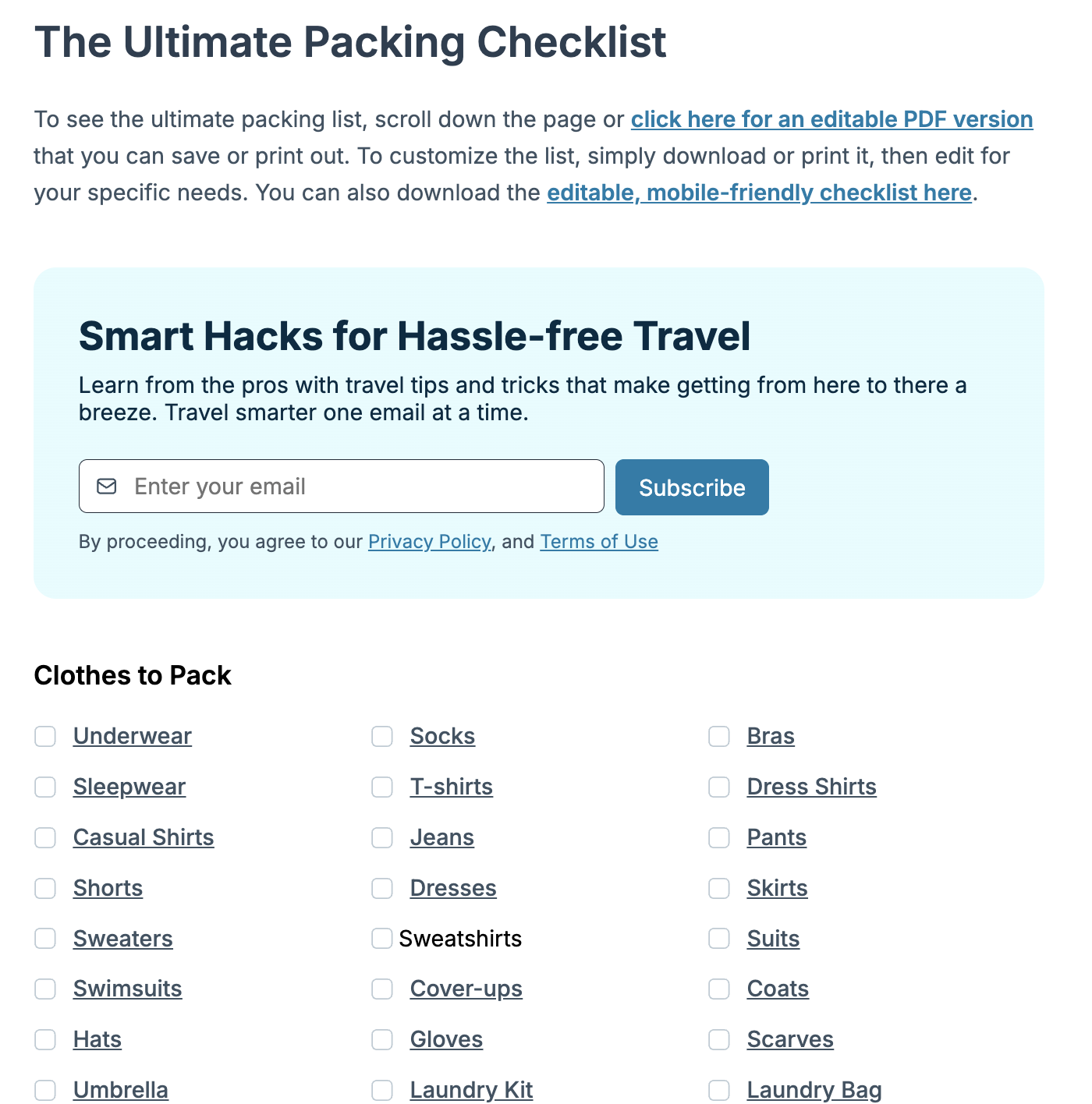
Smarter Travel’s Ultimate Packing List is just a checklist, not much fancier than the one sitting in your notes app right now. But it’s thorough, well-organized, and easy to link to, which is exactly why it’s pulled in over 1,300 backlinks:
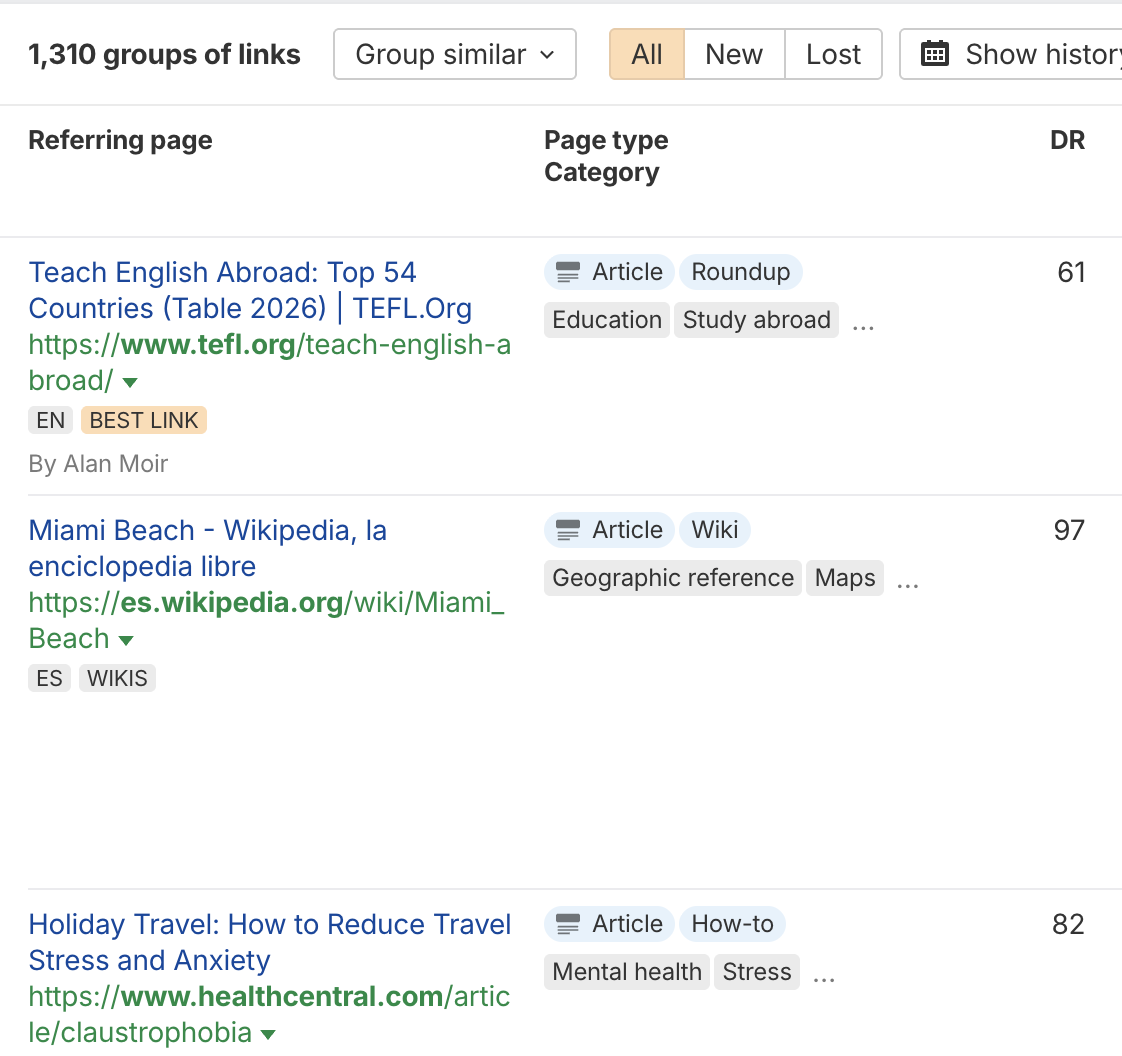
Smarter Travel built a genuinely useful resource, and now anyone writing about travel tips, vacation prep, or “what to pack” content has a reason to link to it. That’s the magic of a good linkable asset. Build it once, and it does the link building for you on autopilot.
One last thing to cover before we get into my favorite white hat strategies. Promise.
If you’re in SEO, then you’ve for sure heard the terms white, black, and grey hat. So, before we move on, I want to cover what each of those terms means. Trust me, it’ll help.
White Hat vs Grey Hat vs Black Hat Link Building
Every link-building tactic falls somewhere on a spectrum from complete white hat (ethical link building that adheres to Google’s guidelines) to black hat tactics that break search engine spam policies. Here’s how the three “hats” break down:
- White Hat: Is ethical link building that follows Google’s guidelines. This includes guest posts on real sites, free tools, stats pages, broken link building, and HARO pitches.
- Black Hat: Black hat refers to tactics that explicitly violate Google’s guidelines, like PBNs, link farms, automated comment spam, and bulk paid links from sketchy sources. Think of black hat as high risk, high reward.
- Grey Hat: Grey hat link building is somewhere in the middle. It’s not technically banned, but Google doesn’t love it either. Buying guest posts, niche edits, and paid digital PR are all grey hat strategies. Most of the SEO industry operates in grey hat, whether they admit it or not.
Cool? Cool.
You may have seen SEOs screaming at each other on social media or even Google shills denouncing anything that’s not 100% pure white hat with a “sponsored tag” or rel-nofollow link.
My advice is not to get caught up in the propaganda and instead focus on what’s actually getting results. All 3 types of link building work in different situations.
I’m a money hat guy, which basically means I use whatever works. White, grey, black, mix and match, I don’t care as long as it gets me results.
And the right mix depends entirely on the niche, competition, and your risk tolerance.
My company requires 100% white hat techniques because I really care about it and don’t want to risk it.
But a casino affiliate site?
Good luck competing with pure white hat tactics. Those sites are running aggressive grey and black hat campaigns 24/7, and if you’re playing by the rules, you’re not going to win.
Think of it like using performance enhancing drugs in professional sports. Sure, you want to be 100% natural. But if all your competitors are juicing, then you have to as well, or you’re not going to win.
My point is, the right strategy depends on what the SERPs in your niche reward. Pick the hat that fits the job.
| White Hat | Grey Hat | Black Hat | |
| Risk | Almost zero penalty risk | Safe if done carefully | Manual actions, deindexing |
| Speed to Results | 6 to 12 months | 2 to 4 months | Weeks |
| Cost per link | $0 to $500 (most of the time) | $200 to $2,000+ | $5 to $100 |
| Examples | Free tools, stats pages, HARO, guest posts on real sites | Paid guest posts, niche edits, paid digital PR | PBNs, link farms, comment spam, bulk paid links |
| Google’s stance | Encouraged | Frowned upon, rarely penalized | Explicitly banned |
| Best for | Brand sites, SaaS, B2B, YMYL niches | Most competitive niches | iGaming, adult, short-term churn and burn |
OK, it’s time to get to the white hat tactics themselves.
14 White Hat Link Building Tactics (Plus Examples)
Data Studies
Data studies are original research pieces where you publish statistics or other interesting findings. This is a foundational white hat link building strategy that nearly every website uses. You can either publish findings based on proprietary data or amalgamate industry statistics.
If I were you, I’d start here.
In my experience, statistics posts attract backlinks like wildfire.
Journalists love citing fresh data because it makes their articles look credible, and companies like adding data to back up claims to legitimize their services. Every citation comes with a backlink pointing at your study.
The data doesn’t have to be groundbreaking. Survey 500 people in your industry, pull stats from a public resource, or just Google industry stats and make your own stats page better (if you outrank the other studies, you’ll probably get the links instead of the original research…gotta love Google!).
But please be smart about this. Don’t just randomly post stats and pray someone finds them. Look for real keyword data within your niche instead. Here’s a great example from the B2B niche:
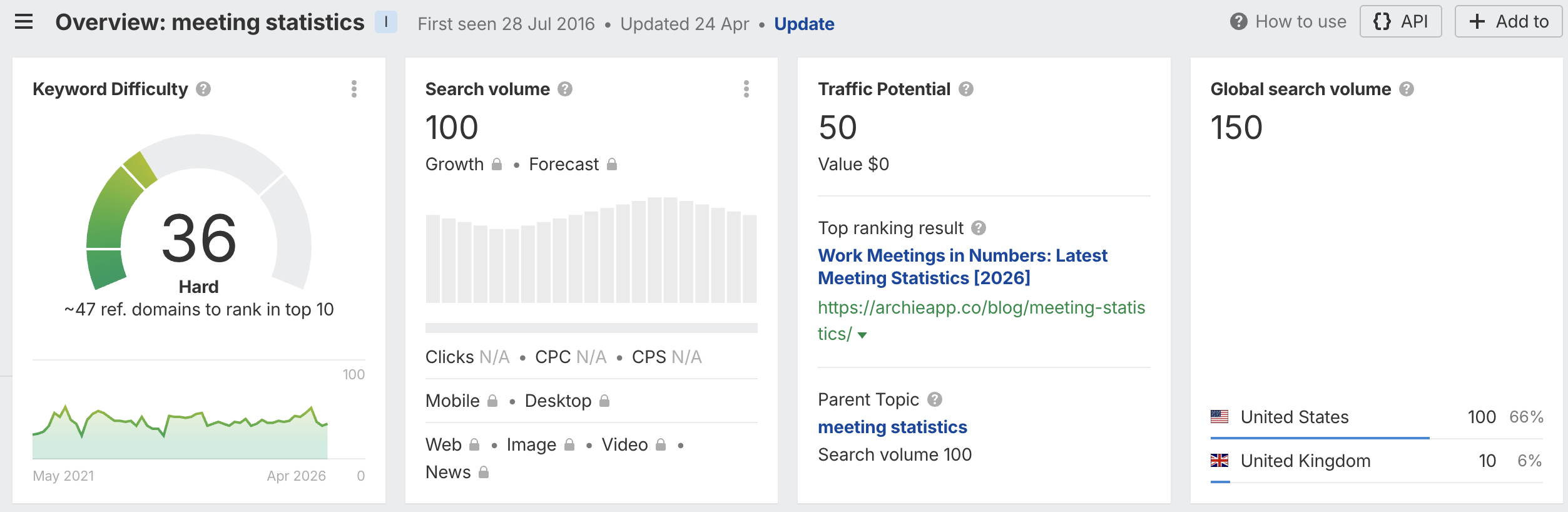
If people are actively searching for it, there’s a much better chance you’ll get backlinks to the post.
Case in point, the top page for this keyword has 275 links:
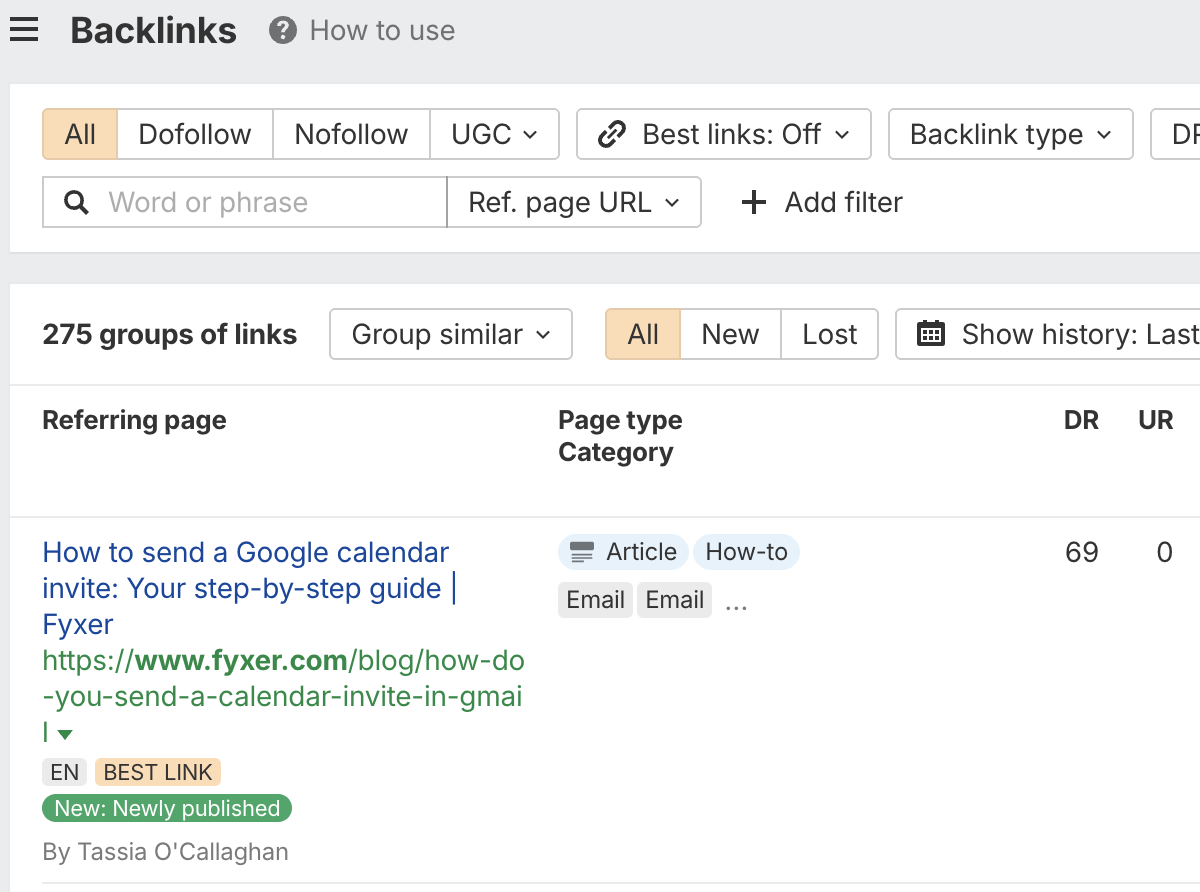
You can also promote the study with a press release or reach out directly to journalists covering your space. We’ve had single data studies pull 50+ referring domains in the first 90 days, and the links keep trickling in for years afterward as new writers find and cite the research.
Example of a Data Study
You’ve already seen the meeting statistics study and my link building statistics study, so I’ll provide two similar examples here from different niches.
Here’s a great example from a UK mental health clinic, The Priory, on mental health stats (a super popular topic these days):

That person looks way too happy for this type of study. That study generated 143 links for the Priory.
Now on to something a bit lighter, payroll stats:
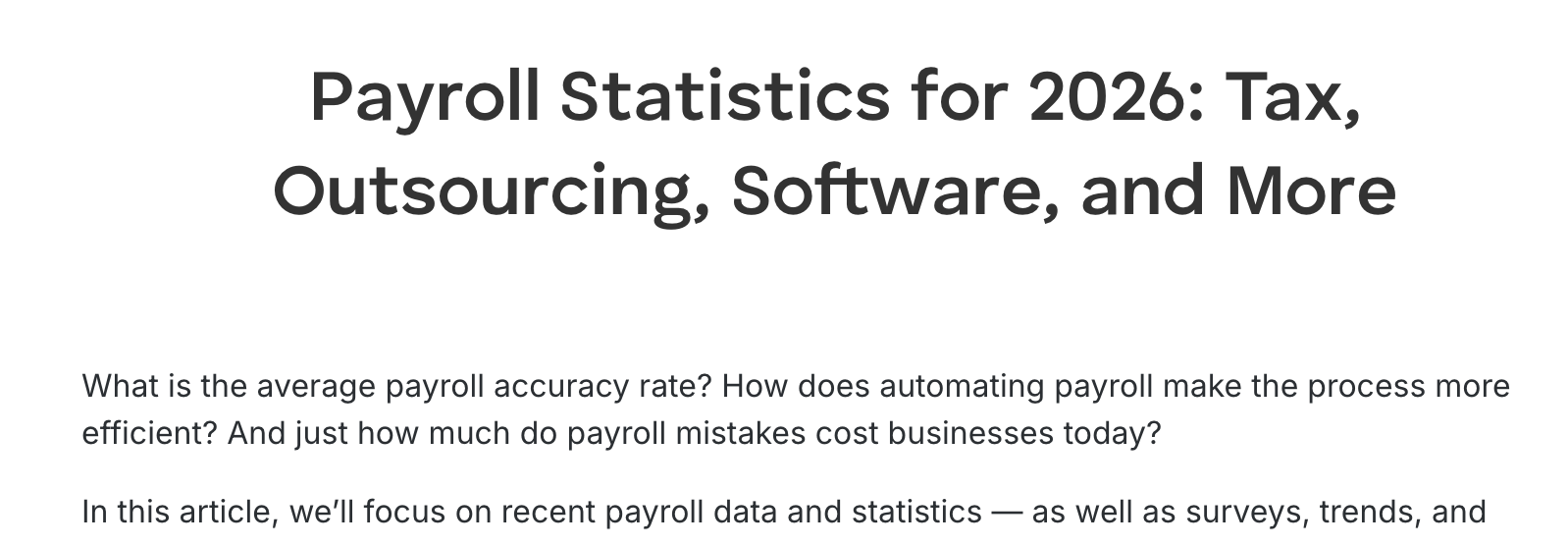
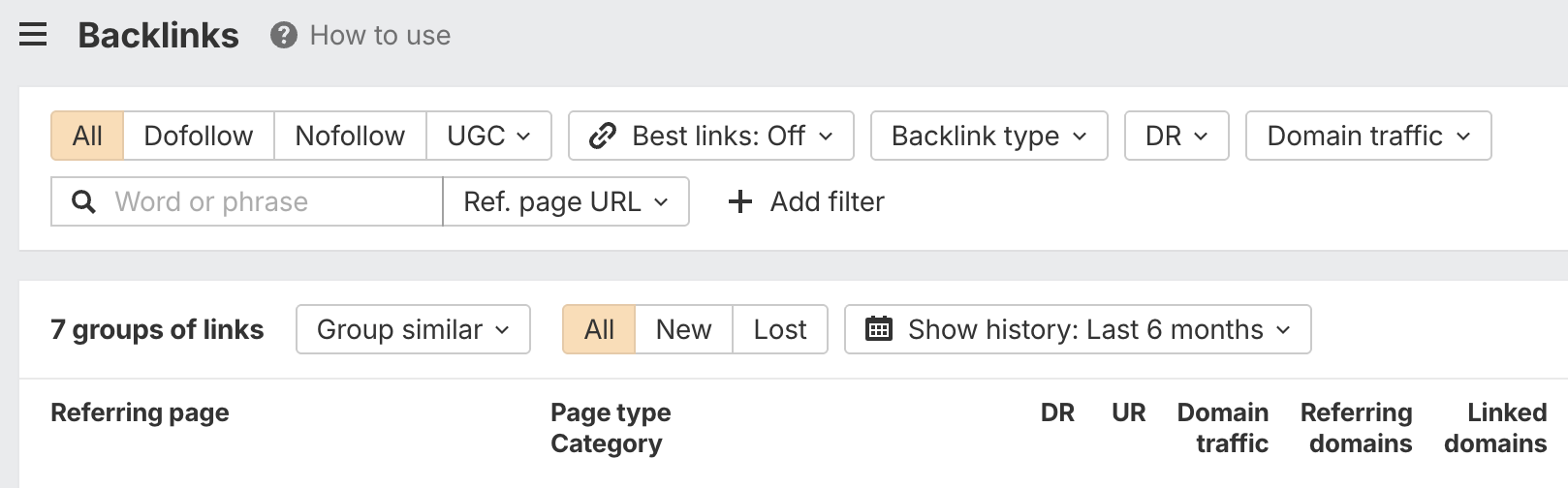
This is a fairly new article, so it’s only got 7 links so far:
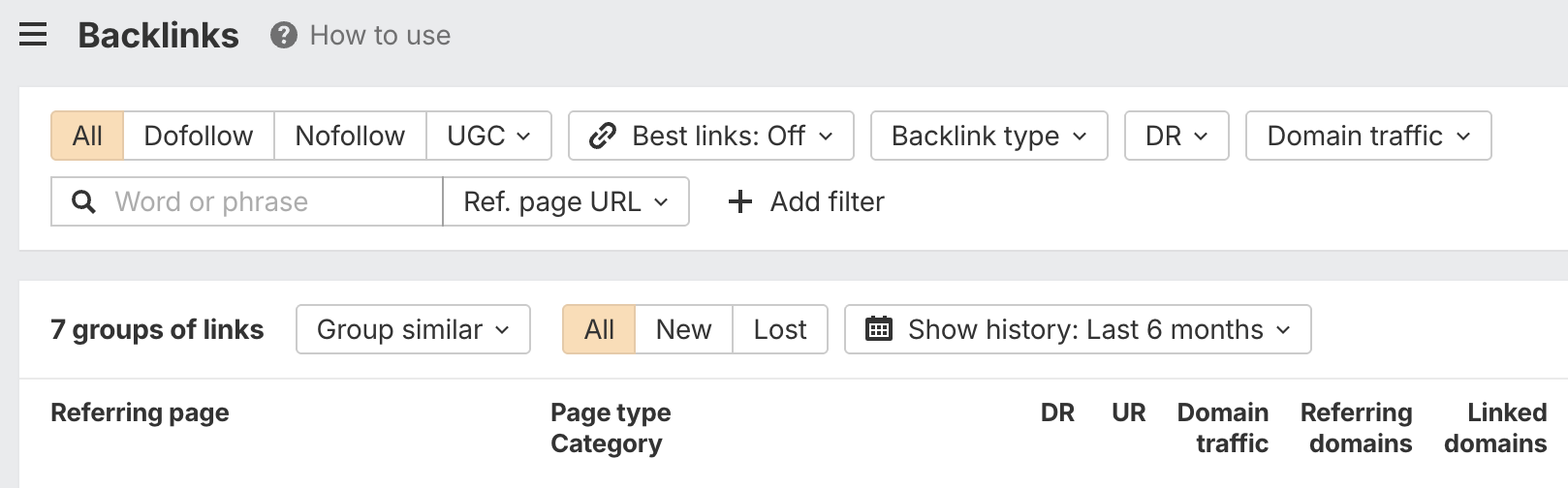
But at this rate, it’ll probably pull in a few dozen links by year’s end, which is great ROI. The reason I chose this stats post is that I wanted to show you how easy it is to create this type of research. Payroll info is freely available from government websites. Steal it and make a stats post. Easy peasy.
The Skyscraper Technique
The Skyscraper Technique is a content driven link building strategy where you find an existing piece of content that’s already earning backlinks, improve on it, then reach out to every site linking to the original and pitch your improved version as a replacement.
With skyscraper link building, all you do is find something performing well in your niche, and just add more to it: More words, more images, more tips, more subtopics, more videos…whatever you can add to make it better.
Brian Dean coined the skyscraper term at Backlinko around 2015 (we were all doing this way before then, though), and it still works a decade later.
Google even recommends skyscraper tactics in its “quality content guidelines”:
If hundreds of sites have already linked to a piece of content, you don’t have to guess whether the demand exists. You just have to outdo the page they linked to, and that’s usually not that difficult. “Better,” in my experience, usually means more comprehensive, more current, better designed, or backed by data that the original piece doesn’t have.
This was our approach when we made our “how to buy backlinks guide.” We added more firsthand advice, screenshots, tips, and topical coverage. The post is crushing it now:
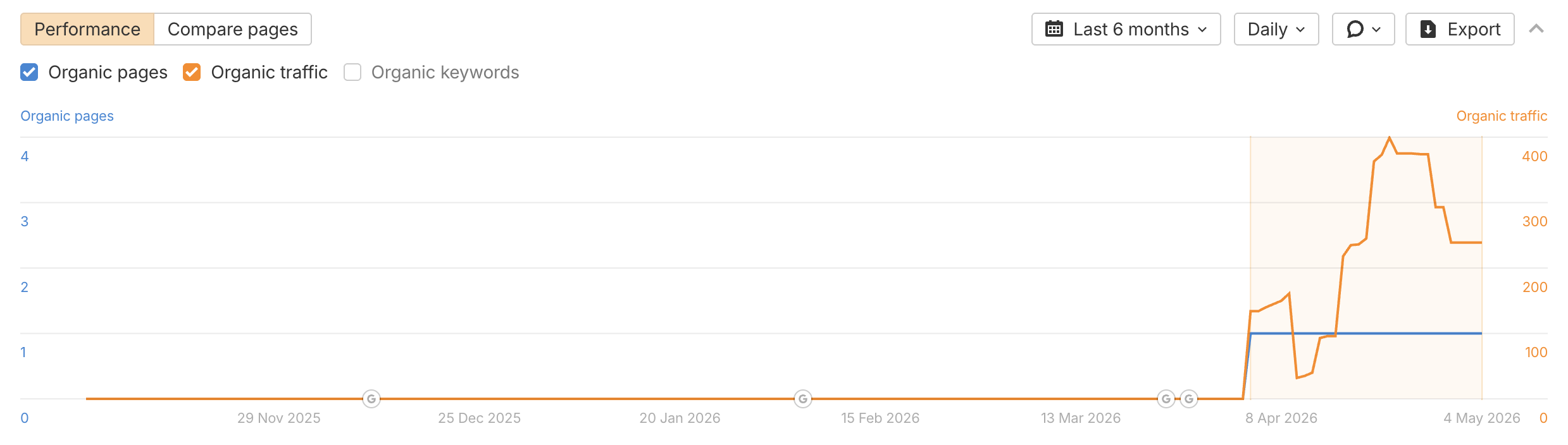
This has been one of my default white hat link acquisition strategies for 15+ years (even before it had a name), and it’s one of the few link building tactics that produces compounding returns year after year.
Example of the Skyscraper Technique
Here’s a great real world example from Audient on building a home music studio on a budget:
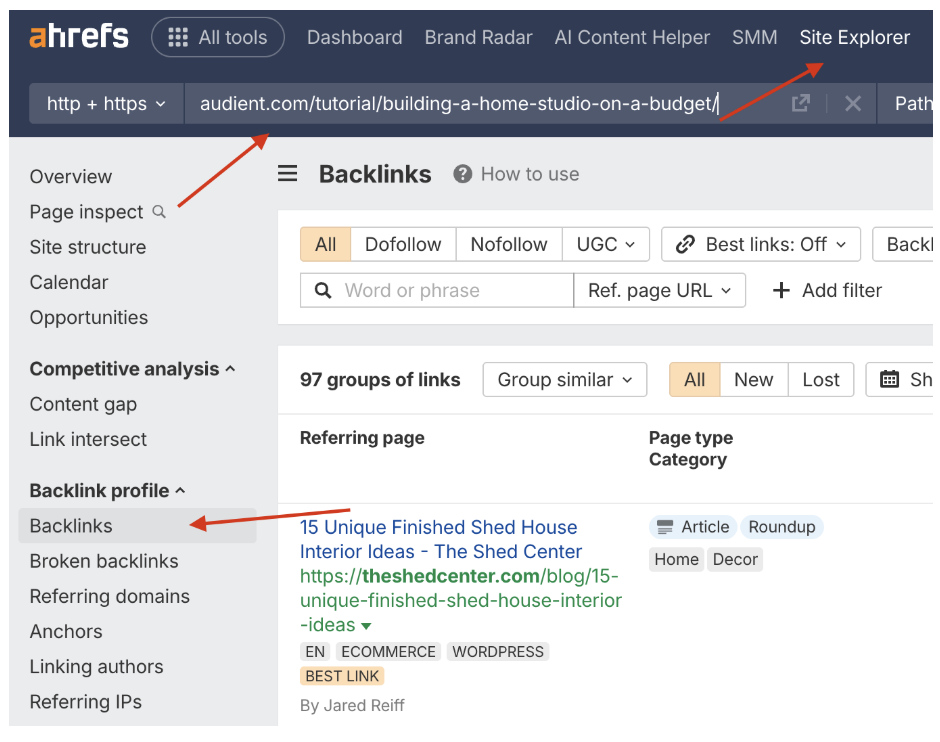
97 links ain’t bad at all. All they did was see what was ranking and create something miles ahead of the competition (improved budgeting advice, equipment review, real images, etc.).
Here’s how you build links using the skyscraper method:
- Find a piece of content in your niche with 20+ referring domains using Ahrefs or Semrush
- Audit what’s outdated, missing, or weak about it (broken links, old stats, thin sections)
- Build a version that’s measurably better (longer, more current, original data, custom visuals)
- Pull the full backlink list of the original page from your SEO tool of choice
- Email every linking site with a short pitch, positioning your piece as the upgraded resource
The reverse engineering step is where most people get lazy, so let me walk you through how we actually do it.
Open Ahrefs, paste the competitor URL into Site Explorer, and click into the Backlinks report for that specific page (not the whole domain):
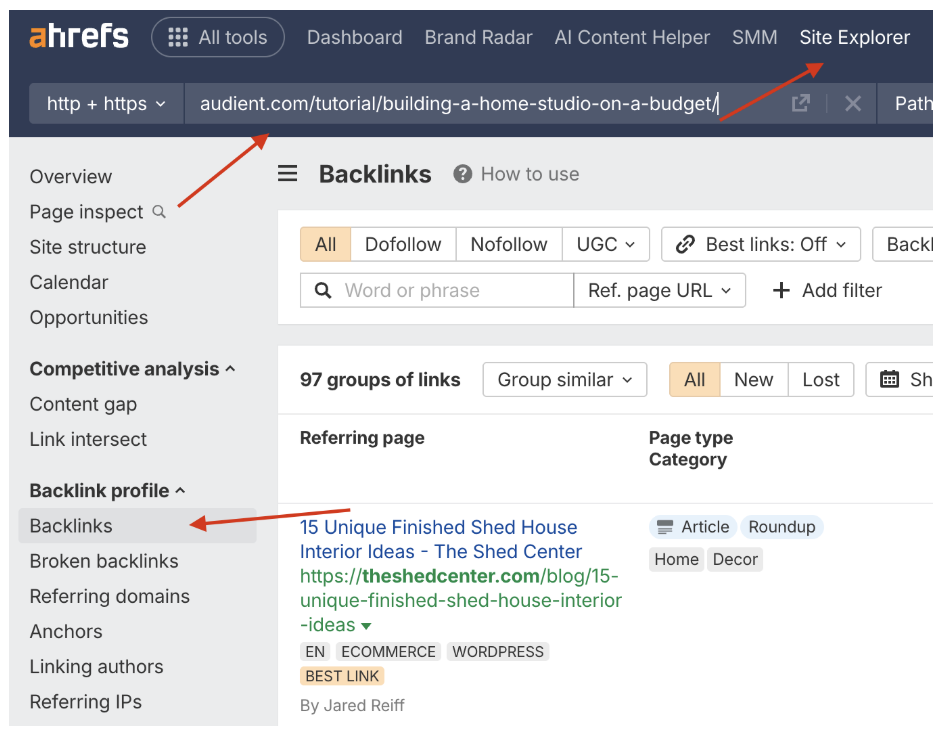
Filter by “dofollow” and “live” so you’re not wasting time on nofollow blog comments.
Then, sort by Domain Rating descending, so the highest value targets surface first. You’ll usually see a mix of roundup posts, resource pages, blog articles citing a stat, and forum mentions. My advice? Skip the forums and skip anything under DR 20.
From there, export the list to a spreadsheet and add 3 columns: Linking page URL, anchor text used, and the context around the link. The anchor text is a bit of Charles Floate’s secret sauce for drastically improving conversion rates….
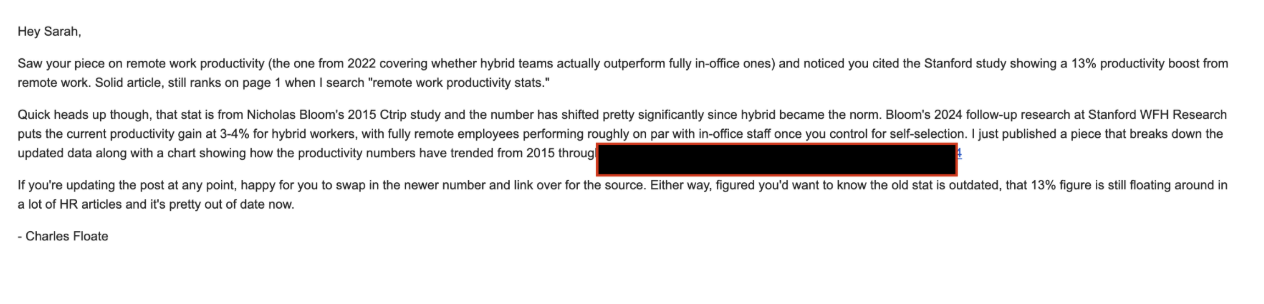
If a site linked to the original because of a specific stat, your pitch needs to mention that you have a more recent version of that exact stat. If they linked because of a chart, your pitch needs to show you have a better chart. That type of stuff. In other words, show exactly why they should link to you. Generic “hey, I wrote something better” simply doesn’t work anymore. And “Dear sir/madam” emails should be against the Universal Declaration of Human Rights.
Here’s a real email example that landed us a link. Copy it:
Guest Posting
Guest post link building is when you write an article for someone else’s website and, in exchange, get a backlink pointing back to your own site within the content or author bio.
For example, if you and I both have websites in the automotive industry, I would write a post for your website about cars, and you would link to my website within that article. You get an article your audience likes, and I get a link to my site and some referral traffic. We all live happily ever after.
Guest posting can be white hat, grey hat, or black hat, depending on the circumstances. If it’s a quid pro quo exchange, it’s probably white hat. If you paid, it’s black hat. Both work. Don’t let Google scare you.
Guest posting is the bread and butter of every link building campaign. You can’t hide from guest posting. Nowhere is safe. Conferences, social media, your Gmail inbox, your dreams…even your landlord might offer you links via guest posting sites (this really happened to me).
According to DemandSage, 64.9% of link builders use guest posting, making it the most widely used link-building tactic in the industry. Nothing else comes close.
Of course, I am 100% against black hat link building (wink wink), so let’s cover how the fairy tale world of white hat guest posting works…
First, you identify a list of relevant sites in your niche with roughly the same level of authority and some real traffic. Then, you magically find their contact info, reach out, and wait days or weeks for a response.
If you’re lucky, you’ll enter a back-and-forth phase of pitching topics, revising drafts, and negotiating link placements. Then, you’ll wait for weeks again for your placement to go live.
Congrats! You’ve just earned…one link (kill me).
See how this is absolutely ludicrous and actually against your best interest? Especially if you’re building links for a new website! Do you know how long it would take to build a single link this way? Weeks, IF you’re lucky. And let’s be real, the site owner will ask for payment anyway. So why go through all the trouble?
If you just bought links from PressWhizz, you could’ve built 10 links in one day and probably paid less!
Everyone pays for links, and if you don’t, you’re going to get lapped. According to DemandSage, 71.3% of link builders who pay for links use guest posting:
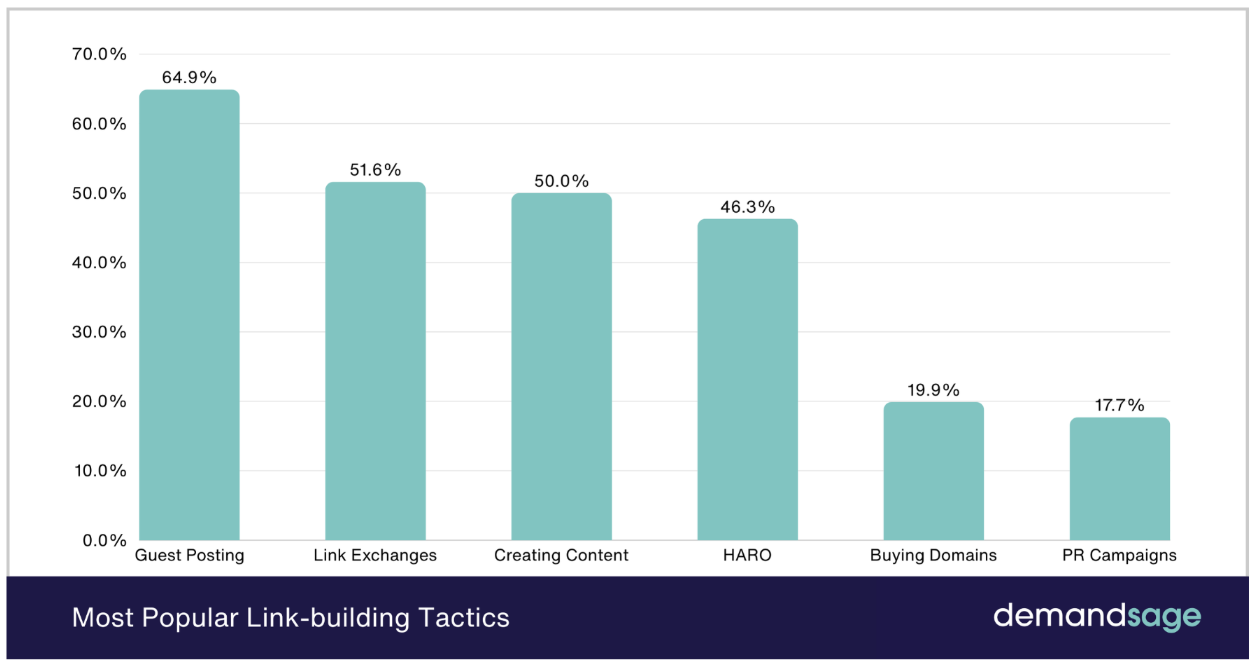
So, 7 in 10 link builders pay for guest posts, and 3 in 10 are blatantly lying.
TL;DR: Buy guest posts. And if you need some advice on the best places to buy backlinks, check out the article on our site.
Example of Guest Posting
If you remember the good ol’ days of SEO, nearly every site had a “write for us” tab. It’s not quite that easy anymore, but there are literally thousands upon thousands of guest posting opportunities in most niches.
Here’s an example of a nice looking website that is full of guest posts (and Google doesn’t care):
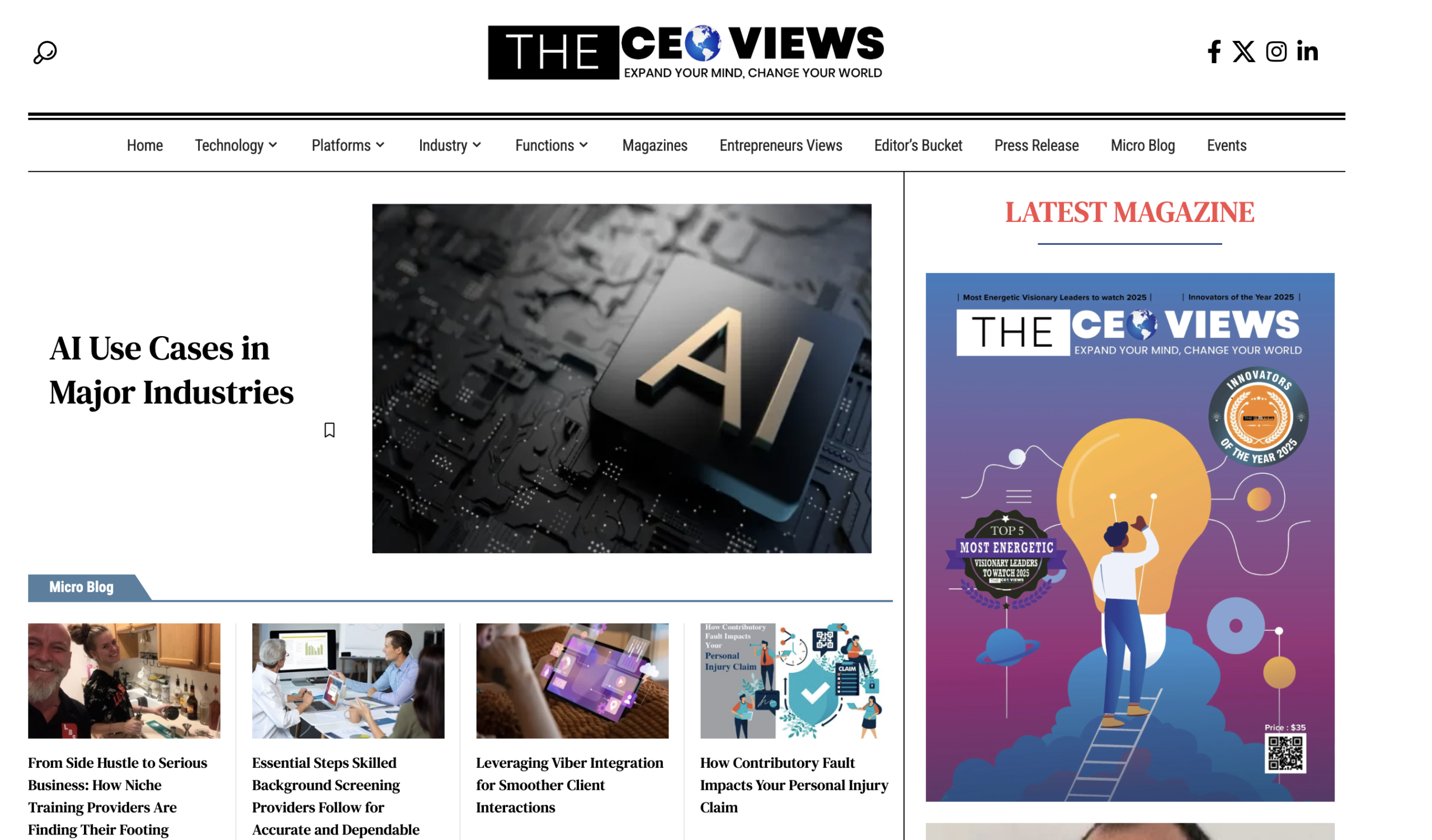
If you click into that top article there, you’ll see a link to a casino website:
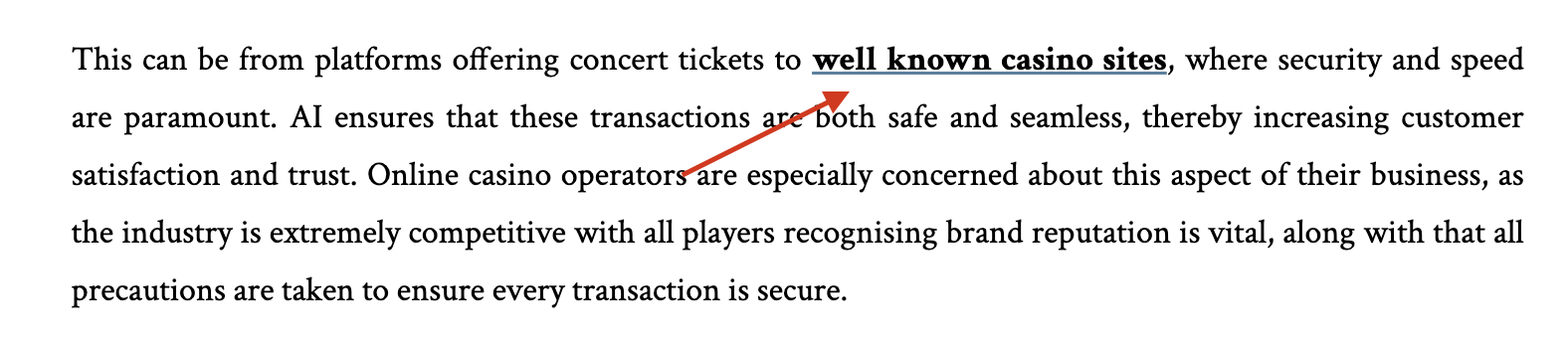
I’m pretty sure that online casino reached out to their editorial team, and they just decided to link to them within this AI use cases article for free…

Link Bait Roundups
Link bait round-ups are one of the highest-converting white hat link building tactics, and they’re a great way to build high quality, relevant links from industry sources. They’re also one of the few link building tactics where the people you’re emailing actually want you to email them, which changes the entire dynamic of outreach (and your sanity). The links aren’t as powerful as other forms of link building, but they’re links nonetheless.
Building 100% ethical links via roundups is pretty easy. You just write an industry news or trends post quoting industry experts, publish it, and then email each expert you quoted to tell them they’ve been featured.
A big chunk of them will share it on LinkedIn or X within 24 hours. A smaller but more valuable chunk will link to it from their own blog, especially if they maintain a “press” or “as seen in” page (most influencers do).
This isn’t just pure ego baiting either. Having their name mentioned around the web is a great brand signal for Google, and linking to their site helps build a natural, brand powered link profile. So there’s really no reason for them not to link back to you.
Example of a Link Bait Roundup
Here’s a great example of an expert tips roundup blog from Small Business Ideas Blog:
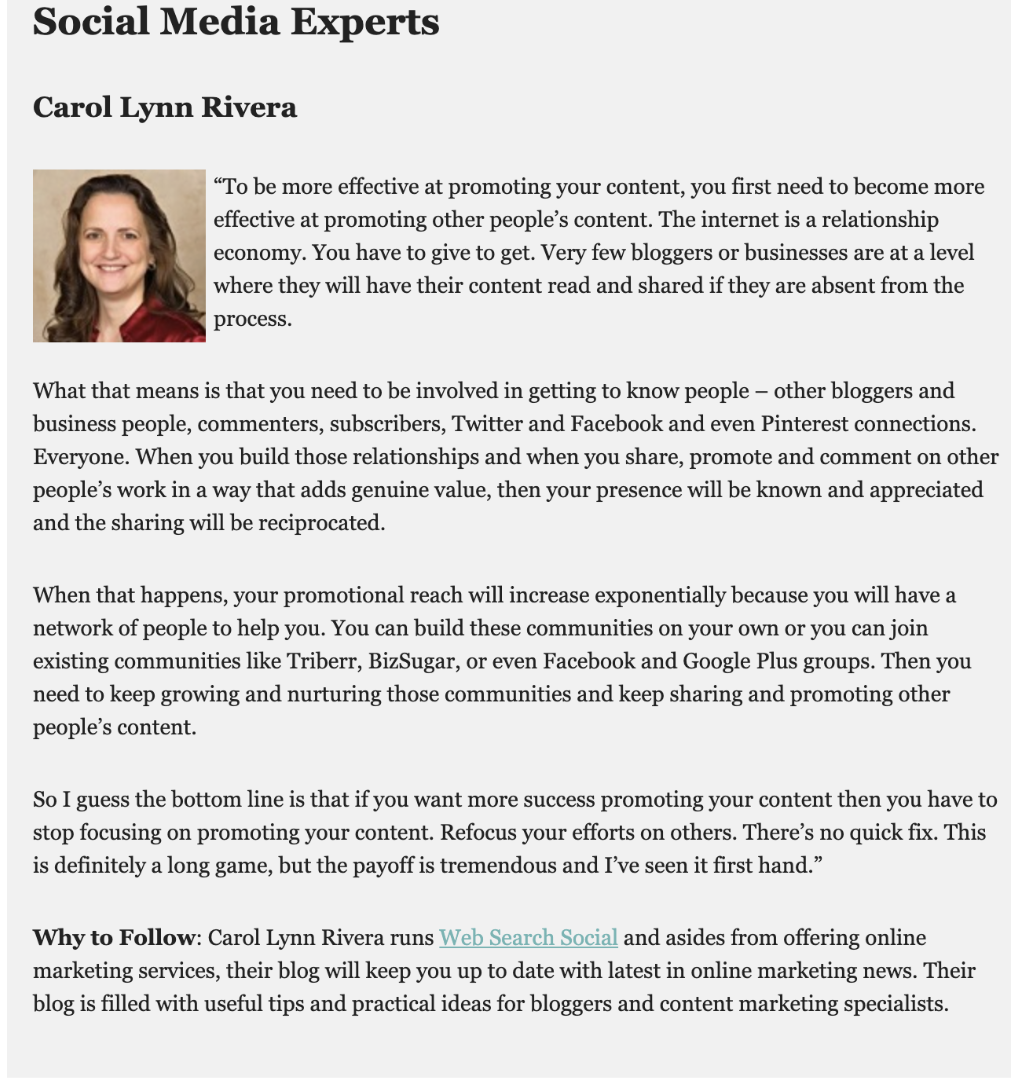
This website posted an article on tips for small businesses from different well-known industry experts. If you reach out to them, they’ll almost certainly link to it.
Note: If you have a big enough brand and connections in the industry, you can reach out to a bunch of experts before you post, asking them to contribute a paragraph like this. If not, just create a post with a quote from them (it can even be a social post screenshot) or create this type of article and hope they want to link to it. I never said white hat link building was easy!
HARO
HARO (Help A Reporter Out) is a white hat link building tactic where you connect with journalists who are looking for industry experts to quote in their pieces. When someone is writing a piece on an industry, they need a known industry expert to quote to improve the quality of their blog. If you get chosen, you’ll get quoted, and they’ll link back to your site.
That could be a DR75+ editorial link…100% free.
Every SEO who came up between 2012 and 2022 used HARO, and most of them have a story about landing a link from Forbes, NYT, or Business Insider just by answering a journalist’s question (in 3 minutes or less, probably). It’s not that easy anymore, but it’s still the backbone of most white hat link building campaigns.
HARO is pretty simple. They send out a daily email asking for sources, you respond with a useful answer, and if they like your quote, it ends up in the published article with a link back to your site or company. The email will look like this:
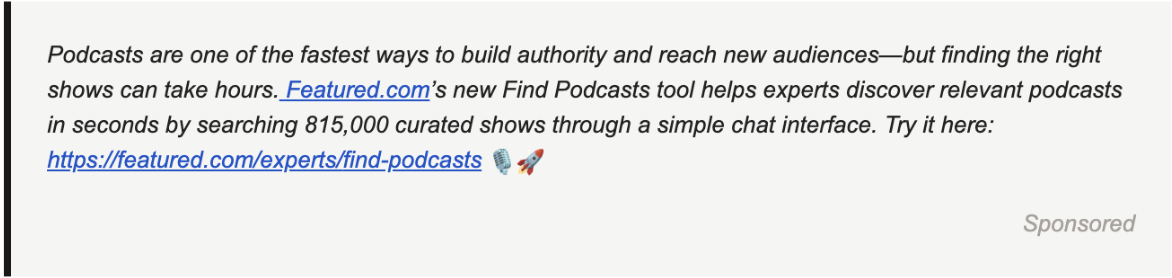
As you can see, the opportunities are divided into categories. Everything is super lo-fi, which is how I like it.
Three reasons HARO is one of the best white hat link building techniques are:
-
- It’s Free: No platform fees, no agency markup, just your time writing solid responses.
- Editorial Links: The links are from real publications, usually with high domain authority or domain rating and real traffic. No Google sycophant can report you for these, and Google can’t penalize you, no matter how badly they want to. Long story short, these are the type of backlinks you want on your site.
- Entity and Brand Mentions: Google wants to rank real businesses, so getting your name mentioned more around the web can’t hurt.
The catch is HARO is competitive (every SEO knows about it), and the queries aren’t curated, so you’ll wade through a lot of irrelevant requests to find the one that fits. You might get 1-2 realistic opportunities per week, and the conversion rates are low. It’s ultra competitive.
Here are some digital PR alternatives that are similar to HARO:
- Qwoted
- Featured
- SOS (Source of Sources)
I have an entire guide on HARO alternatives, by the way. It’s worth reading if you’re going to do digital PR (which you 100% should).
Pro Tip for HARO Pitches: Based on my firsthand experience, I know that pitches with unique insight and that DO NOT SOUND LIKE AI pass HARO filters (which are strict now) and get better response rates. Do not auto generate pitches, and if you do, remove AI words and phrases. Always write from personal experience and go into detail.
Example of a HARO Link
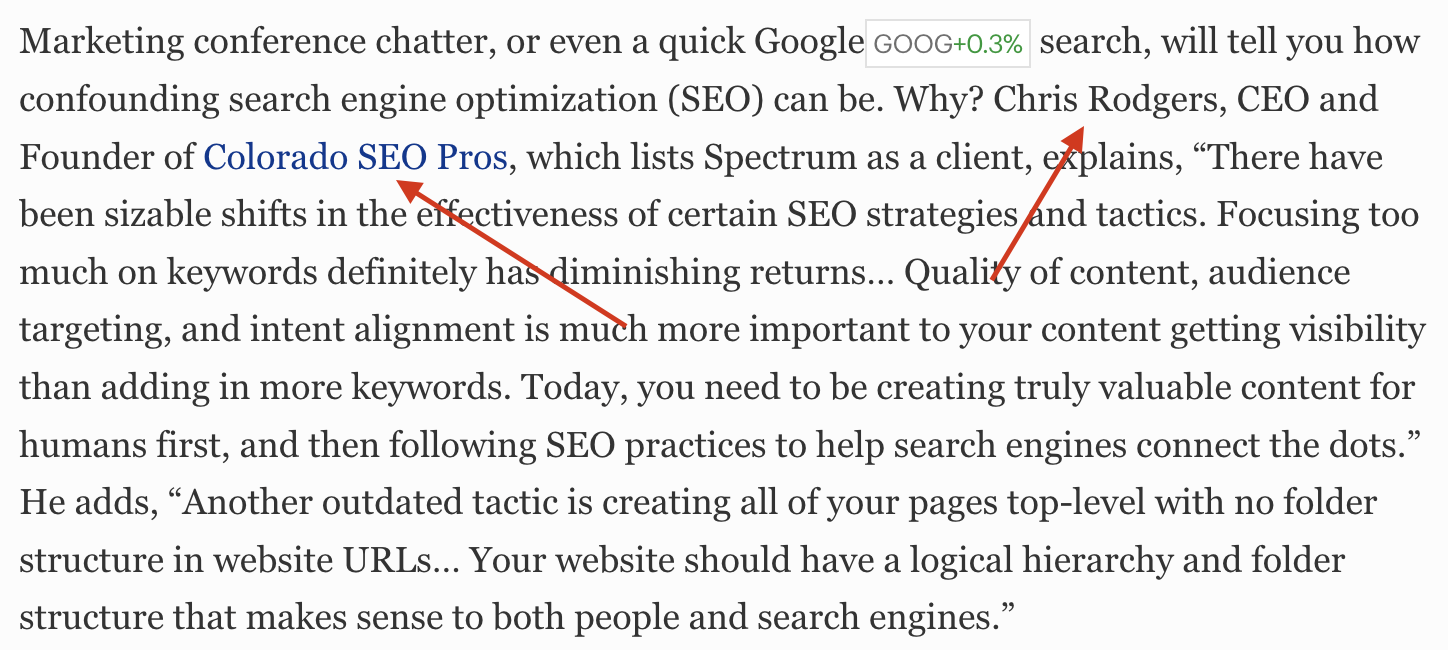
Forbes writers use HARO all the time to find experts to quote in their pieces. That’s why you’ll often see out of place links to businesses in Forbes articles.
Here’s a good example where an SEO agency landed a link (and the founder got an entity mention) most likely from HARO, though I can’t confirm:
Unlinked Brand Mentions
Next up is a piece of low hanging link fruit that could get you a few backlinks quickly: Unlinked brand mentions.
Unlinked brand mentions are exactly what they sound like. There are instances on the web where someone has mentioned your brand, company name, product, or one of your key people, but didn’t link back to your site. These are great ethical link building opportunities.
The mention is already there. The only thing missing is the link itself, which means you’re not trying to convince someone to add you to a post. All you’re doing is just asking them to add a link to text they already wrote.
Finding unlinked opportunities is actually super easy, so let me walk you through how I normally do it. You could easily find some links this way if you’re a decent sized brand.
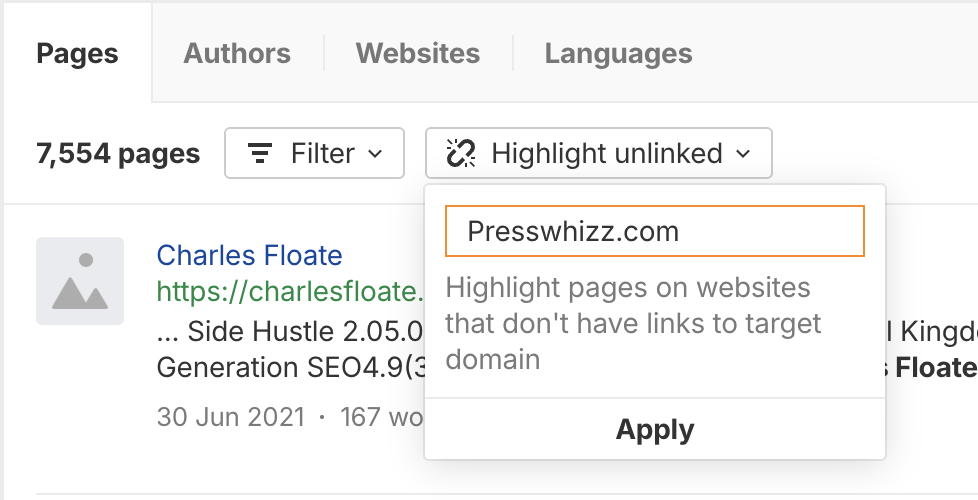
The fastest method for finding unlinked mentions is using Ahrefs Content Explorer.
Search your brand name in quotes (“YourBrand”) and set the filter to Highlight unlinked domains with your own domain plugged in.
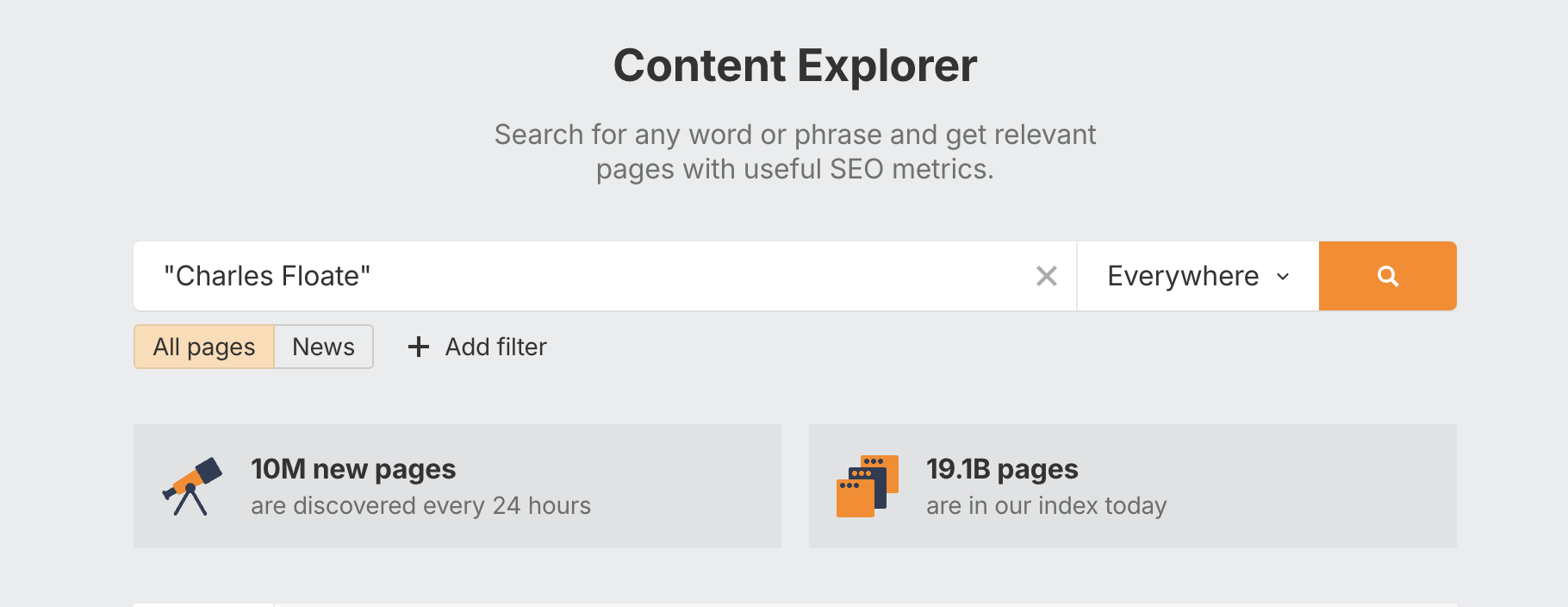
Ahrefs will surface every page that mentions your brand, then you can highlight the ones that aren’t linking back to your website.
Semrush has a similar feature inside its Brand Monitoring tool. Feel free to choose whichever tool you’d like.
Pro Tip: Don’t just track your brand name. Track your founder’s name, your CEO’s name, any proprietary frameworks or methodologies you’ve developed, and your product names individually.
We’ve had clients pick up nearly a dozen links in a single month just from tracking variations of their founder’s name across podcasts, interview transcripts, and quote round ups they didn’t even know existed. The mentions are out there. The question is whether you’ve set up the alerts to catch them.
Example of an Unlinked Brand Mention
Ahrefs.com wrote a great article on claiming unlinked brand mentions years ago. It’s a bit outdated now, but most of it still holds true.
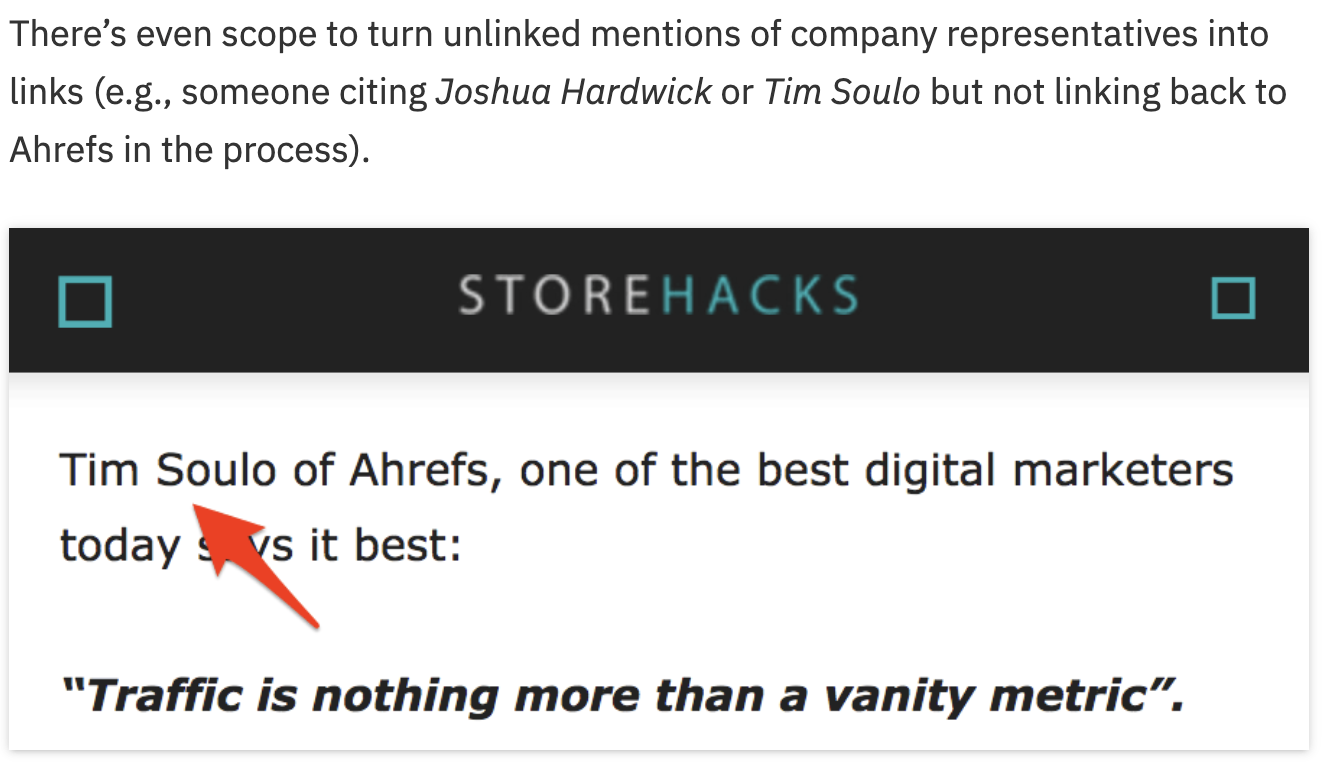
Here’s an example where they looked for one of their key people’s names and found multiple linking opportunities.
You can see here that they searched for Tim Suolo and found several unlinked mentions:
Free Tools
Free tools are one of the best white hat link building techniques, period. They earn high quality links from real industry blogs without any of the back and forth of other link building methods, and the links keep stacking up for years after you publish (if the tools rank for keywords, they’ll bring in links for years).
Free tool link building is straightforward: You build something that either solves a narrow, annoying problem in your niche or creates something that might go viral with the public. If it’s truly valuable, bloggers, journalists, and heads of content will want to link to it, because it’ll improve the quality of their own content.
The citations come from people writing about your exact topic, so the relevance signal Google picks up is stronger than almost any other link type. And since they’re interactive and add value, they typically attract a lot more links than regular blog posts.
In my experience, the effort to backlink ratio for free tools is the highest out of all the link building techniques (white, black, or grey).
The biggest reason for this is that with AI and vibe coding, it’s easy to create a tool nowadays. The only thing you need is proprietary knowledge. Back in the day, you needed developers and weeks of time. Now, you can build a legit tool in a day or two.
You’ve seen examples of free tools at the beginning of this post, but I’ll share a few more here.
Example of a Free Tool
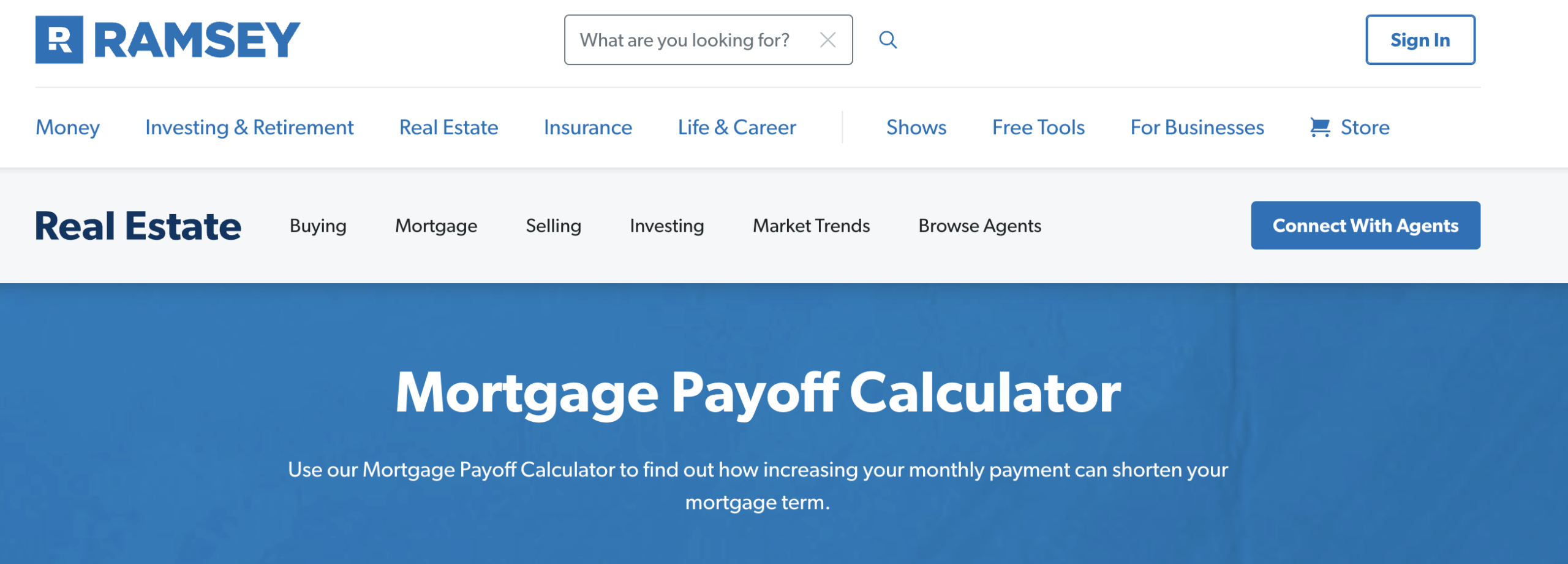
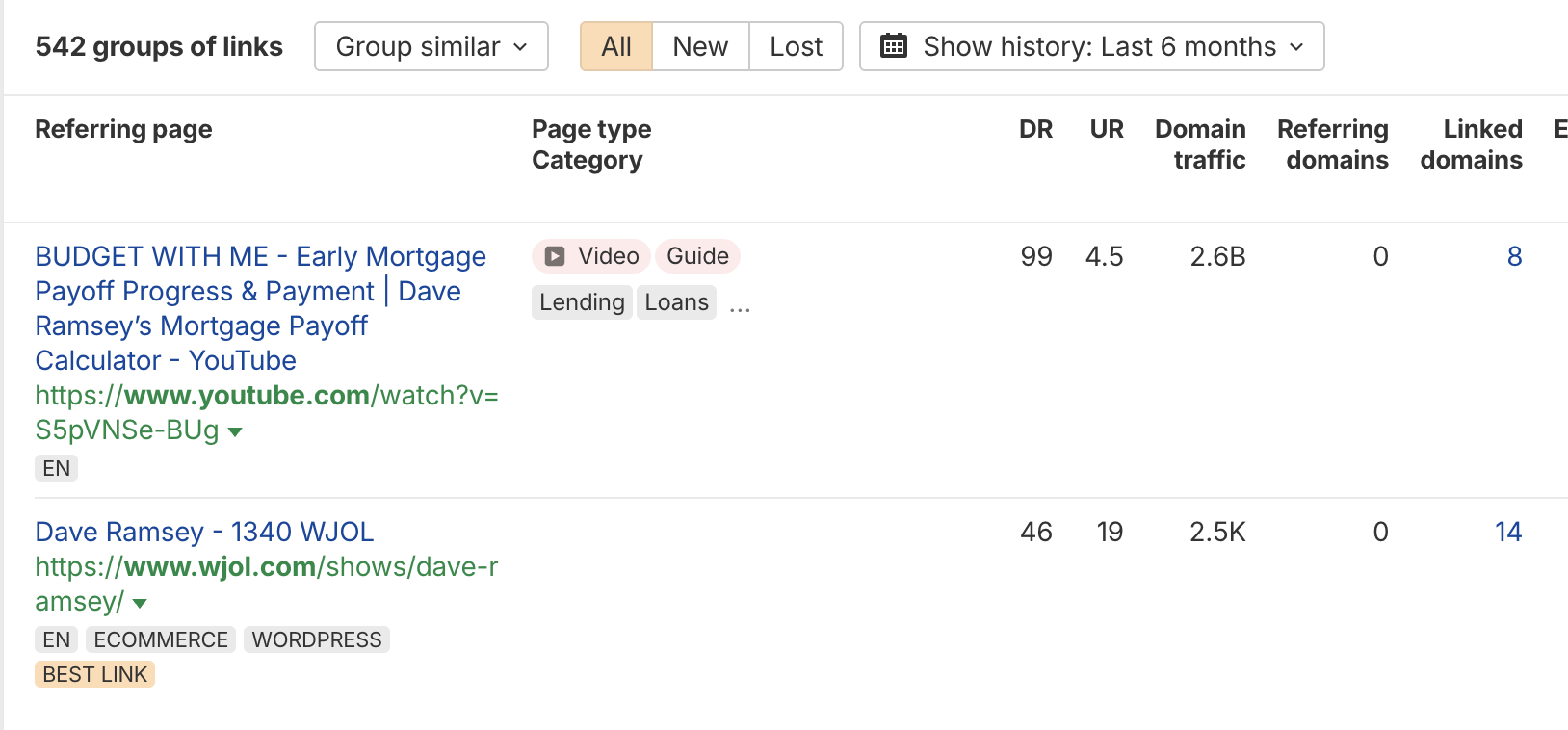
Here are a few examples of free tools that will keep bringing in white hat links long after you create them. Let’s start with this mortgage payoff calculator from Ramsey that’s brought in nearly 550 links:
Here’s the Ahrefs screenshot:
Here’s another great example of something jumping on the AEO buzzword train, an SEO and AI visibility checker:
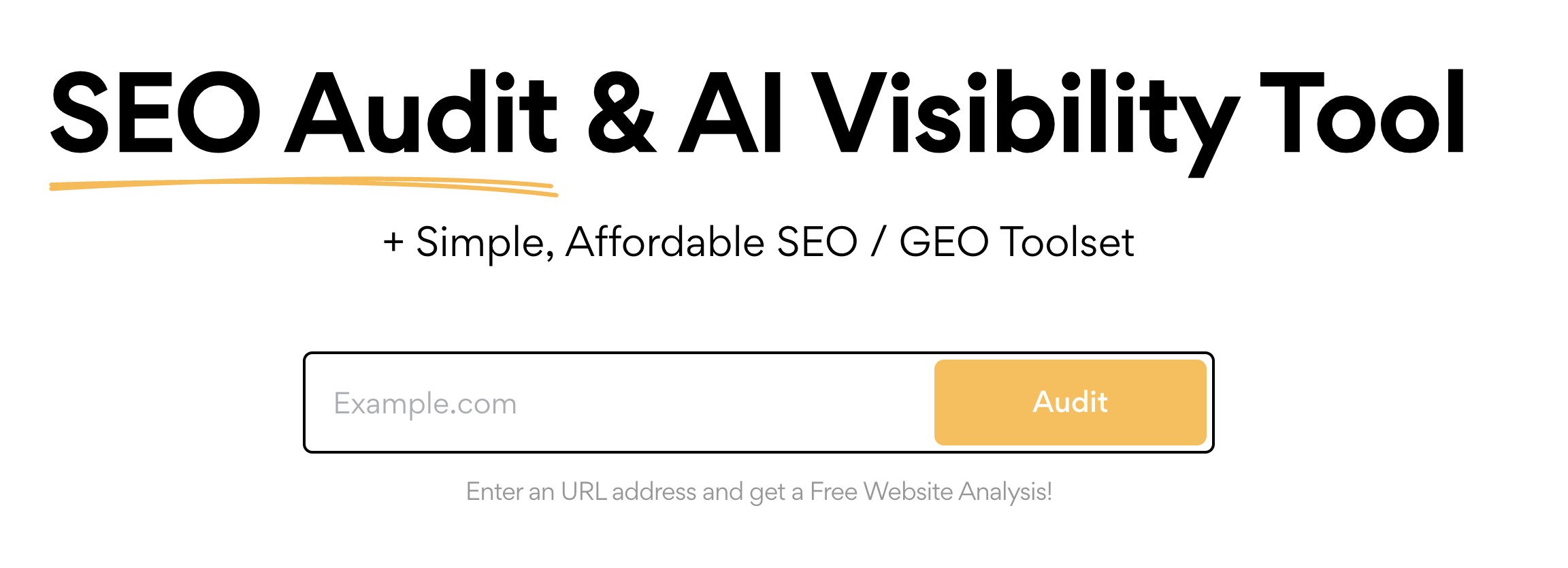
Want to guess how many links they’ve built from this tool? Try 138,000. Yes, you read that right…

Resource Page Link Building
Next up is a super underrated link building technique that most SEOs aren’t even aware of, but actually has a high success rate.
Resource pages are curated lists of helpful links on a specific topic, such as the 20 best SEO tools of 2026 or the best resources to make you a better baker. When your website gets added to these resource pages, you get high quality links and targeted referral traffic.
Resource pages are usually published by universities, libraries, government sites, industry associations, and niche blogs that want to point their readers toward useful external content.
Other examples of resource pages could be:
- best resources for first-time homebuyers
- marketing tools we recommend
- My favorite cooking blogs page
All you have to do is find resource pages relevant to your niche and contact the page owner to suggest they add you. This is an ultra high success rate link building tactic because there really is no reason for them not to add you. They’ve already got the page, and your resource is high quality (I assume).
Say you run a personal finance blog with a strong calculator for student loan repayment. You’d Google “student loans” + “resources”, then you’d pitch your tool to whichever sites you find that advertise resources to people drowning in lifelong debt.
Just Google your niche + resources and see what comes up:
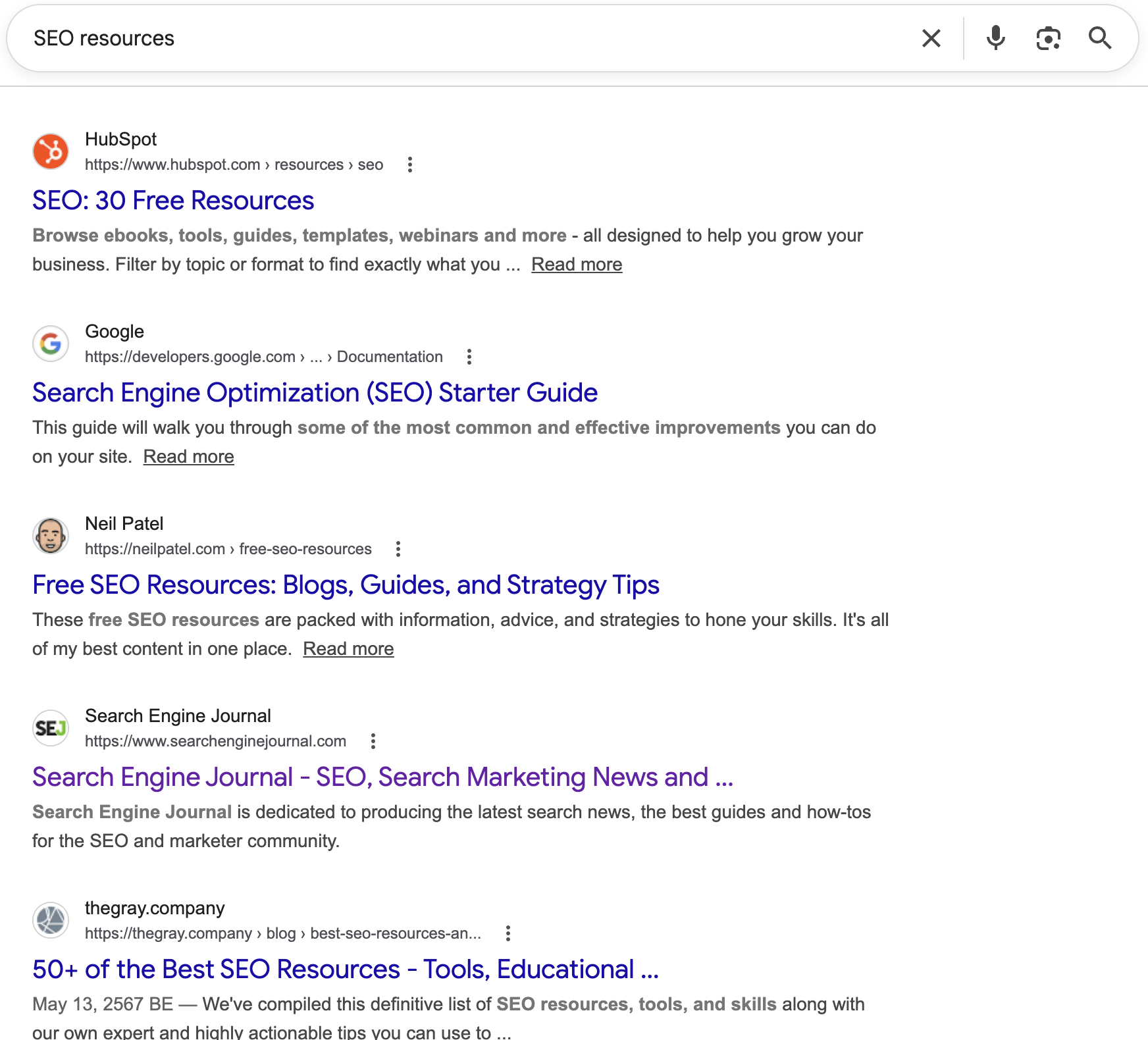
It might be difficult to get into HubSpot’s list, since they usually list their own resources. But thegray.company would almost certainly add you to their list if you were an SEO resource (making a note to contact them later today).
Example of Resource Page Link Building
Let’s stick with that example from above. The company is called Gray Dot Co.
Take a look at some of the resources they’ve linked out to:
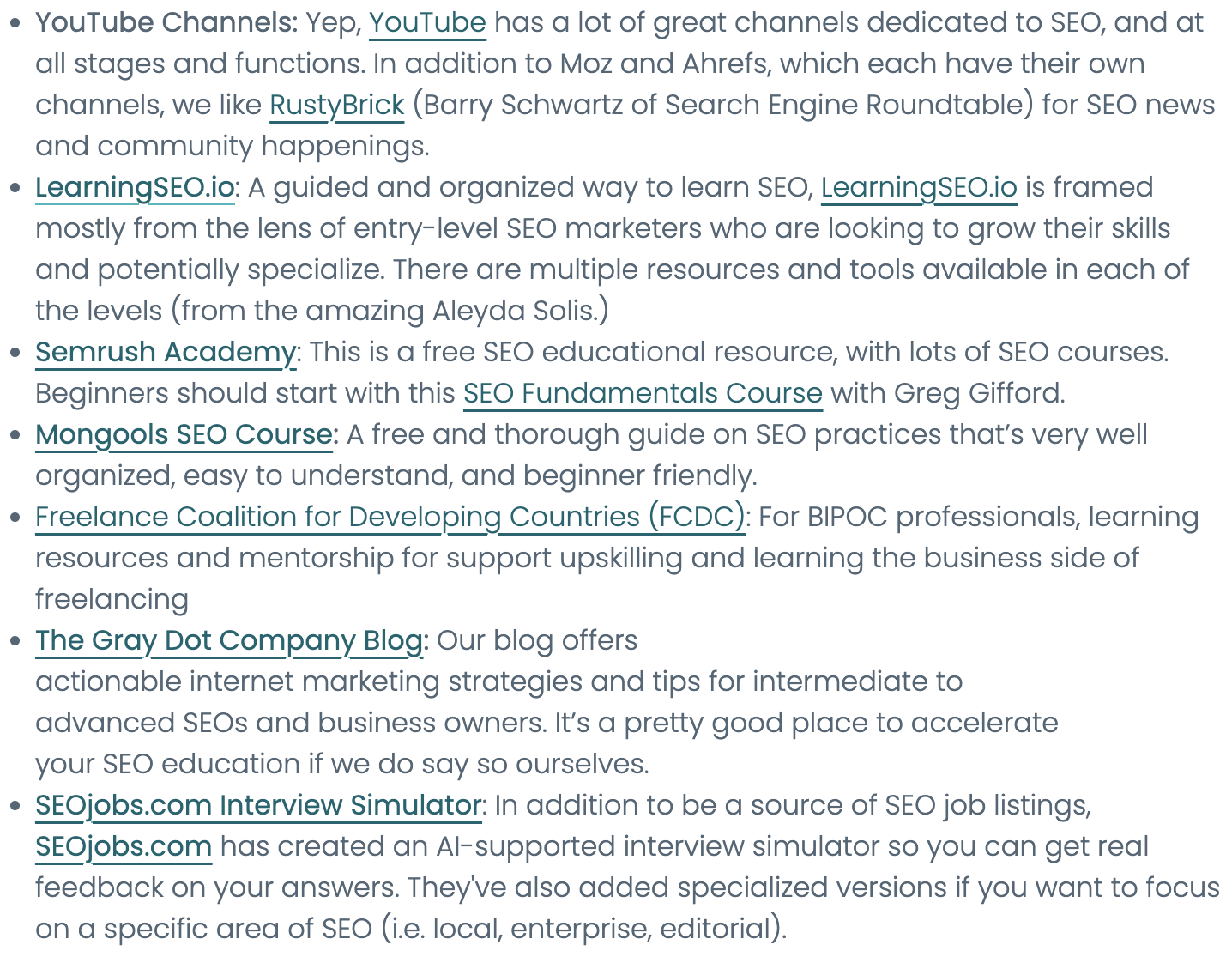
If I were trying to do some resource page link building, I’d contact this company via email, LinkedIn, or other socials and pitch PressWhizz to them.
Infographics
Infographics are one of my favorite white hat link building strategies for a few reasons. First off, you’re giving an outlet high quality, engaging content they can show their readers for absolutely free. Everyone wants that. And, they’re extremely easy to build with Canva. Anyone can make an infographic these days.
Break down a process, summarize data, map out something related to your niche…pretty much anything can be visualized these days.
Aside from being very low effort, infographics are also:
- Shareable: It’s easy to embed them, and they’re more likely to go viral than other formats.
- Likely to Get Picked Up: Journalists and bloggers use infographics all the time to enrich their own content, and when they do, they link back to you.
- Brandable: Slap your brand in the corner, and anyone reading an article or browsing an image site like Pinterest will see your name.
- Easy: Any AI tool or even just a free Canva account can whip up a good infographic in no time.
- Stackable: Writing an article? Turn some of the info into an infographic, and you’re good to go. Now you’ve got 2 linkable assets.
According to Search Logistics, content that includes infographics gets 650% more engagement than content without it. That’s an INSANE number. We’ve created infographics in less than 15 minutes with AI tools that have generated 50+ backlinks.
If I were you, I’d look for articles related to your topic on non-competitor sites and build an outreach list, then use a tool like Pitchbox to create personalized outreach campaigns. You can also target outdated or low quality infographics.
Example of an Infographic
Here’s a great infographic from Column Five Media that generated 32 backlinks:
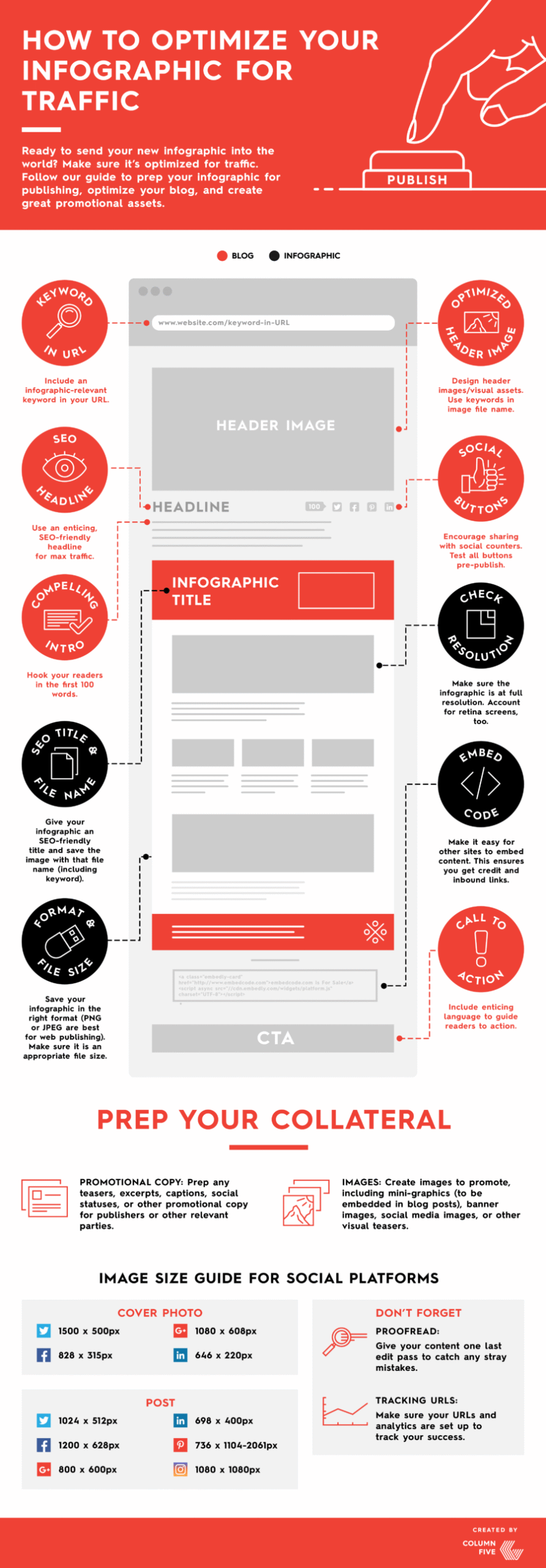
Make that 33 backlinks! Behold the power of infographic link building!
Broken Link Building
Broken link building is about as close to free links as you’ll get in 2026. If you don’t have five figures a month to drop on placements and you just want to start building momentum, start here.
Site owners hate broken links sitting on their pages because they ruin user experience and SEO, so flagging one and offering a replacement is doing them a favor (which is why it’s one of the only cold pitches that still gets replies).
According to Ahrefs.com in their study on link rot (amazing term) entitled “At Least 66.5% of Links to Sites in the Last 9 Years Are Dead,” about 74% of links are rotted. That’s a huge opportunity for SEOs like you.
Example of Broken Link Building
Instead of showing you one example of broken link building, I’ll just show you how I’d do it.
Fire up Ahrefs and run a broken outbound link report on competitor sites. You’re looking for dead links pointing to pages that used to exist (404s, expired domains, retired tools). Here’s a snapshot of some broken backlinks to a competitor’s page:
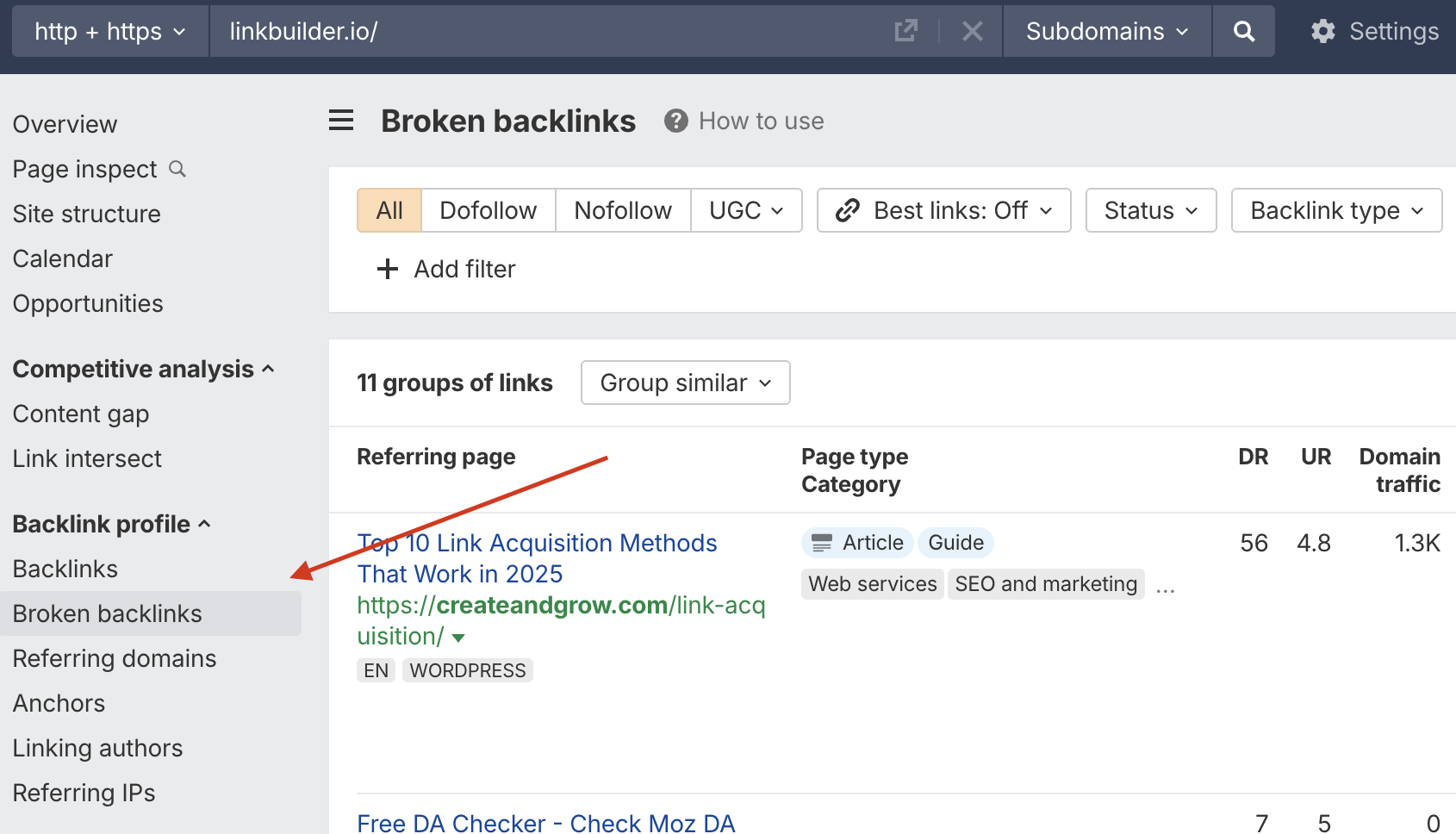
Look for articles linking to pages that no longer exist that could also be a good fit for your website.
Here’s a good fit for PressWhizz: An article on link farms…
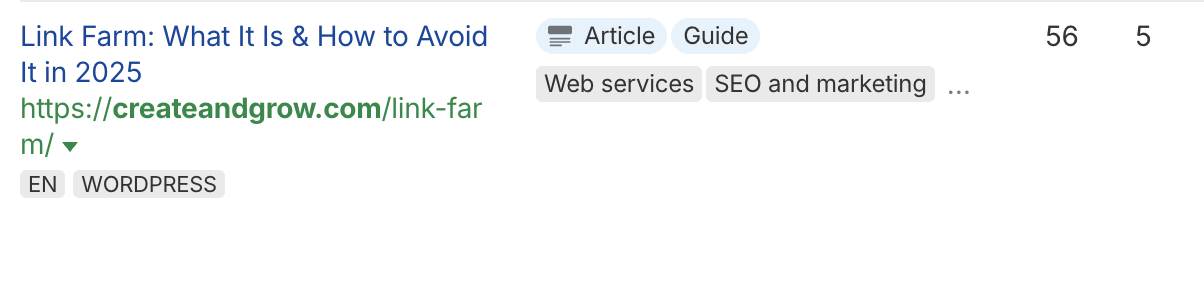
Email the site owner, point out the broken link with the exact URL it sits on, and offer your page as the fix. If you don’t have that particular page yet, make it.
Pro Tip: Filter your prospects by referring domains over DR (domain rating) 30 first. This will save you hours chasing links that don’t move rankings anyway.
Link Insertions (Niche Edits)
Link insertions, also called niche edits, are paid placements where a site owner adds your link into an existing article on their site instead of writing a new post for you.
You pay a fee, they slot the link into a relevant paragraph, and you’re good to go. The advantage here over other white hat link building methods like guest posting is that the page you’re getting a link from is already indexed, aged, and, in most cases, already has organic traffic from Google.
With a guest post, you’re publishing a brand new URL, and you’re hoping it eventually picks up enough authority to boost your search engine rankings. A niche edit skips all of that. The page is already ranking for keywords and trusted by Google, so your link starts working immediately instead of six months later.
Niche edits are one of our most popular services here at PressWhizz, especially when customers are doing link building for new websites. They’re super effective, and there’s a lot less risk than a typical guest post.
We work with hundreds of clients across every niche you can think of, and the majority of their link spend goes to niche edits when they buy links.
In Google’s white hat fairy tale world, you’d find relevant posts related to your topic, put them into Ahrefs, then order them based on domain rating, relevance, and traffic. Then you’d reach out to each, begging to be inserted into the post because you’ve got something of high value.
That’s complete BS. Everyone pays for links. Affiliates pay, agencies pay, and even in-house SEO teams at Fortune 500 companies pay. And anyone telling you they don’t pay for links is either lying or about to get outranked by someone who does. If your competitors are buying niche edits and you’re stuck waiting for organic links to roll in, you’re not going to outrank them in Google. Period.
Example of a Link Insertion
I can’t give away my sites or any client sites in this case. That would just be bad business.
But what I can do is show you an example of what I might do if I were looking for niche edits for PressWhizz.
First, I’d take an article of ours, like “Link Building for Lawyers.” Then I’d look for guides on SEO for law firms and make a list. Here’s a great candidate from a website that isn’t competing with us:
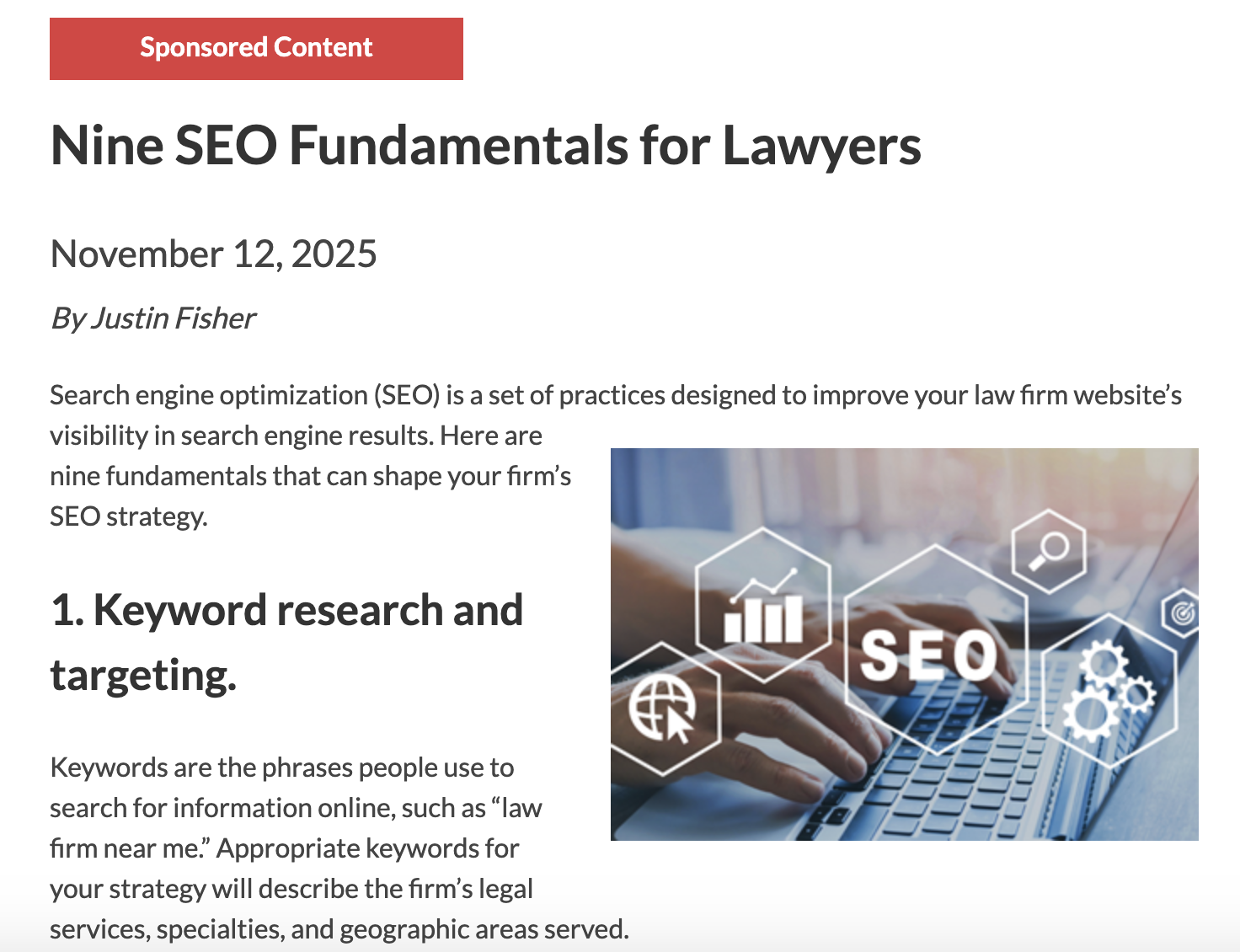
Next, I’d find a passage in the article that could link back to our guide.
From there, I’d find their contact info and reach out with a targeted pitch (and maybe even a Loom video) about why they should link to us. Or, you know, just offer them money.
Digital PR
Digital PR is a white hat link building strategy where you pitch a story, data study, or expert commentary to journalists, get featured in a news article, and earn a link back to your site. You may also hear digital PR called “earned media” in some link building circles.
With white hat digital PR, “no money” changes hands. All it takes is a pitch good enough that a reporter at MSN or TechCrunch decides it’s worth covering. That’s the official version that we definitely all do, anyway (wink wink).
To be fair, if you sponsor a post on a media outlet and the link is nofollow with proper disclosure, that counts as white hat too. Google’s fine with paid placements as long as the link is marked correctly and the audience knows it’s sponsored.
Google thinks PR should look like this: a brand publishes original research, a journalist independently discovers it, the journalist writes a story, and a dofollow link gets added because it genuinely helps the reader. Clean, organic, earned.
Here’s how it actually works. You email a contact at the outlet, agree on a price somewhere between $200 and $1,000 depending on the site’s authority and traffic, send over your draft or topic angle, and they publish it with a dofollow link pointing at your money page. Sometimes it’s labeled “contributor” or “partner content.” We’ve placed links on outlets you’d recognize from the supermarket checkout aisle, and the process is essentially the same every time.
Pro Tip: Use parasite SEO on the highest authority outlets you can afford. Publish a piece on a DR 90+ site like Reuters or AP News targeting a keyword you’d never rank for on your own domain, like “best hair clinic in Turkey” or “best CRM for real estate.” The host site does the heavy lifting on authority, you do the on-page optimization, and the page ranks because Google trusts the domain it’s sitting on. We’ve seen single parasite placements outperform six months of building links to a client’s own site.
Example of Digital PR
Here’s an example of digital PR in the ideal white hat world (while this isn’t practical, it can work if you get lucky).
In 2023, the lawn care lead-generation company LawnStarter found a way to capitalize on the popularity of the Barbie movie.
This is why I love this story: They didn’t even write an article or create an infographic. They just generated an invoice for what lawn maintenance and repairs would cost at the Barbie Dreamhouse (if it existed).
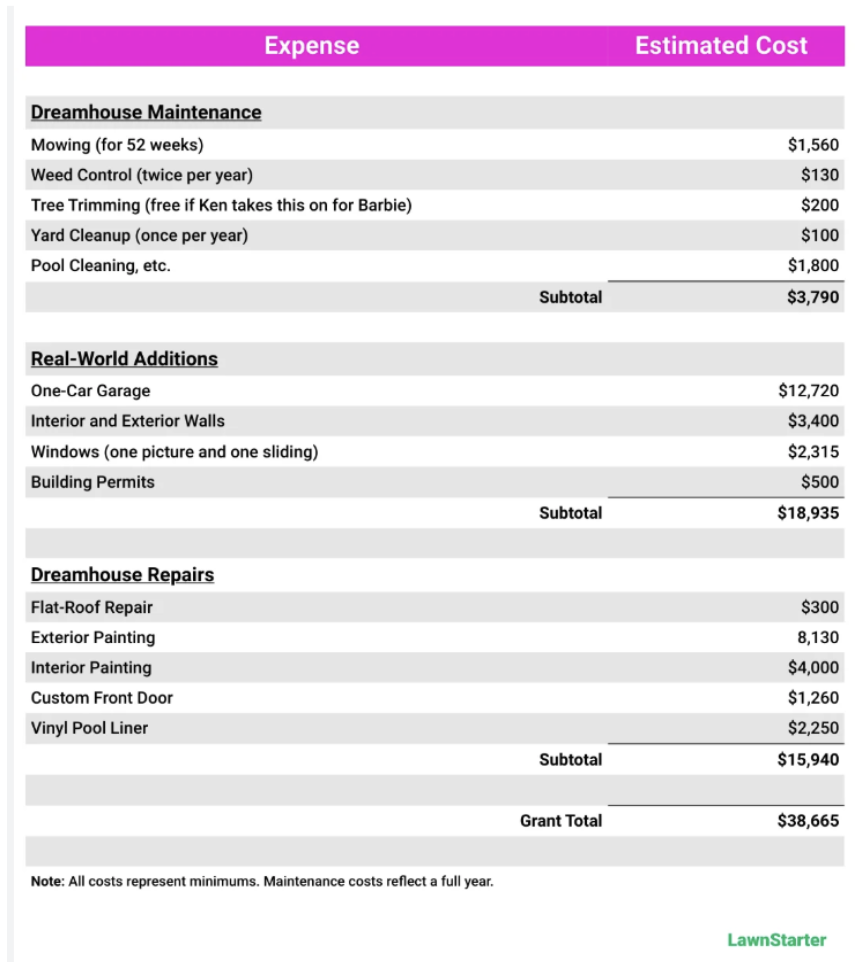
This is the sort of puff piece that news outlets love, and they ate it up. LawnStarter got links from a bunch of regional media and radio stations. Sure, they’re not giant media names, but you can’t argue with DR 70+ links.
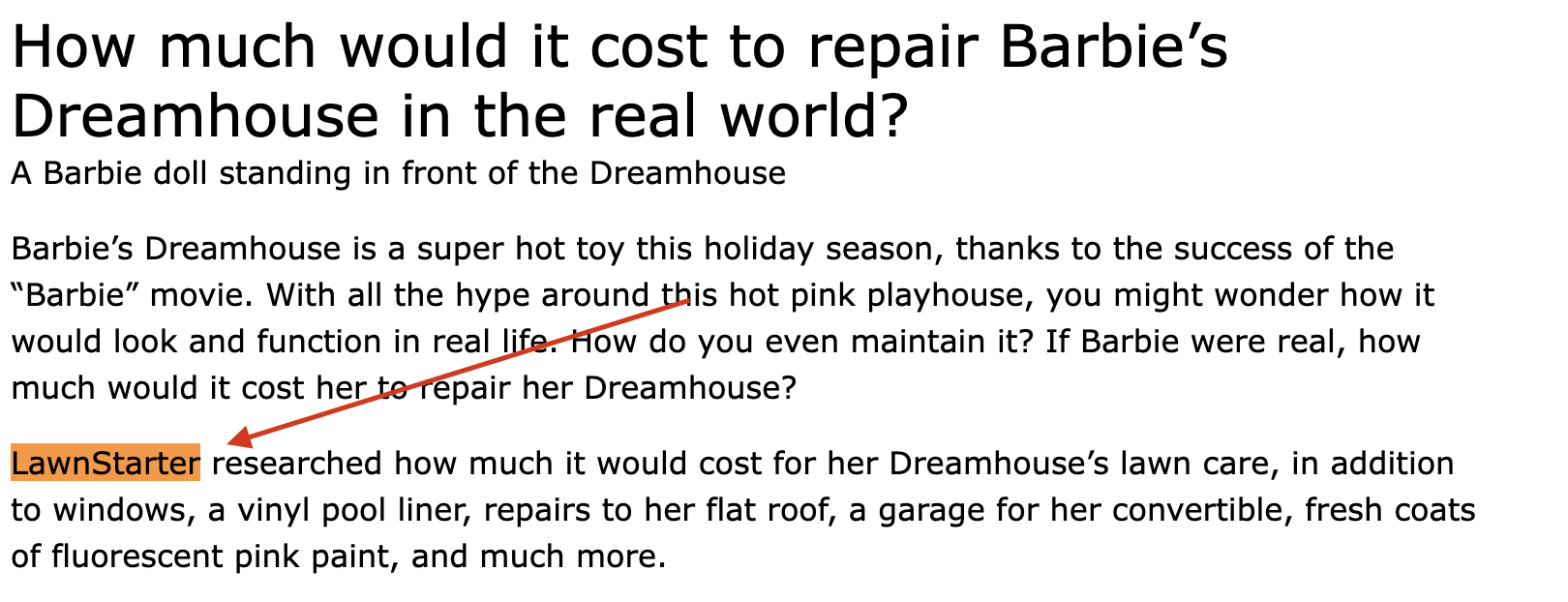
If you have time and a team clever enough to come up with ideas like this, digital PR can be a gold mine. But remember, you have to pay people to develop these ideas and pitch them to media outlets, and that can be costly. Great ideas can earn huge rewards, but there’s never a guarantee.
It’s usually easier to pay an outlet and work directly with them. Then, you know you’re getting a guaranteed link and delivering genuine value.
Podcast Link Building
Podcast link building is exactly what it sounds like, and it’s one of the most underrated tactics in 2026. You pitch yourself as a guest on industry podcasts, record a 30-60 minute interview, and the host publishes the episode with a transcript and show notes on their site. Your link sits in the show notes or inside the transcript (usually dofollow) on a page that’s already pulling traffic.
Aside from the link, podcast appearances also build serious brand recognition. A guest post gets skimmed by maybe a few hundred people who never associate your face or voice with the topic. A 45-minute podcast puts you in someone’s ears on their commute, at the gym, while they’re cooking dinner. By the end of the episode, they know your name, your company, and what you actually think.
Example of Podcast Link Building
I do podcasts all the time. It’s probably the most fun way to earn backlinks, because I genuinely enjoy talking to other people in the SEO industry.
Let me tell you: it’s not hard to get on podcasts. Podcasters are always looking for people to interview. It increases their credibility, and it gives them an easy way to fill 30 minutes or so.
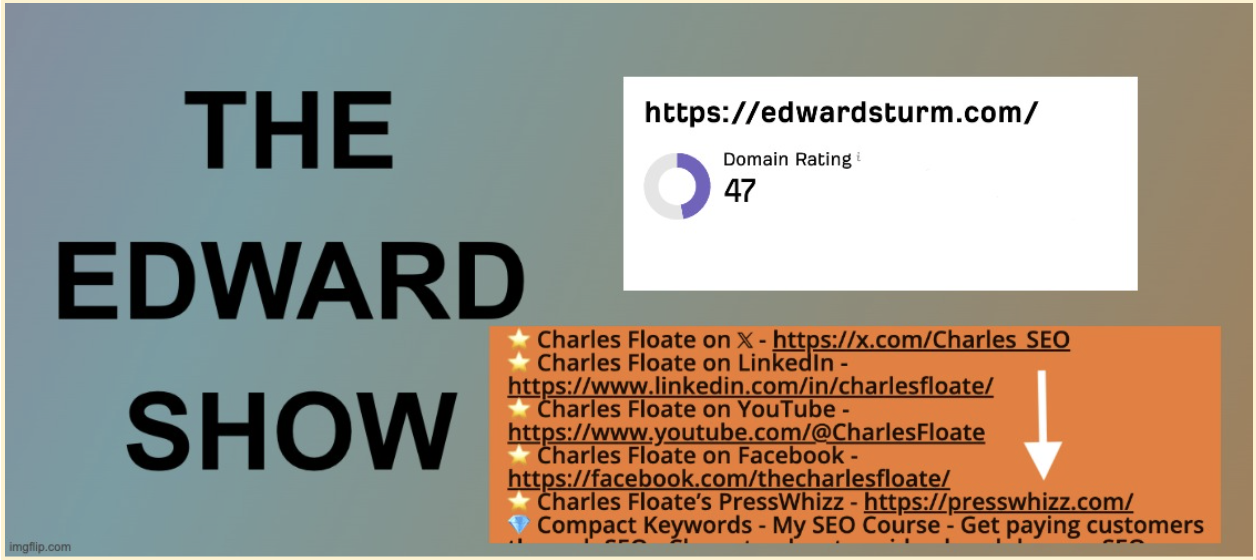
I did one a few months ago for The Edward Show. I had a great chat with another killer SEO and earned a DR 47 backlink. Boom.
Link Reclamation
Last up, we have link reclamation.
Link reclamation is a link building technique where you find unlinked brand mentions or broken links pointing to your site, then reach out to the site owner and ask them to either add the link or fix the broken one. Someone already wrote about your brand or linked to one of your old URLs, so the hard part (getting them to care about you) is already done.
I like to call this technique “profit recovery”.
Example of Link Reclamation
Again, I can’t show you any client site that we’ve done this for, so I’ll just walk you through how I’d do it.
Use Ahrefs Content Explorer to find lost links. Plug your domain into Site Explorer, click on Lost, and see what comes up:
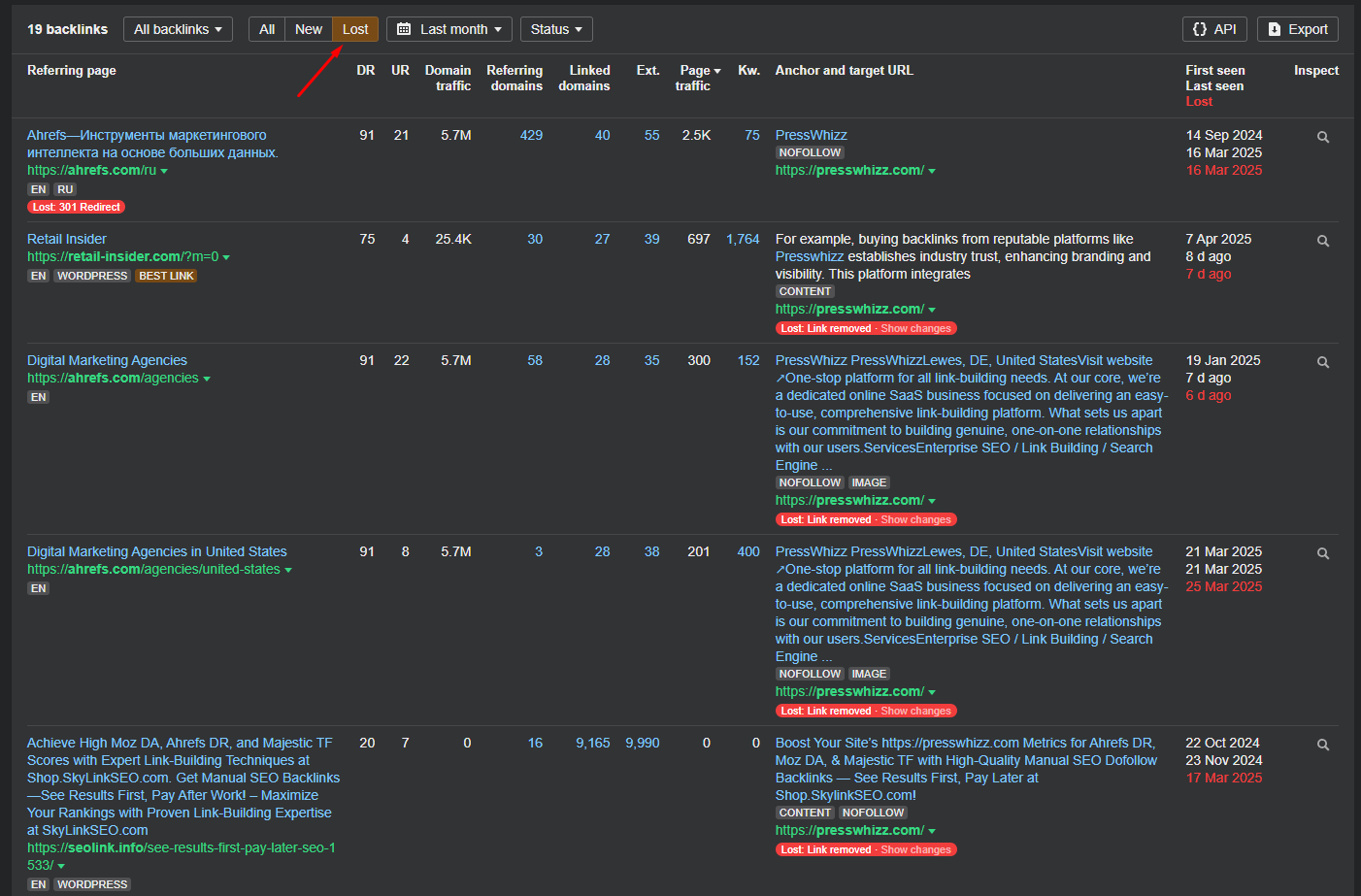
You can now see your link graveyard. It’s time to bring out the pitchforks. Contact them with a soft touch and gently ask for the link to be made live again. If they refuse, bring out the big guns (outing them on social media…drama!).
Final Thoughts
Despite being the world’s foremost black hat SEO expert, I love white hat link building. So, I hope you enjoyed my white hat link building strategies guide.
I love anything that improves my site’s (or my client’s) SEO. Black, white, grey, yellow, purple…I’ll wear any hat you want me to, so long as it works.
My issue all along has been Google’s outright lies on the topic and how it’s hurt so many well-meaning business owners and SEOs.
White hat link building requires major investment (press releases aren’t cheap), and manual outreach is a full time job that many businesses either can’t afford to hire help for or don’t have the time to do themselves.
My advice? Use a mix of black, grey, and white hat link building strategies. This is what I call money hat thinking.
I believe every site should be creating data studies, building free tools, and doing HARO outreach. But I also believe businesses should be buying guest posts, buying link insertions, and doing link swaps.
Again, whatever works.
The important thing is you build a link building campaign for your site that fits your budget, needs, and goals. And whatever you do, never listen to Google.
Good luck.
