

Welcome to PressWhizz’s complete guide to organic SEO.
If you’re here, you probably have questions about ranking organically in Google’s search results, such as:
- What is organic SEO?
- How can I rank my website in Google’s search engine results pages?
- Which organic techniques actually work?
- How is organic different from paid or local marketing?
- How does Google even determine rankings?
If that’s you, then this guide will answer all of your questions and more.
Our team of SEOs, link builders, and digital marketers has put together this comprehensive guide on organic search engine optimization to help you fully understand this topic.
By the end, you’ll know how organic works, why it’s important (even in the age of AI), our top strategies for ranking your website, a basic timeline, and a lot more.
Ready? Let’s begin.
What Is Organic SEO?
Organic SEO is the process of improving your website’s visibility in the results of Google, Bing, and other search engines as well as AI-powered search platforms. Unlike paid ads, where you pay to appear on Page 1, organic SEO focuses on earning traffic by creating valuable content, optimizing your website for search, engaging in link building, and building authority over time.
In case you’re new to this, here’s what the organic search results look like on Google:
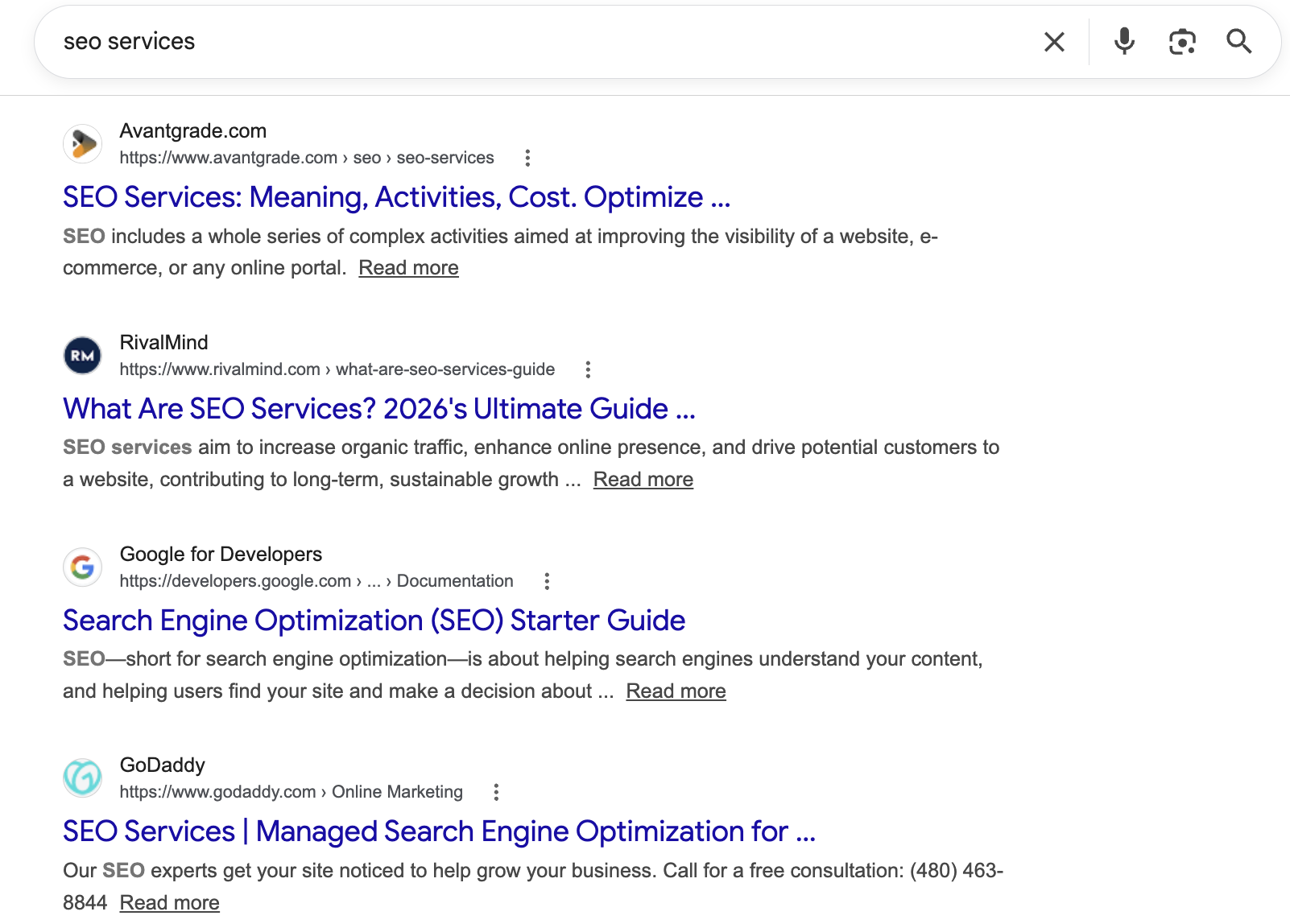
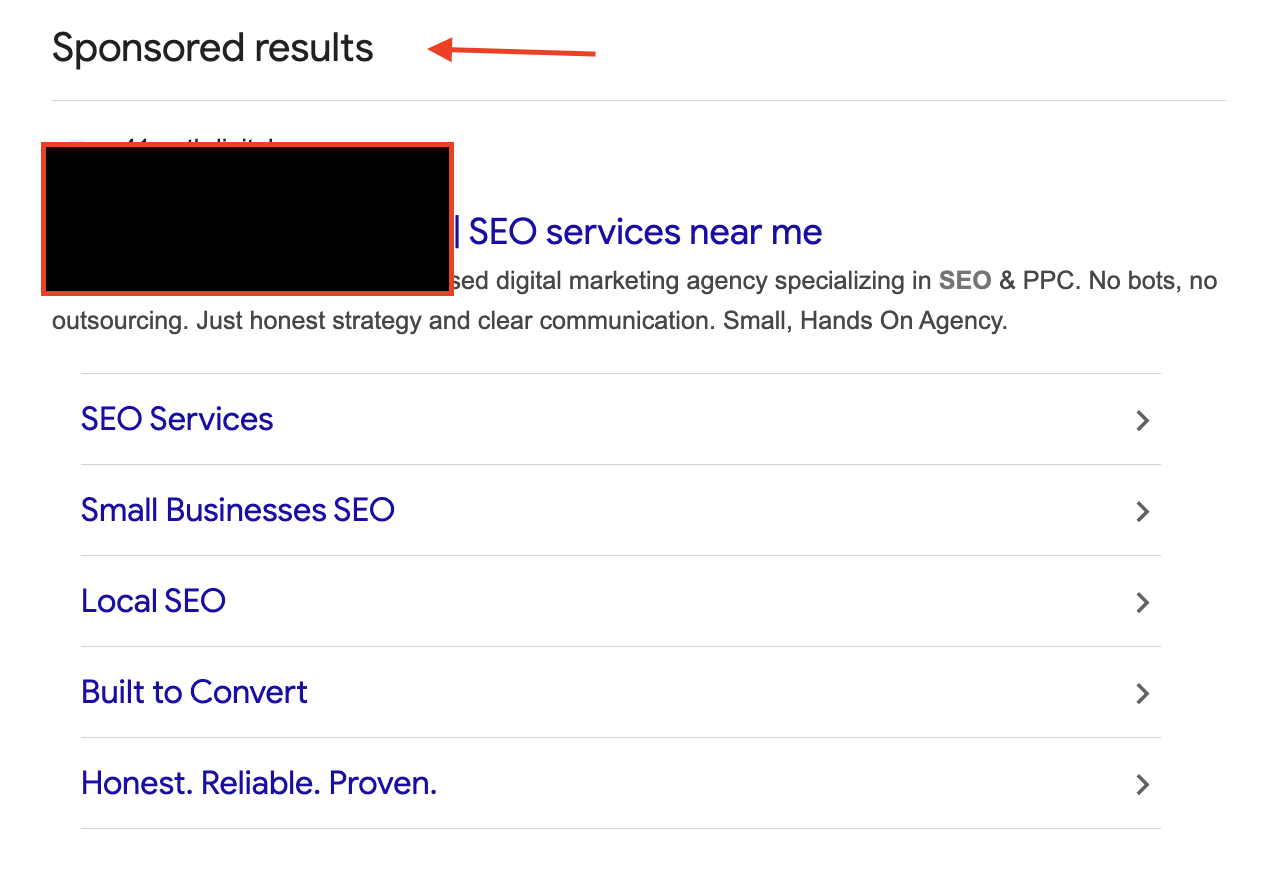
Note that there is no “sponsored” section here. That would indicate paid marketing. This is what the paid search results look like:
While organic SEO typically takes longer to see results than PPC, the long-term return is significantly higher because you continue receiving traffic so long as you maintain your search position (which requires ongoing maintenance).
And there is a lot of traffic to be had, even with the rise of AI. An Ahrefs.com page titled “107 SEO Statistics for 2026”, states the following stats about organic search:
- 63.41% of all US web traffic referrals come from Google
- The top 3 organic Google results receive 68.7% of all clicks on the search page
- The first organic Google result has an average CTR of 39.8%
- 96.6% of all Google search clicks go to results on the first page of results
Google processes trillions of searches per year, and nearly 97% of all search clicks go to the first page of results. And of those clicks that go to Page 1, the vast majority go to the top 3 positions.
See why organic search engine optimization is so important?
So, what do you need to do to rank at the top of Google organically? A successful organic SEO strategy combines multiple disciplines, including:
- Keyword research
- High-quality content creation
- On-page SEO
- Technical SEO
- Link building
- Internal linking
- User experience optimization
We will cover all of this much further down in the guide.
Here’s an example of our website’s current organic traffic, which has been built almost entirely through consistent SEO rather than paid advertising:
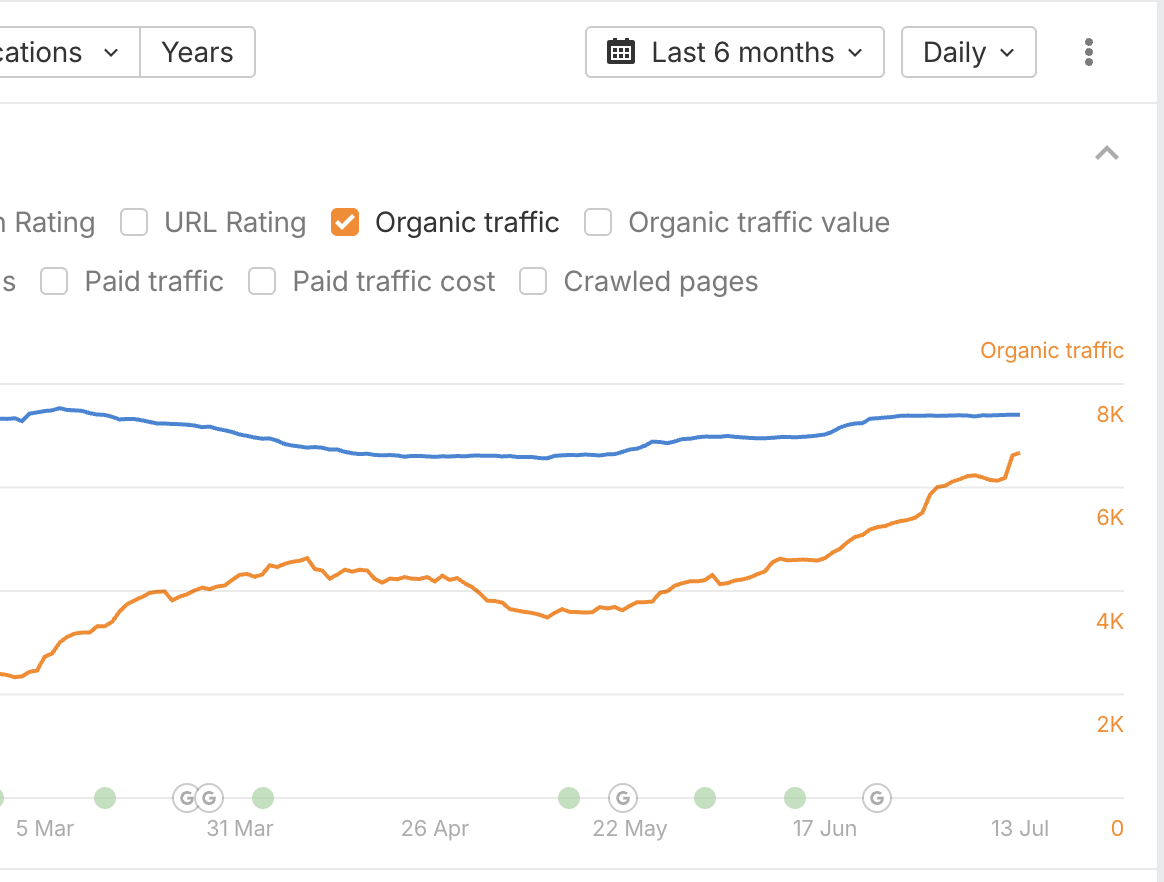
See the incredible value here? We are getting nearly 8,000 interested visitors to our website each month from Google, and we aren’t paying to be in the results!
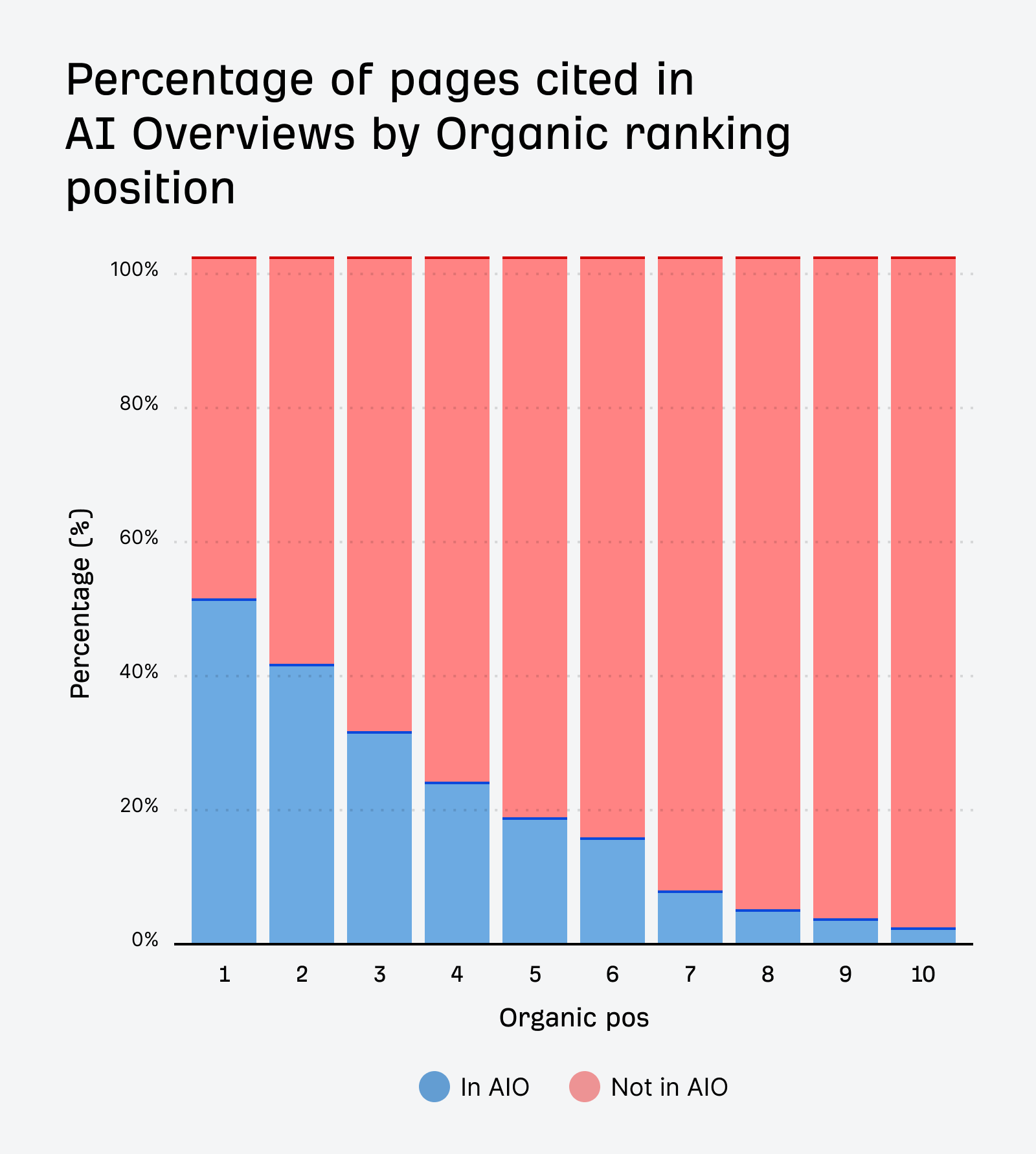
NOTE on AI and Organic Search: AI has transformed how people search, but Google still gets the lion’s share of users, AND Google organic rankings heavily affect AI citations. According to an Ahrefs.com study on their page, “Does Ranking Higher on Google Mean You’ll Get Cited in AI Overviews?”, LLMs cite the top ranking web pages more than others. Being cited in the top 10 resulted in a Spearman correlation of 0.347:
Organic vs. Paid SEO: What’s the Difference?
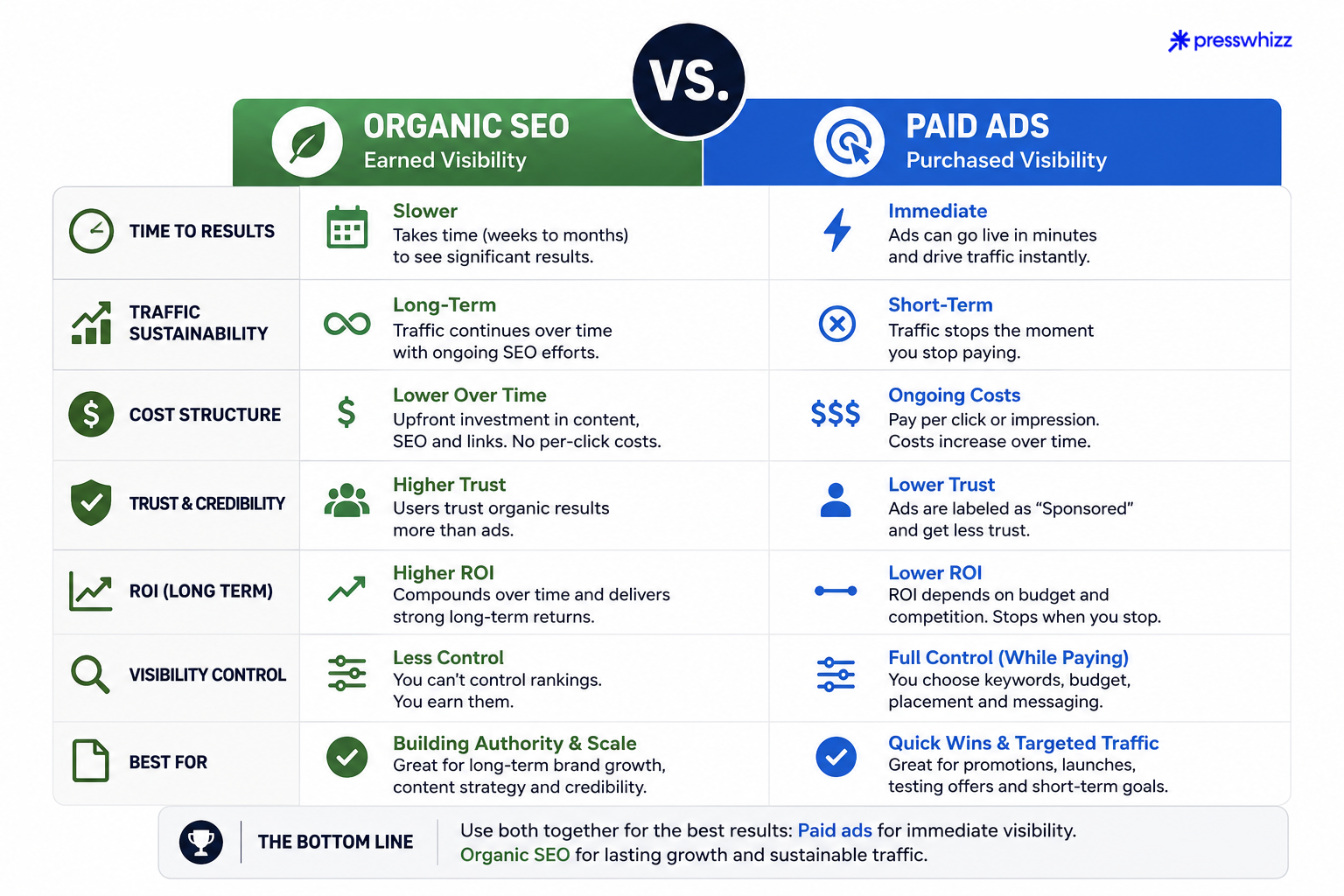
The main difference between organic and paid marketing is that organic SEO is earned through authority, content, and SEO, whereas paid SEO takes you straight to the top of the results via a bidding system.
With paid search ads, you go directly to the top of the Google results, but you need to pay to get there. You bid on keywords and pay every time someone clicks your ad. This is also known as pay-per-click (PPC) advertising.
Organic SEO, on the other hand, is about earning rankings by creating valuable content, optimizing your website, and building authority through high-quality backlinks.
Most successful businesses use both channels together: They use paid search to deliver instant visibility and “hot leads”, while organic SEO builds a sustainable source of traffic that compounds over time and typically provides a much stronger long-term return on investment.
My advice is to combine them both. Use PPC advertising for “buy now” commercial key terms, and use organic SEO for everything else.
What Are the Benefits of Organic SEO?
The benefits of organic SEO range from greater visibility to better user trust and higher-quality leads.
Let’s start with traffic and leads, since it matters most to your bottom line. Even in the age of AI, it’s common for brands to bring in tens of thousands of visitors via traditional Google search. And those visitors trust and interact with your brand much more than via paid search.
According to Searchengineland.com on their page Organic search traffic is down 2.5% YoY, new data shows, Organic results still generate roughly 10 times more clicks than paid placements.
And once you earn Page 1 rankings, they can continue generating leads, sales, and brand exposure for years with ongoing maintenance.
Some of the biggest benefits of organic SEO include:
- Greater brand visibility: When you consistently appear in the search results, consumers begin to recognize your brand. Better online visibility is perhaps the most important non-traffic benefit to organic SEO rankings.
- More credibility and trust: People will naturally begin to gravitate towards you more, because users trust organic search results.
- Higher-quality leads: Someone searching for purchasing-intent keywords or even top of the funnel content will trust someone who educates them more. This is targeted traffic you can’t get through any other means at this scale.
- Traffic that compounds over time: As your website’s ranking continues to grow, so will your traffic. It is like a snowball effect.
- Excellent long-term ROI: The best part about organic search is that you will continue to bring in high-value traffic for months or even years so long as you maintain rankings.
And, in case you are skeptical about how much traffic (and the value of that traffic) organic SEO can bring, here’s a screenshot of a tech business we’ve worked with in the past that’s bringing in nearly 450,000 visitors per month:
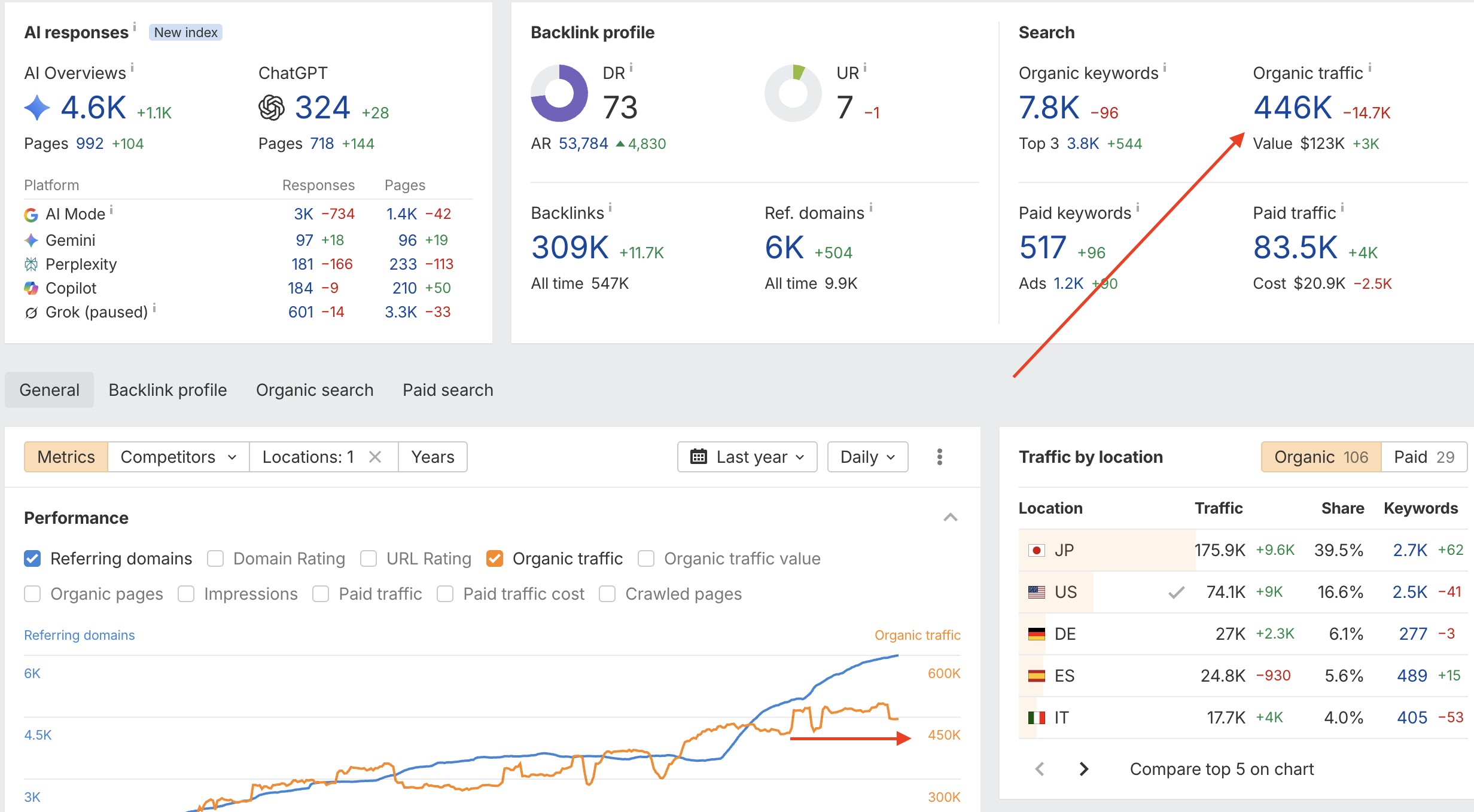
Yes, organic SEO is still very valuable.
How Organic SEO Works
Organic SEO works by matching web pages to a user’s query via an extremely sophisticated search algorithm that relies on hundreds of unique search ranking factors.
For example, if someone searches “buy niche edits” or “buy guest posts”, then Google searches its index to find relevant pages, then it uses its algorithm to rank them. It takes into account keywords, headings, website authority, links, user engagement, and a number of other signals.
But, at a high level, Google’s goal is simple: display the most helpful, trustworthy, and relevant results for every search.
Organic SEO is built around several core areas:
- Content: Create useful, comprehensive pages that satisfy search intent and answer users’ questions.
- Authority: Earn high-quality backlinks and brand mentions that signal trust and credibility.
- Technical SEO: Ensure your site is fast, mobile-friendly, secure, and easy for search engines to crawl and index.
- On-page SEO: Optimize titles, headings, internal links, images, and page structure to improve relevance.
- User experience: Make your website easy to navigate, engaging, and valuable for visitors.
When these elements work together, search engines are more likely to rank your pages higher, and that’s what leads to sustainable, long-term website traffic.
Organic SEO Strategies: 7 Strategies That Increase Organic Search Traffic
Organic SEO strategies focus on optimizing your web pages to be found and displayed by Google for relevant search queries by producing high-quality content, optimizing your technical SEO and site structure, and engaging in off-page SEO techniques, such as link building.
The main pillars of a successful SEO strategy are on-page, off-page, technical, and overall website authority.
Even though we are a link building marketplace that provides link building services, we still know quite a bit about organic SEO. We are all digital marketing professionals at heart.
So, in this section, our team will share with you some of our top organic SEO strategies for improving your rankings and driving more search traffic:
Keyword Research
Every successful organic SEO campaign starts with keyword research.
Keyword research allows you to identify the search terms your target audience is using and understand the intent behind those searches (so you know which type of page to display). You may have heard of this referred to as “building your topical map”.
Here’s an example of a keyword we want to rank for: Casino backlinks. If we want to rank for this term, we need to check it out in Ahrefs Keyword Explorer:
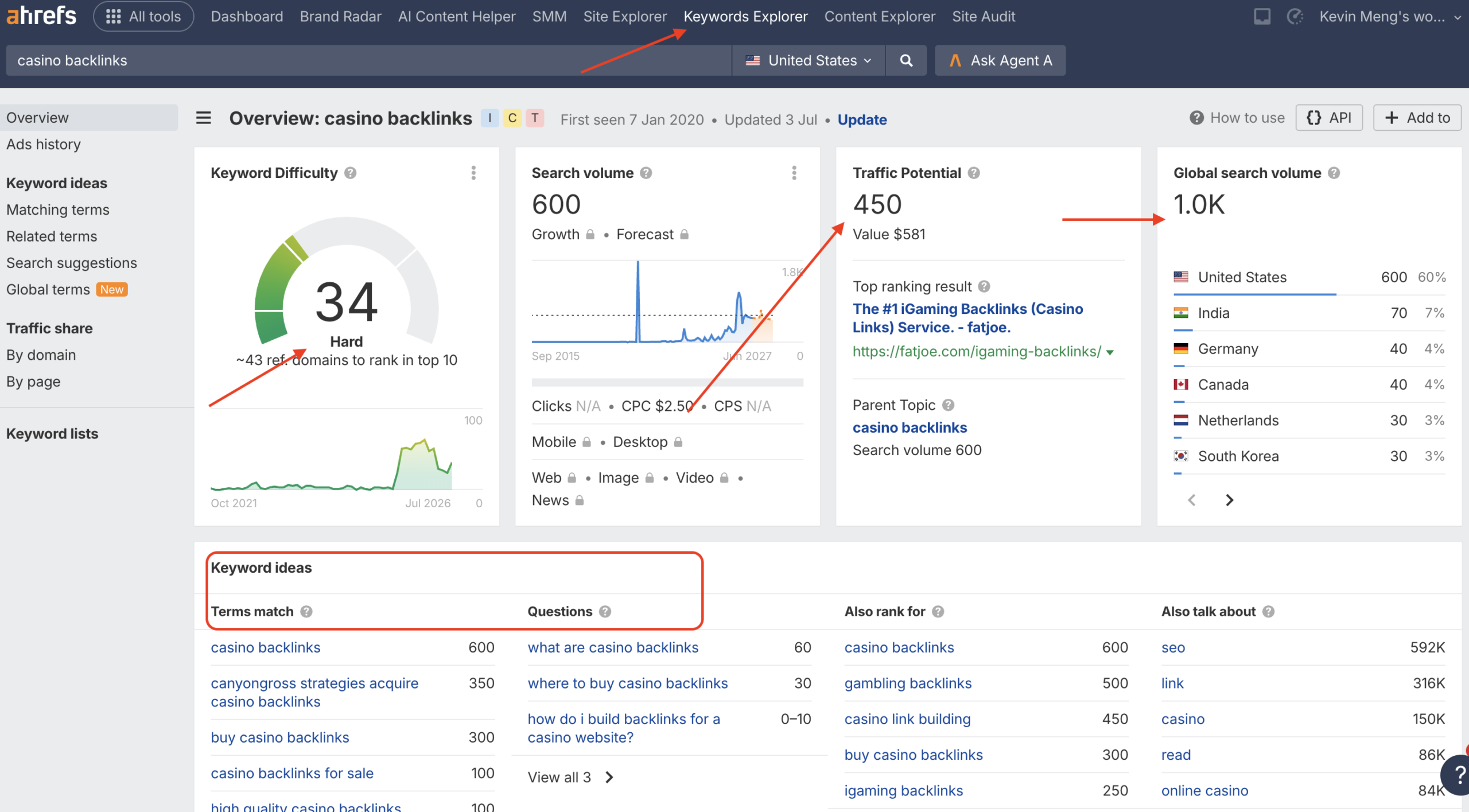
With this SEO tool, you can see how hard the term is to rank for, search volume, location, and other key organic ranking data. It’s incredible.
Google prioritizes pages that best satisfy search intent, whether users are looking to learn something, compare options, or make a purchase. So you need to nail this.
We could write an entire book on keyword research, but to sum it up, here are the most important factors:
- Search intent: Analyze each keyword and determine whether it is informational, commercial, branded, or navigational.
- Use free and paid tools: I recommend using a mix of Ahrefs, Google Keyword Planner, and SEMrush to do deep keyword research.
- Focus on long-tail keywords: You want to rank for high volume, commercial keywords for sure. But don’t forget to look at long-tail variations as well, such as “how to unclog a drain” instead of just “plumber near me”.
High-Quality Content
High-quality content is one of the most important factors in organic SEO because search engines want to rank pages that provide the best possible answer to a user’s query. Creating content that genuinely helps readers builds trust, increases engagement, and improves your chances of ranking for valuable keywords over the long term.
Here are the most important factors that determine SEO content quality:
- Matching keywords and search intent: You want pages that answer exactly what users are looking for AND add value on top of that. Whatever your competitors are doing, you need to do more.
- Comprehensive topical coverage: Make sure your content addresses related questions and subtopics.
- Reader engagement: Pages with better user engagement will rank better in the long run. You can improve engagement through clear writing, logical structure, a tone that matches the topic, images, and useful examples.
Before we move on, I want you to understand that Google has become increasingly sophisticated at evaluating content quality.
Modern algorithms analyze far more than keywords.
Google now looks at signals that indicate whether a page is genuinely useful and authoritative.
This includes natural keyword placement, entity coverage, semantic relevance, formatting with clear headings and lists, comprehensive topical coverage, original information gain, and an overall page structure that makes it easy to skim.
TL;DR: Write good content!
On-Page Optimization
On-page optimization is the process of optimizing the individual elements of a webpage to help search engines understand its topic and improve the user experience. While high-quality content focuses on what you write, on-page SEO focuses on how that content is structured and presented.
On-page SEO includes optimizing the visible content as well as the HTML elements that influence how a page is crawled, indexed, and ranked. A well-optimized page makes it easier for Google to understand its relevance while also making the content easier for visitors to read and navigate.
Key elements of on-page optimization include:
- Title tags and meta descriptions: Write these to accurately describe the page and encourage clicks.
- Headings (H1-H6): Use heading tags to create a logical hierarchy. A logical hierarchy organizes your content and makes it easy to scan.
- Strategic keyword placement: Work your keywords throughout titles, headings, URLs, image alt text, and body copy.
- Internal links: These connect related pages and help distribute authority across your website.
- External links: Link out to authoritative sources where they add value and context.
- URL structure: Keep your URLs clean, descriptive, and easy to understand.
- Content formatting: Use short paragraphs, bullet points, tables, and images to improve readability.
Did You Know?: In SEMrush’s most recent Google ranking factors study titled “Ranking Factors”, on-page SEO metrics such as content quality score, keyword coverage, time on site, URL keyword similarity, and title keyword similarity were all in the top 20 ranking factors. On-page still matters.
Technical SEO
Technical SEO focuses on optimizing your website’s infrastructure so search engines can efficiently crawl, index, and understand your pages. Even the best content may struggle to rank if technical issues prevent search engines from accessing it properly.
A technically sound website also provides a better experience for visitors, which can indirectly support SEO performance. You don’t want visitors consistently finding dead pages, broken links, or other technical problems.
Technical SEO factors include:
- Fast page loading speeds
- Mobile-friendly design
- Secure HTTPS encryption
- XML sitemaps and robots.txt optimization
- Fixing crawl and indexation issues
- Structured data (schema markup)
- Clean site architecture and URL structure
- Resolving broken links and duplicate content
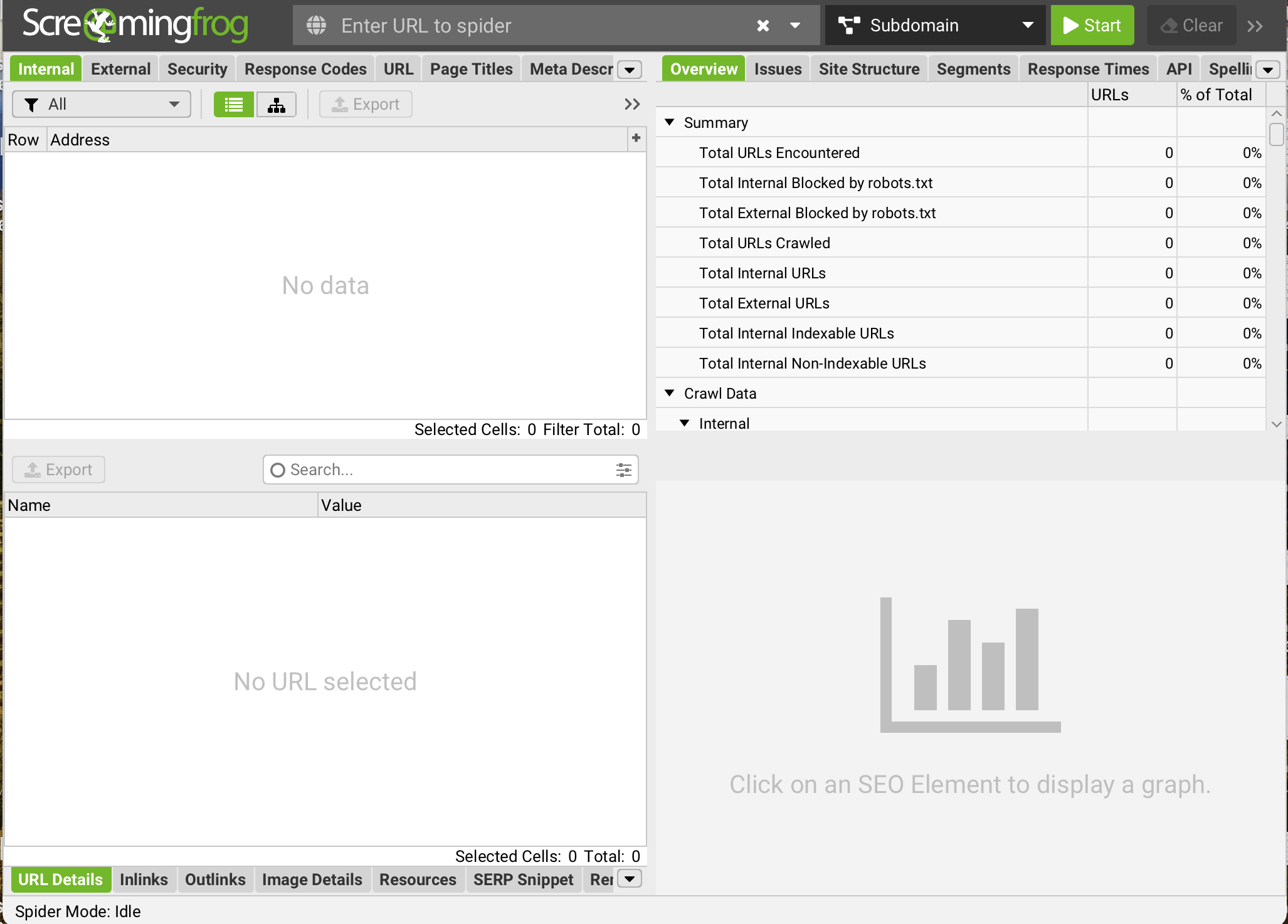
My #1 recommendation for technical SEO is Screaming Frog, an SEO tool that can audit your web pages, meta titles, heading tags, reading level, and internal linking architecture to give you a full picture of how your website is performing and what you can do to fix it:
Link Building (Off-Page SEO)
Link building, often referred to as off-page SEO, is one of the most important organic SEO strategies.
Let’s cover some basics of link building before we get into more important things.
A backlink is a hyperlink from another website pointing to yours.
Why are backlinks important for SEO? Because each high-quality backlink acts as a vote of confidence that other websites trust your content, which helps search engines evaluate your site’s authority and rank you higher in the search results.
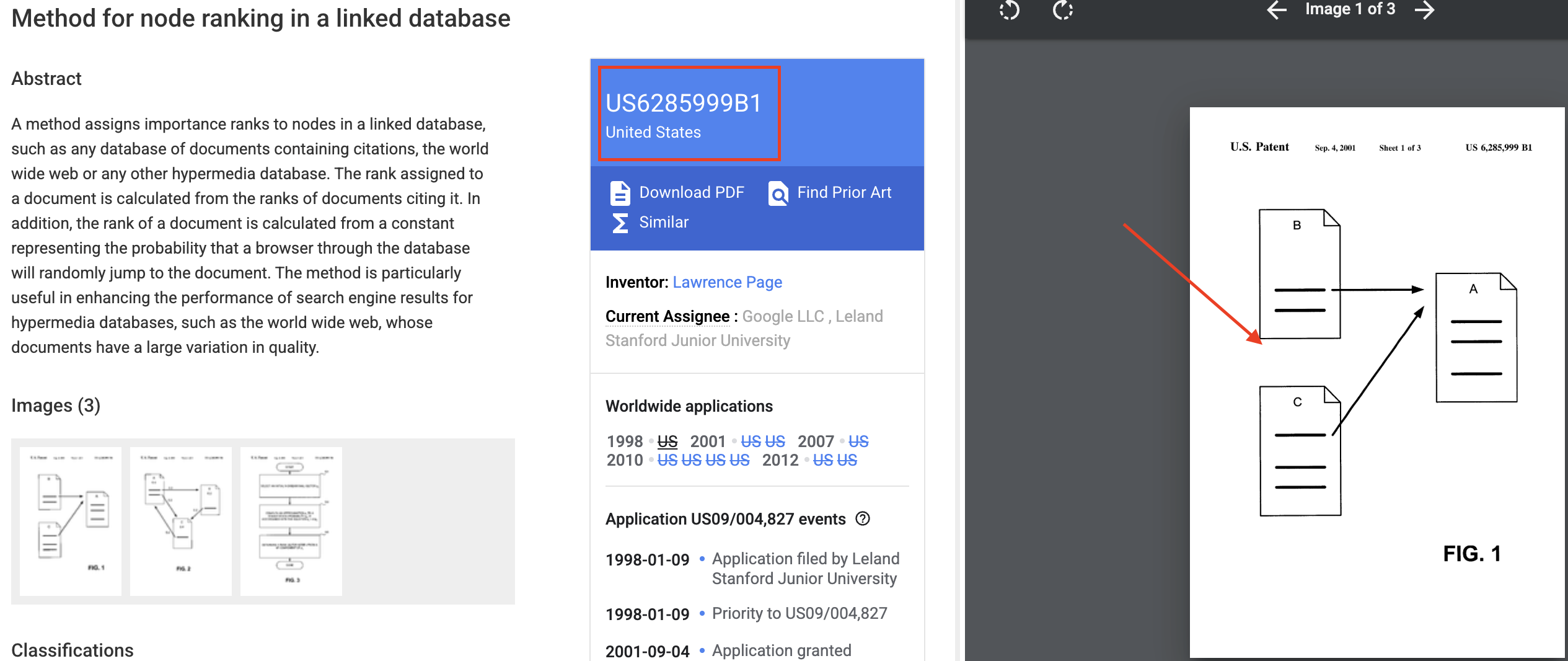
Google has a patent on a ranking system known as PageRank. PageRank more or less works like this:
Google determines rankings of a web page based on the quantity and quality of the web pages that link to it.
Again, this is a fact. Here is the patent:
Although Google uses hundreds of ranking signals, backlinks are without a doubt one of, if not THE, most important ranking factors.
This is supported by years of industry correlation studies, real-world SEO testing, and information revealed during Google’s U.S. antitrust trial, which highlighted the continued importance of popularity and authority signals within Google’s ranking systems.
While links alone won’t guarantee rankings, it’s extremely difficult to compete for valuable, competitive keywords without a strong backlink profile. That’s why so many businesses outsource link building in order to get the best possible links.
There are many legitimate ways to acquire backlinks, including:
- Cold outreach: Contact relevant websites and bloggers to secure editorial links.
- Broken link building: Replace dead resources with your own high-quality content.
- Digital PR: Create newsworthy campaigns that earn coverage from authoritative publications. Digital PR backlinks are some of the most valuable types of links in all of SEO.
- Guest posting: Contribute valuable content to reputable websites within your niche.
- Link building services: Work with experienced providers to secure high-quality editorial placements.
- Linkable assets: Publish original research, free tools, statistics, or comprehensive guides that naturally attract links.
So, how many links do you need? It’s different for every website. It depends on how old your site is, your competition, and your goals. We suggest starting small and slowly growing from there.
Note: There’s a difference between black hat link building strategies and white hat link building strategies. Black hat tactics go against Google’s webmaster guidelines while white hat ones are considered “Google safe”. Ironically, the answer is not black or white in this case. Read up to find out what we think is best. If you do decide to purchase links, then make sure you know how to buy backlinks the right way before you do.
Improve Your Topical Authority
Topical authority is the process of building expertise around a specific subject by creating comprehensive content that covers every important aspect of a topic. Years ago, many SEOs focused on ranking individual keywords, creating one page for each search term and moving on to the next. Sorry, those days are gone.
Today, Google places much more emphasis on how well a website covers an entire subject. Instead of publishing standalone articles, you should build related pages that answer different questions and naturally link them together.
This is not just conjecture or simply my opinion. Let’s go back to the US Patent Office.
Google has patented systems such as Identifying Topical Entities (US10068022B2), which describes identifying the primary topics and entities of webpages. It also has other search-related patents like Producing Topical Authority Ranking (US20210004416A1), which describes calculating topical authority at the website level. Although patents don’t prove exactly how Google’s algorithm works, they reinforce the idea that covering a topic comprehensively improves your search engine rankings.
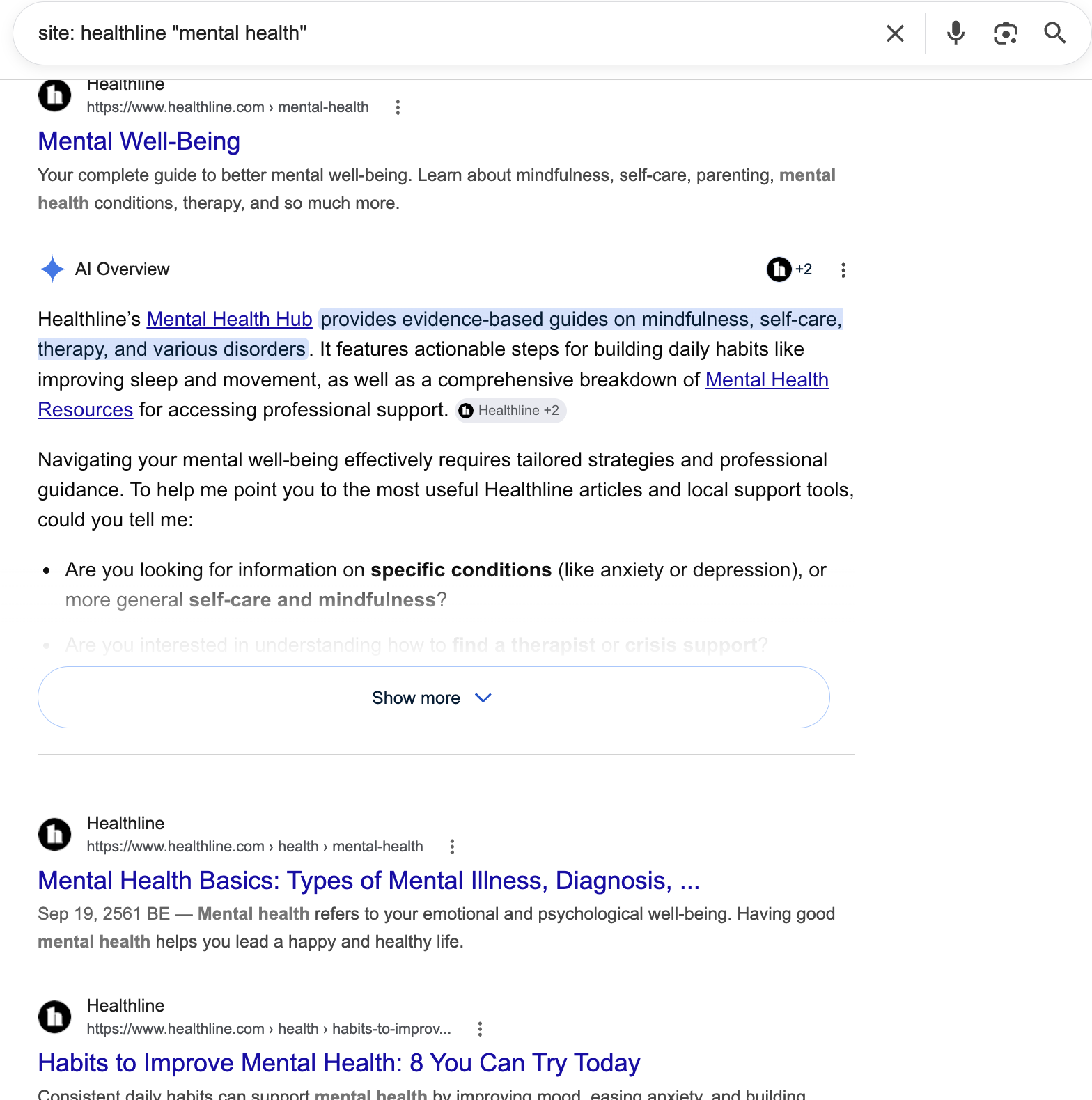
Look at a website like Healthline. They cover every health topic in as much depth as possible, such as this example around mental health:
As you expand your topical coverage, your site can begin ranking for a much wider range of related keywords, not just your primary targets. Over time, comprehensive coverage makes it easier for new content to rank, strengthens your authority within your niche, and drives sustainable organic growth.
Pro Tip: One of the best ways to improve your organic traffic is by building editorial backlinks from high-authority publications. You can do this by creating linkable assets, buying links, or reaching out to news outlets and pitching original stories, data, or other newsworthy pieces of content.
Internal Links
Internal linking is when you link one page on your website to another. That’s pretty straightforward.
It helps search engines crawl your site more efficiently, understand how your content is connected, and pass authority from stronger pages to newer or less authoritative ones. The question is: why link pages together?
Well, it’s because it makes it easier for Google to understand which pages are most important and how they fit together.
If you don’t use internal links properly, valuable pages can end up buried deep within your site or become orphan pages that are impossible for search engines to find. They also miss out on authority that could help them rank higher, because high-ranking pages can pass authority to lower ranking ones.
Don’t overcomplicate this. Just link your pages together!
How to Improve Your Organic SEO (Quick Tips)
I know we just covered organic SEO strategies, but I want to give you a few more quick tips for improving your organic SEO results. These aren’t the techniques or “pillars” themselves.
They are just some quick and easy tips for bringing in even more traffic to your website:
- Set a keyword strategy and target user intent: Research keywords (search volume, difficulty, and traffic potential), map them to the four intent types (informational, transactional, navigational, and commercial), and target one primary keyword phrase per page.
- Optimize titles, URLs, meta descriptions, and header tags: Use one H1 with the primary keyword, structure sections with H2/H3s, and write compelling meta descriptions that boost click-through rates.
- Optimize for featured snippets and AI overviews: Structure content to directly answer who/what/where/when/why/how questions to capture snippets and “People also ask,” and place clear, tested calls-to-action to drive engagement.
- Minimize outbound linking: You can reference authoritative sources of knowledge online, but be aware that external linking dilutes your internal PageRank equity. Keep it to a minimum.
- Optimize images: Use descriptive file names and alt text with relevant keywords, compress images for speed, and host them on your own domain.
- Track metrics and refine continuously: Use Google Analytics, Search Console, Ahrefs, or Moz to monitor rankings, traffic, and your backlink profile at least monthly, then optimize based on the data.
Local SEO vs. Organic SEO
The main difference between local SEO and organic SEO is the audience you’re trying to reach.
Organic SEO focuses on improving your website’s rankings for searches regardless of location, so I recommend it for national businesses, eCommerce companies, or people selling services online.
Local SEO, on the other hand, is designed to help businesses appear in searches from people nearby, with a strong focus on the Google Map Pack, Google Business Profile, local SEO link building, local citations, and customer reviews.
If you own a local business such as a restaurant, law firm, dental practice, or plumbing company, local SEO should be a priority because it helps you attract potential customers in your service area. Businesses that operate nationally, such as eCommerce stores, SaaS companies, or online publishers, will benefit more from traditional organic SEO.
My advice? If you’re a brick-and-mortar business, the best approach is to invest in both. Local SEO helps you capture nearby customers searching for your services, and organic SEO builds your website’s authority, which helps you to rank for a wider range of valuable keywords over the long term.
Again, SEO is an ecosystem. It all works together.
How Long Does Organic SEO Take to See Results?
SEO usually takes 3 to 6 months to start seeing meaningful improvements in rankings and organic traffic, while more competitive industries can take 6 to 12 months or longer.
The exact timeline depends on several factors, including your SEO experience, budget, the competitiveness of your industry, your website’s existing authority, and how consistently you implement your strategy.
We hear this question almost daily from customers at PressWhizz. It’s something like “how long before I rank on Page 1?”. If I knew the answer, I would be a billionaire. The truth is that in SEO, it always depends.
However, we can build out a rough timeline based on our experience.
A typical SEO timeline looks something like this:
- Months 1-2 – Foundation: This is when you do keyword research, fix technical SEO issues, optimize existing pages, and build a content plan. You may see some pages get indexed or minor ranking improvements, but traffic usually remains fairly stable.
- Months 3-4 – Early Progress: Google begins crawling and evaluating your changes. New content starts ranking, existing pages may move up the search results, and you’ll often notice your first increase in impressions, rankings, and organic traffic.
- Months 5-6 – Growth: As you continue publishing content, improving your website, and building backlinks, your site’s authority starts to grow. Rankings become more stable, and competitive keywords begin moving onto the first page.
- Months 6-12 – Compounding Results: SEO starts to snowball. Strong content, backlinks, and topical authority reinforce one another, making it easier for new pages to rank. This is where many businesses begin seeing consistent traffic growth, leads, and revenue from organic search.
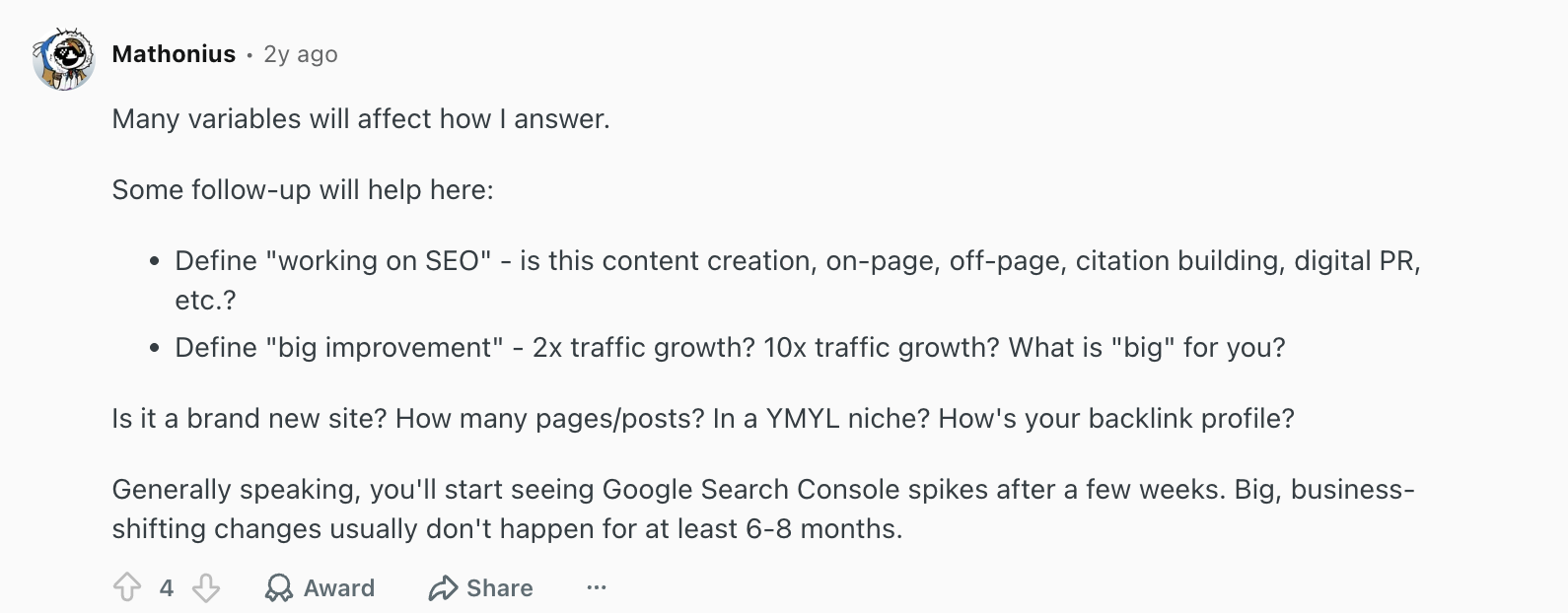
Here’s an interesting answer on a Reddit thread (believe it or not) on the topic of how long it takes to see SEO results:
What Are the Challenges of Scaling Organic Traffic With SEO?
Scaling organic traffic with SEO is not easy, and some of the key challenges are resource constraints, earning high-quality backlinks consistently, adapting to Google updates, and regularly publishing content.
As your website grows, so does the complexity of managing content, technical SEO, and your backlink profile.
At the same time, search itself is changing, with AI overviews and other SERP features reducing clicks for many queries, even when rankings remain the same.
Some of the biggest challenges include:
- Maintaining content quality: Producing useful, original content at scale without sacrificing quality.
- Building topical authority: Organizing content into logical topic clusters instead of creating overlapping pages that compete with each other.
- Earning backlinks: Growing your site’s authority consistently in increasingly competitive markets.
- Managing technical SEO: Preventing crawl issues, broken pages, duplicate content, and index bloat as your website expands.
- Adapting to Google updates: Search algorithms change regularly, meaning rankings can fluctuate even if you haven’t changed your site.
- Navigating AI search: AI overviews and other SERP features are reducing click-through rates for many informational searches.
- Scaling resources: SEO requires ongoing investment in content, technical improvements, and link building, all of which become more demanding as your website grows.
Again, this is why so many companies outsource link building or other SEO tasks. It is a full-time job just acquiring links for a large business.
Final Thoughts
It’s impossible to overstate the importance of organic search rankings.
Even with the rise of AI, organic search can still send your website tens of thousands of interested customers per month or more. And organic Google rankings also heavily influence AI citations.
Do not let social media warriors or AI pundits confuse you. Just look at the data. Businesses of all sizes are bringing in thousands of visitors or more per month from Google search.
All you need to do is get the main pillars of SEO down properly, and you will begin to see results. Build high-quality backlinks, create good content, make sure your technical SEO is on point, and build your topical authority.
That’s how you get results in modern SEO.
My only advice from here is that you invest in optimizing your systems, because SEO now is a systems and scale game more than anything. Nail your keyword research, then build out content and link building systems to scale your business.
Good luck
– Dusan Novakovic