

Is link building dead? No. Link building is not dead. Links are still one of Google’s most important ranking signals, and there is definitive SEO proof that stronger backlink profiles correlate with higher Google rankings, AI Overview citations, and even LLM mentions.
But you’re here because you heard that link building is dead from SEO influencers.
Maybe they said that backlinks are not a top 3 ranking factor in Google anymore or that “links don’t matter” for AISEO, AEO, GEO, or whatever acronym they are using for optimizing for AI these days.
Welcome.
No, link building is not dead, but it has changed.
Acquiring links is no longer about purchasing the highest Domain Rating possible or blasting your site with link farm spam. That type of link building is dead.
It seems like every other day someone declares link building dead. Then someone from Google says links matter less than they used to, the quote catches like wildfire on SEO Twitter, and we have the same debate all over again.
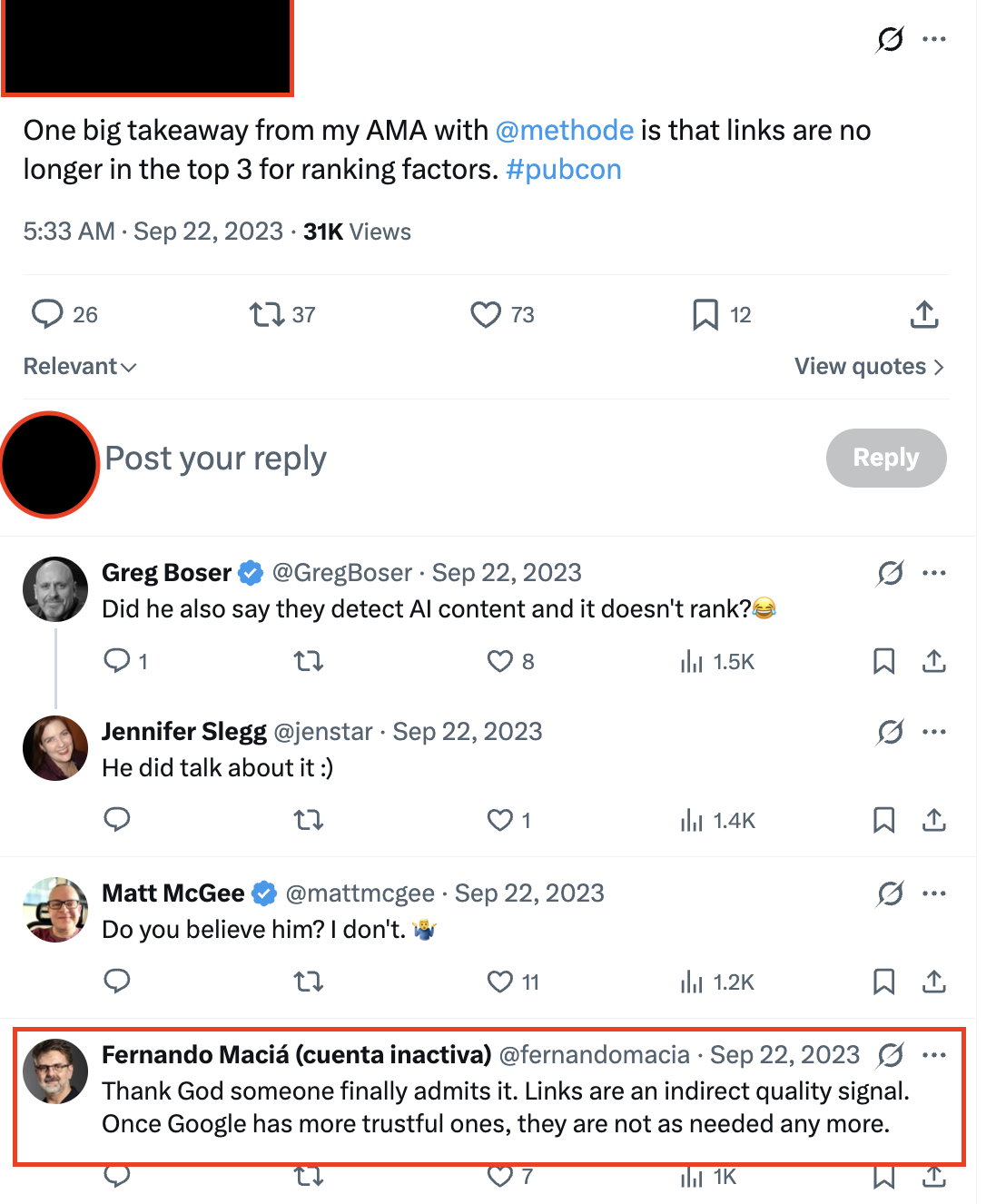
This is still happening to this day in 2026.
We have definitive data that proves link building is more important in 2026 for search engine optimization AND AIO/GEO straight from our link building marketplace.
Our link building statistics show that backlinks and referring domains continue to correlate with search performance, and our link building pricing report shows that SEOs have bought tens of thousands of links over the past few months. They’re spending that money for good reason.
In this guide, we’ll look at whether backlinks still matter in 2026, the data and case studies behind them, why links still work, what’s changed, which old tactics are dying, which link-building strategies still work, and how AI is changing the value of links and brand mentions.
Do Backlinks Still Matter in 2026?
Yes, backlinks still matter in 2026 because backlinks are a top 3 Google ranking factor and they help Google determine the authority and importance of a page relative to other pages competing for the same search results.
This is not my opinion. This is an SEO fact. We will provide plenty of data on the importance of backlinks for SEO throughout this article, but let’s start at the very foundation of Google: PageRank.
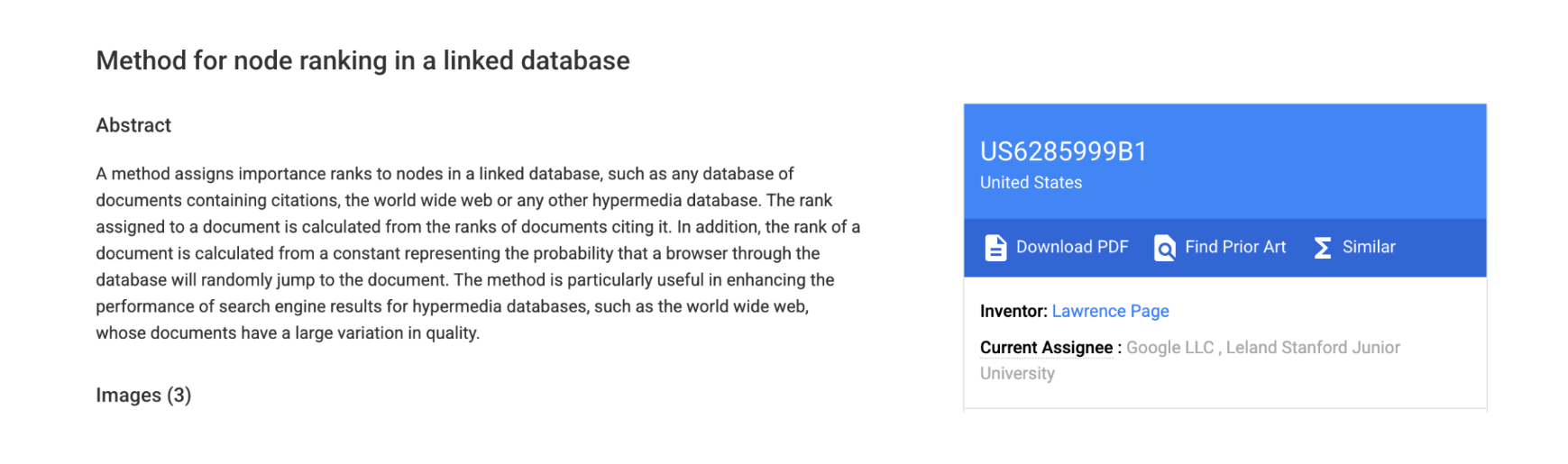
PageRank essentially says “the importance of a document is determined by the rank of documents citing it”. Google has a patent on this ranking system entitled “method for node ranking in a linked database”.
There are also plenty of data studies that back up the importance of backlinks for SEO.
Backlinko’s analysis of 11.8 million Google search results on their page “We analyzed 11.8 Million Google Search Results. Here’s What We Learned About SEO” found that the #1 result had 3.8x more backlinks than pages ranking in positions #2–10, while the number of referring domains also correlated with higher rankings.
In simpler terms: Sites with a lot of backlinks tend to rank above sites without a lot of backlinks.
Related Reading: Yes, backlinks still work. And yes, you should still buy backlinks to help your SEO. But you need to do it the right way. Check out our guide on how to buy backlinks to make sure you do it safely and avoid penalties or wasting your budget.
So, links clearly still have value. But to fully understand why, we need to look at whether backlinks are still part of Google’s ranking systems.
Are Backlinks Still a Google Ranking Factor?
Yes, backlinks are still a Google ranking factor in 2026. Google explicitly lists link analysis systems and PageRank among its core ranking systems. And a recent study by Search Engine Land titled Google’s top ranking factors according to 131 SEOs placed them second in overall importance.
Allow me to explain…
Google uses multiple systems to understand how pages link to each other, what those pages are about, and which pages may be most useful for a search query. PageRank (what we covered before) itself has changed since Google launched, but Google confirms that it remains part of its core ranking systems.
Google also has another patent called Reasonable Surfer. Reasonable Surfer describes a system where links receive different weights based on factors associated with the link and its placement. A prominent contextual link will be treated differently from a boilerplate link or a link that users are unlikely to click.
There’s also this study from Signal.Zyppy.com that analyzed 13,000+ ranking-factor data points and concluded that relevant backlinks from high-authority sites correlated with better SEO rankings:
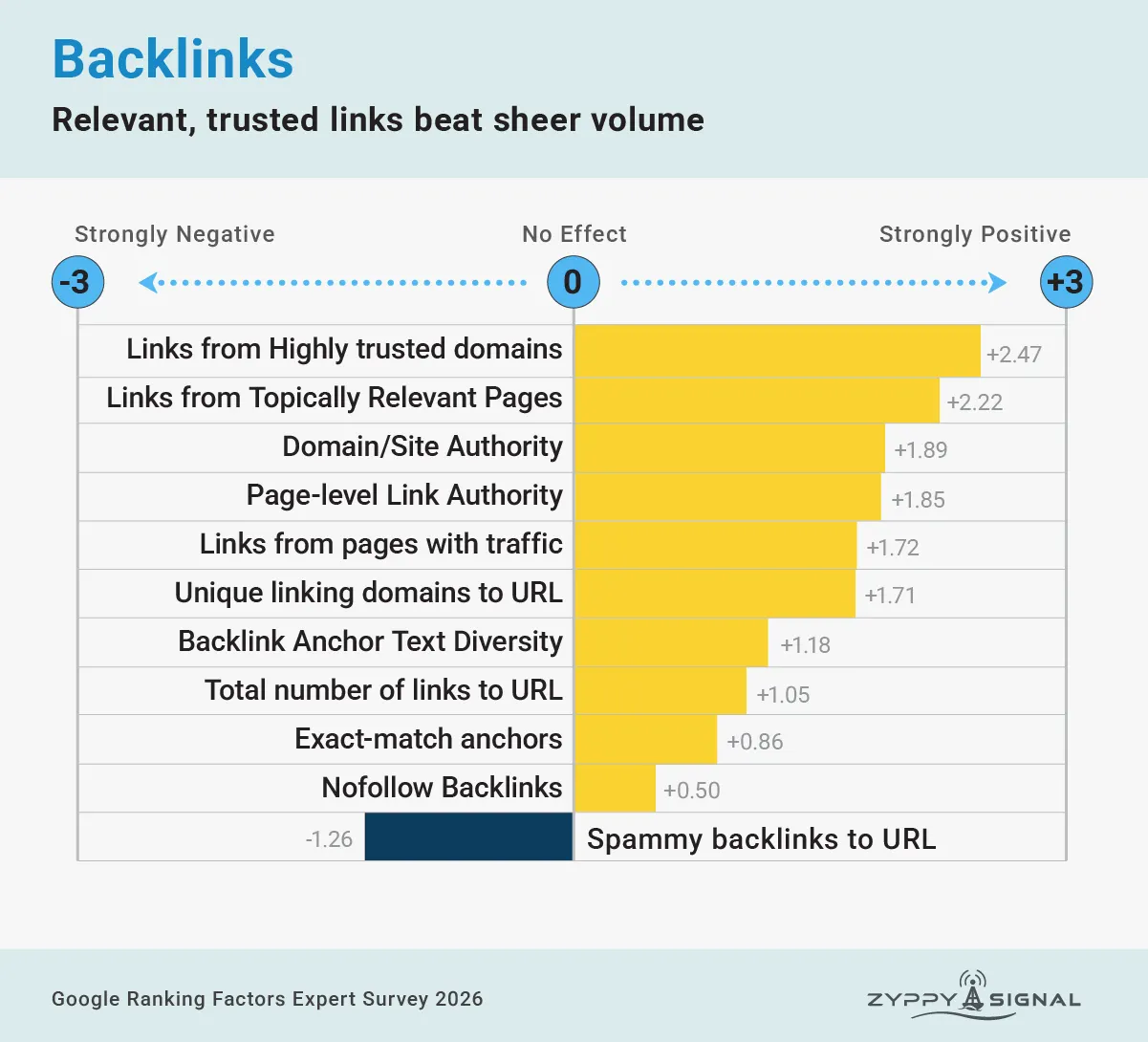
Source: Zyppy
So let me summarize:
- Studies confirm links matter
- Google has patents on backlinks and their effect on search
- Our own data (we will cover soon) shows they matter
- SEOs who do this for a living say they matter
The question in 2026 isn’t whether backlinks count. It’s which backlinks actually count enough to move rankings. You don’t want irrelevant links or poor-quality links. Link quality matters more than ever for digital marketing (again, I’ll cover this more below).
I’ll cover all of the important things about building the right types of backlinks later. For now, let’s look at more stats and case studies proving why links are so important.
Link Building Statistics That Prove Link Building Is Not Dead
At PressWhizz, we only care about one thing: data. Opinion is useless. Everyone has an opinion. 50% are wrong and the other 50% are lies to prevent you from competing with the person who gave you that opinion.
With that in mind, let’s cover some major studies on whether or not link building matters for SEO.
The #1 Google Result Has 3.8x More Backlinks Than Positions #2–10
We’ve covered this already, but it must be repeated. Backlinko analyzed 11.8 million Google search results and found that the #1 result had an average of 3.8x more backlinks than pages ranking in positions #2–10.
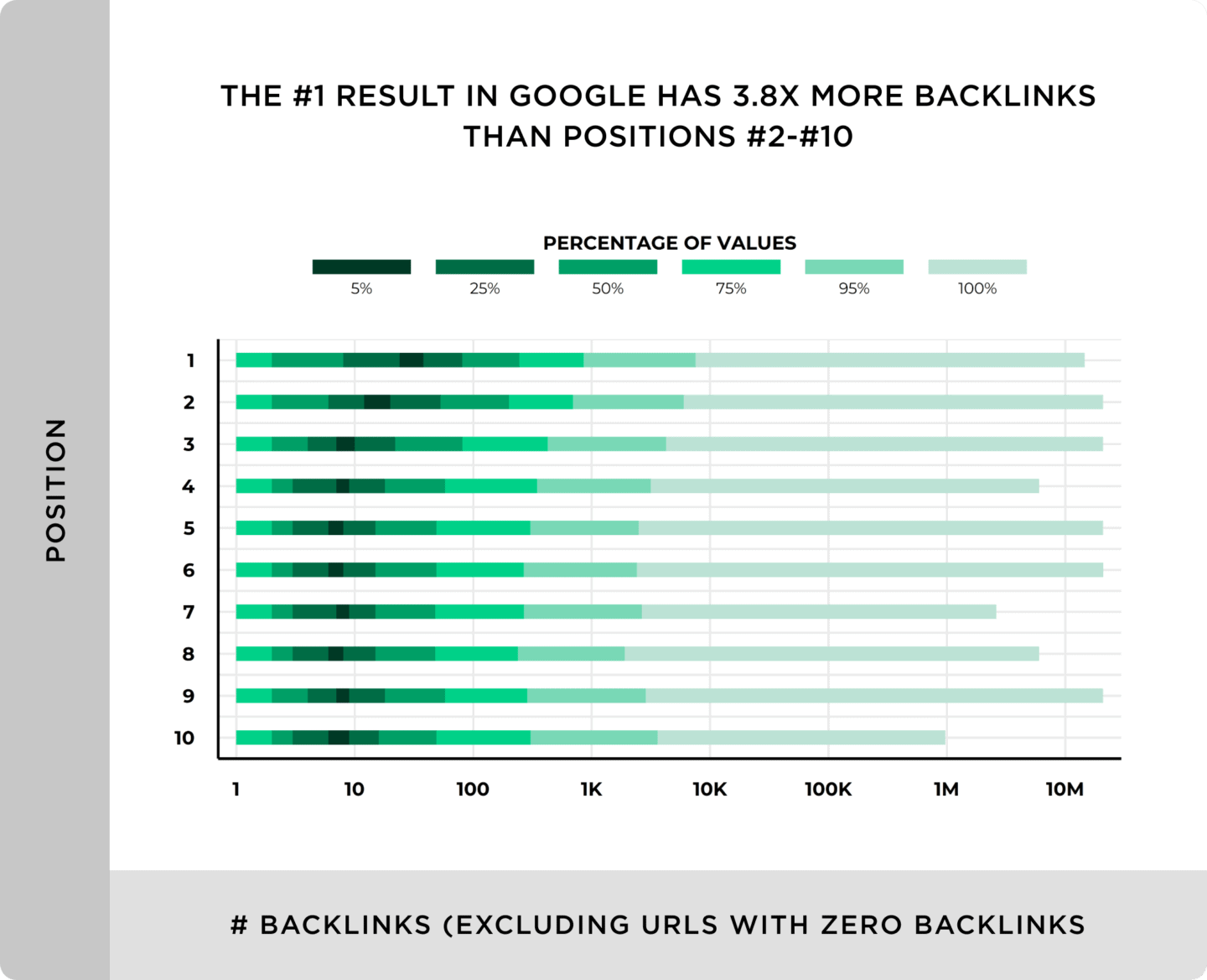
Strong backlink profiles are extremely common among pages that reach the top of Google.
The same study also found that pages with more unique referring domains tended to rank higher, which brings us to the next finding.
Backlinks and Referring Domains Still Correlate With Higher Google Rankings
Across the 11.8 million results analyzed, both backlink counts and the number of unique referring domains correlated with Google rankings.
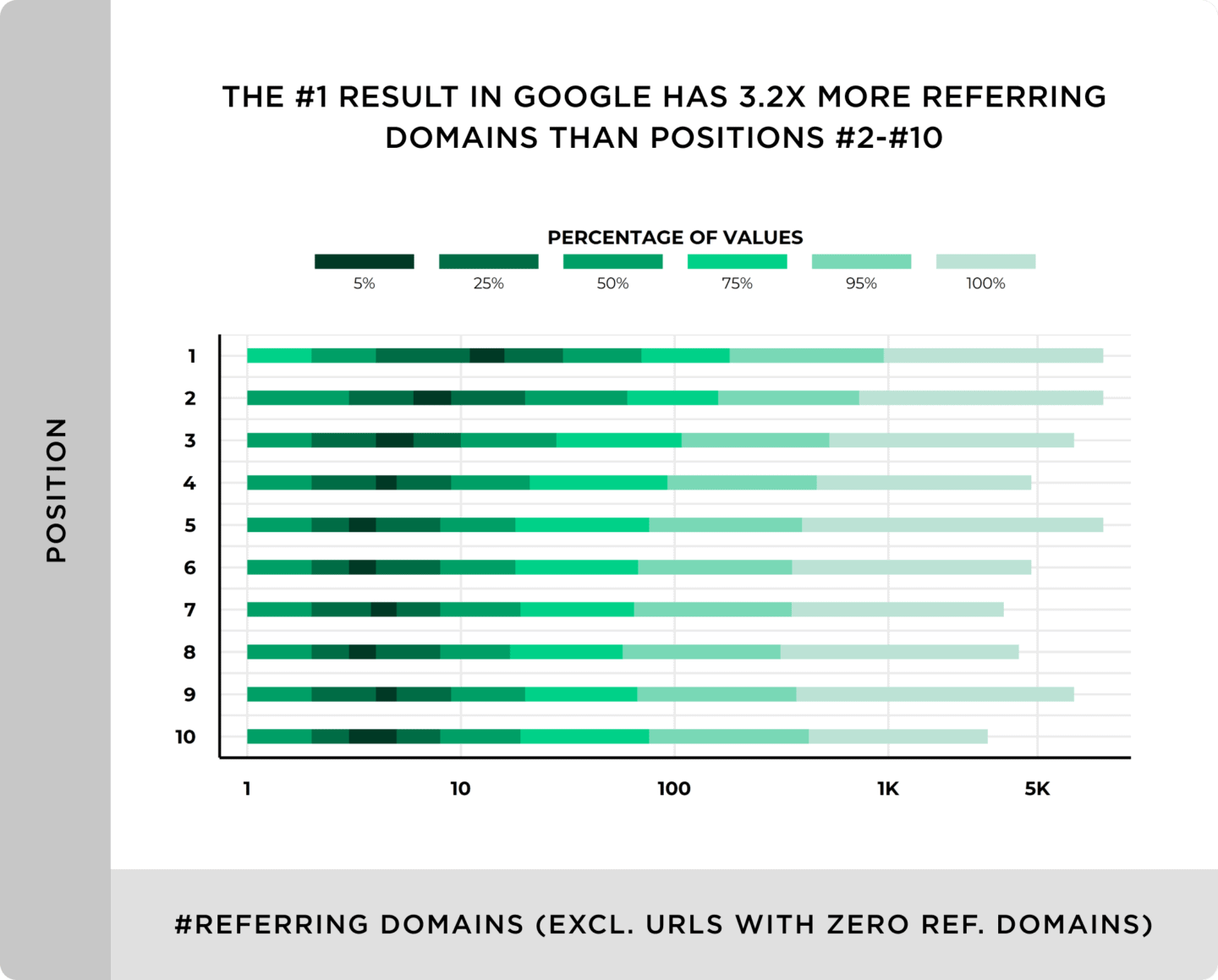
You can’t just buy backlinks from the same high-authority website over and over and hope to rank. You need to have a natural-looking, diverse link profile (like a real website would).
The referring-domain finding is particularly useful for link builders. Getting 100 links from the same website isn’t equivalent to getting links from 100 different websites. A broader referring-domain profile means that more independent sites across the web are linking to you (and this makes you more trustworthy in Google’s eyes).
PressWhizz Placed 23,000 Links in Just a Few Months
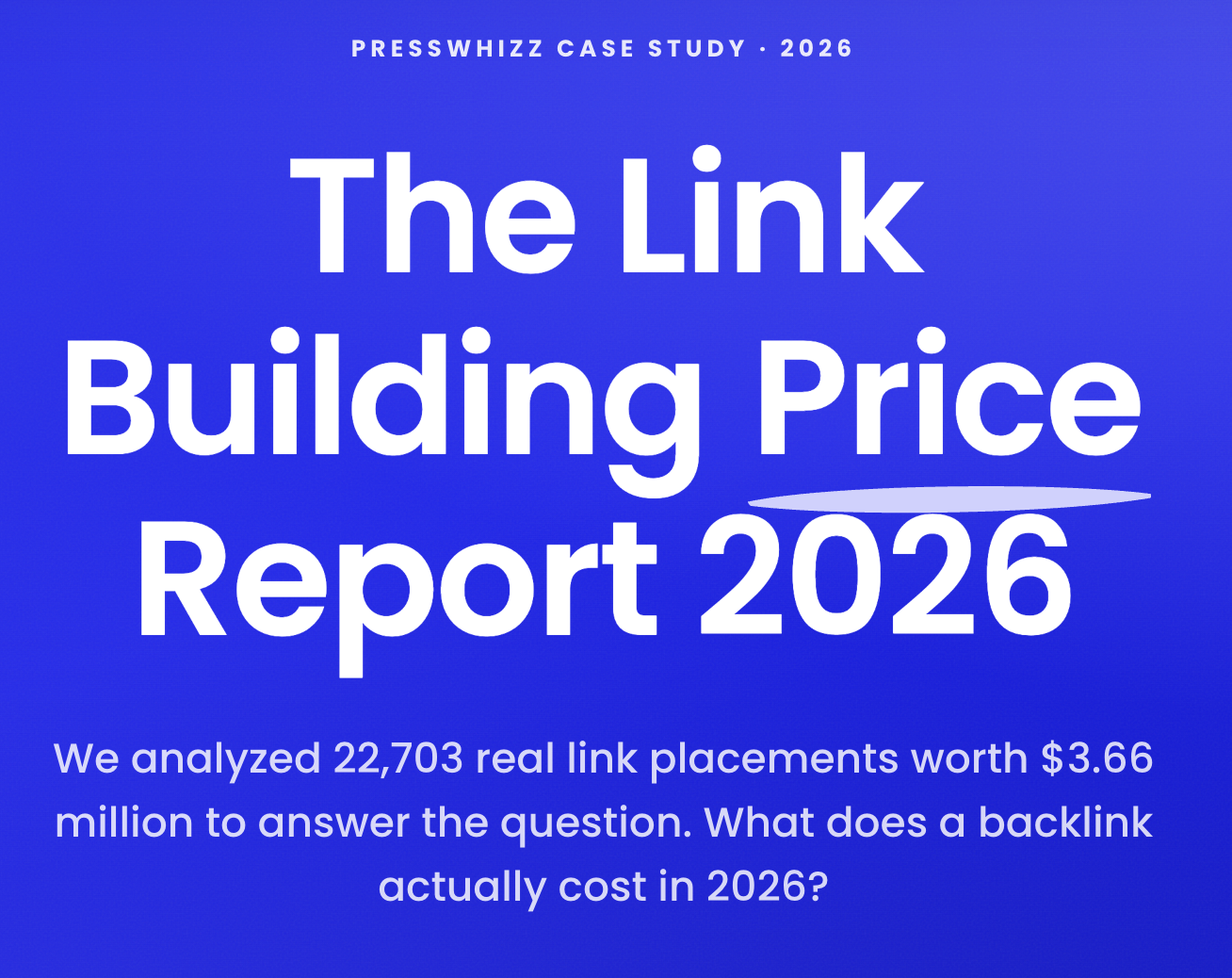
We can also look at our own data. For our link-building pricing report, we analyzed 23,000 links placed through PressWhizz in just a few months.
These are links that SEOs and businesses actually paid to place. In life, always follow the money. Six- and seven-figure businesses would not be investing thousands of dollars in buying links from our link building marketplace if those links did not improve results.
Thousands of buyers are continuing to spend tens of thousands of dollars on link acquisition across thousands of placements. In fact, enterprise link building, where large companies spend six figures per year on links, is more popular than ever.
Does this sound like link building is dead?
Higher-Authority Domains Tend to Rank Higher in Google
Semrush’s ranking-factor research found a strong relationship between domain-level authority and higher organic ranking positions. Sites in the top positions tended to have stronger authority and backlink signals than sites ranking further down the results.
Translation: Sites with more backlinks tend to rank in the top 10 results more than ones that don’t.
Also, many of the top-ranking metrics for determining search engine rankings were related to links, according to this study:
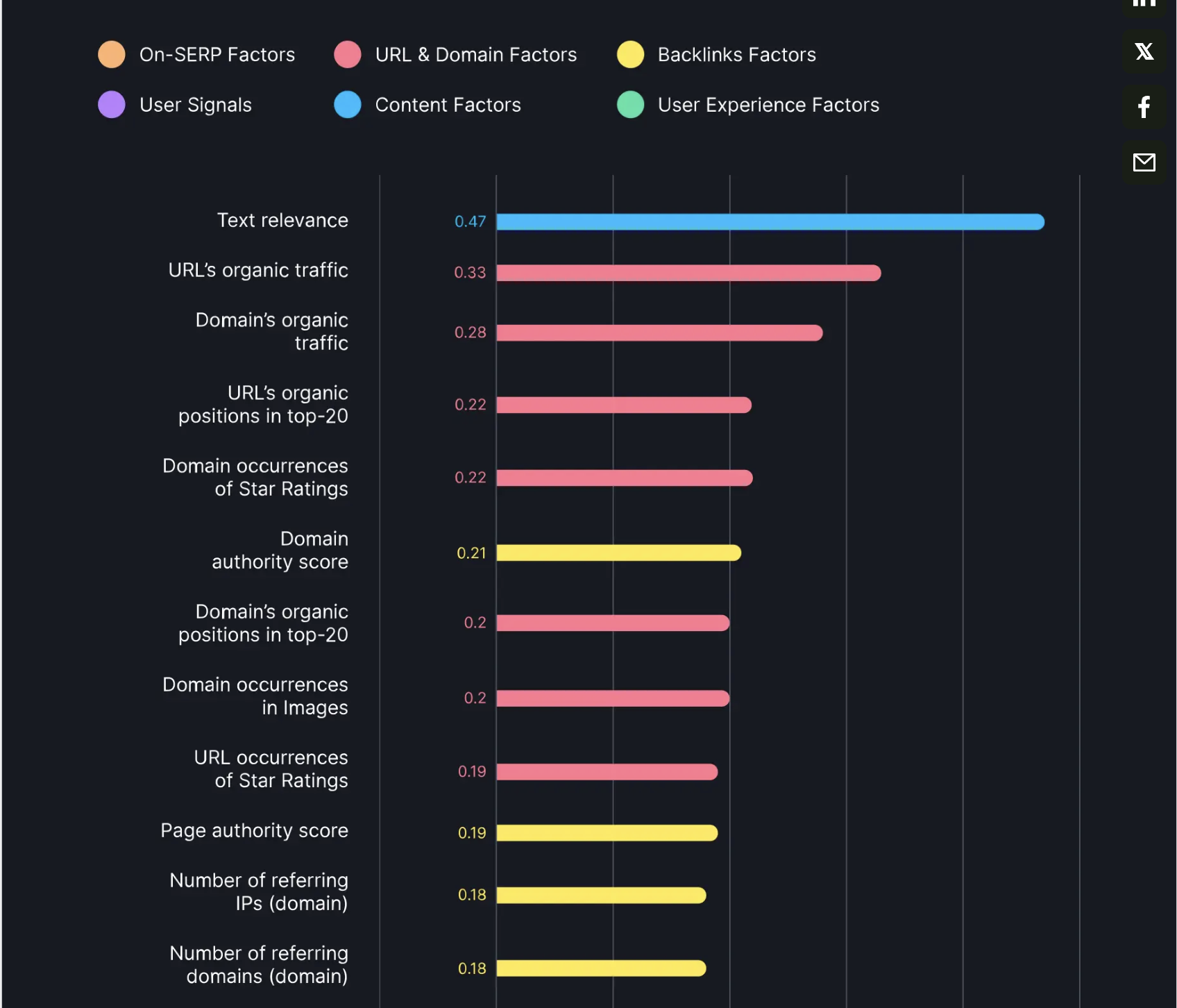
That doesn’t mean Domain Rating and Domain Authority are the be-all and end-all. They’re third-party metrics designed to approximate characteristics of a site’s authority and backlink profile.
The useful takeaway is the pattern underneath those metrics. Websites with stronger link profiles repeatedly show up towards the top of competitive search results.
Link Building Case Studies
Just to prove to you that link building is still working on real websites, we want to show you three campaigns we’ve run ourselves at PressWhizz. These aren’t correlation studies or surveys asking SEOs whether they think links work. These are real websites where we built backlinks, tracked the results, and saw what happened to their organic traffic, rankings, and revenue.
iGaming Crypto Site: 176% Organic Traffic Growth
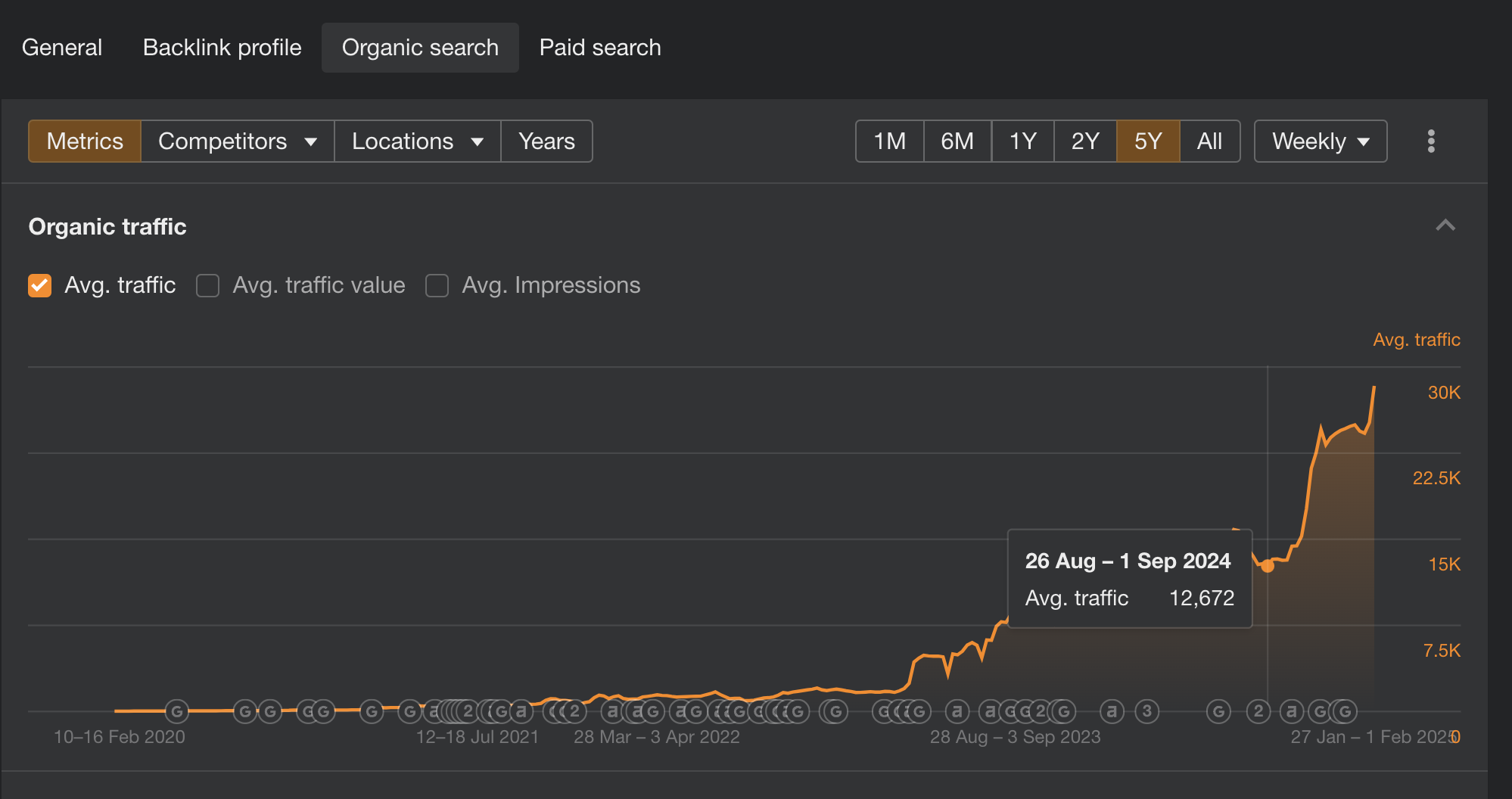
This was a crypto casino operating in one of the most competitive SEO niches around. We focused on building links from relevant gambling, finance, and crypto sites where the placements could provide the highest ROI.
We built 70 new referring domains over the campaign. Within six months, organic traffic was up 176%, bringing in around 13,000 additional visitors and 900 new signups each month.
That translated into roughly $85,000 in additional monthly organic revenue. It’s a good example of what links can still do in a SERP where almost everyone competing has a serious backlink profile.
High-Ticket Ecommerce Site: 201% Organic Traffic Growth
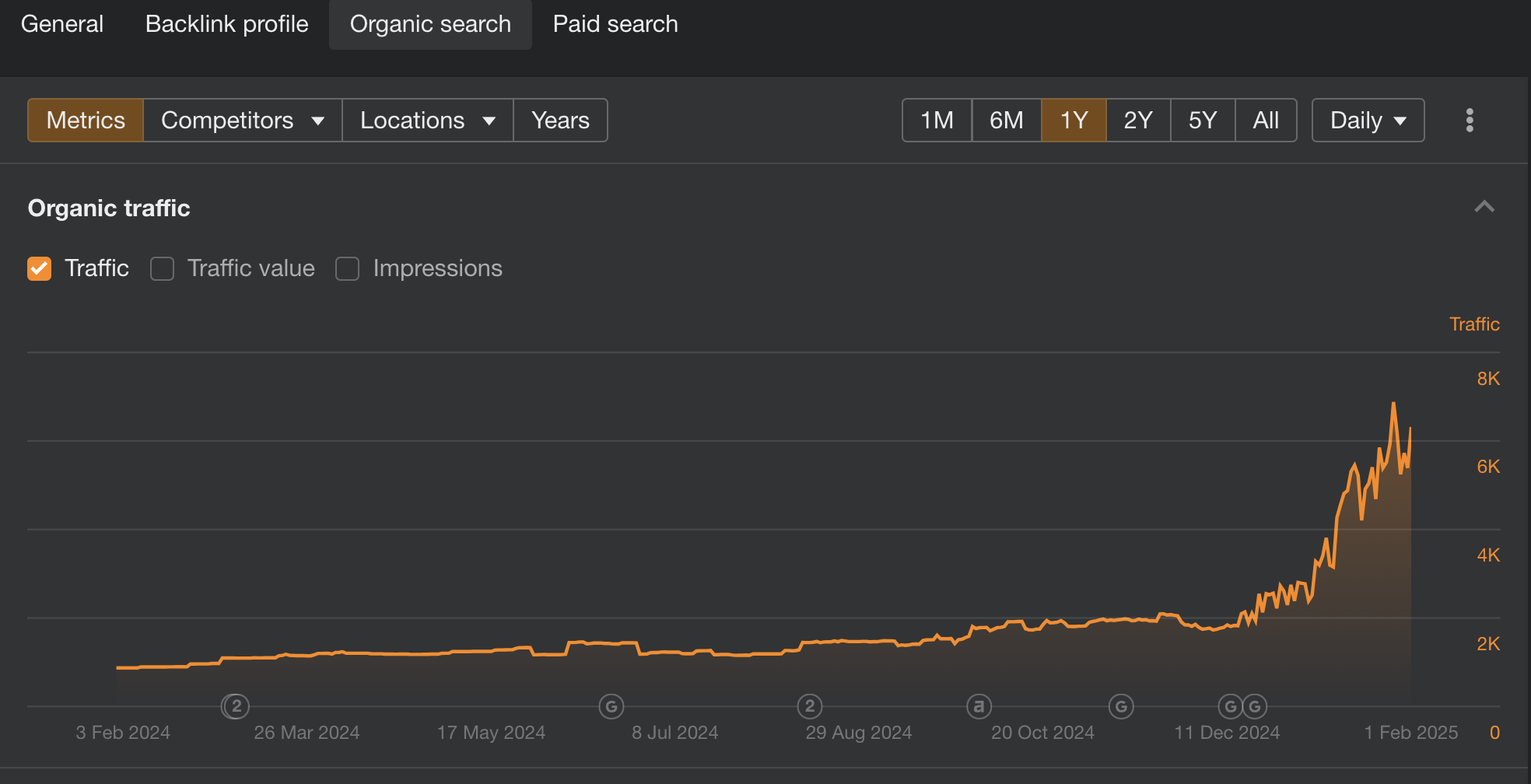
Our ecommerce case study involved a struggling high-ticket ecommerce site that needed significantly more authority to compete with established players in its market.
Here’s what we did…
We acquired around 150 new unique referring domains through guest posts, editorial placements, and niche edits on relevant websites. Within three months, organic traffic increased by 201%, with the site gaining roughly 4,000 additional organic visitors per month.
And monthly sales increased by a reported 159.1%, with approximately $100,000 in additional monthly organic revenue. The entire link campaign cost $24,500, which is a huge return on investment. Backlinks still matter for rankings and for revenue. No ifs, ands, or buts.
Local Business: 162% Organic Traffic Growth
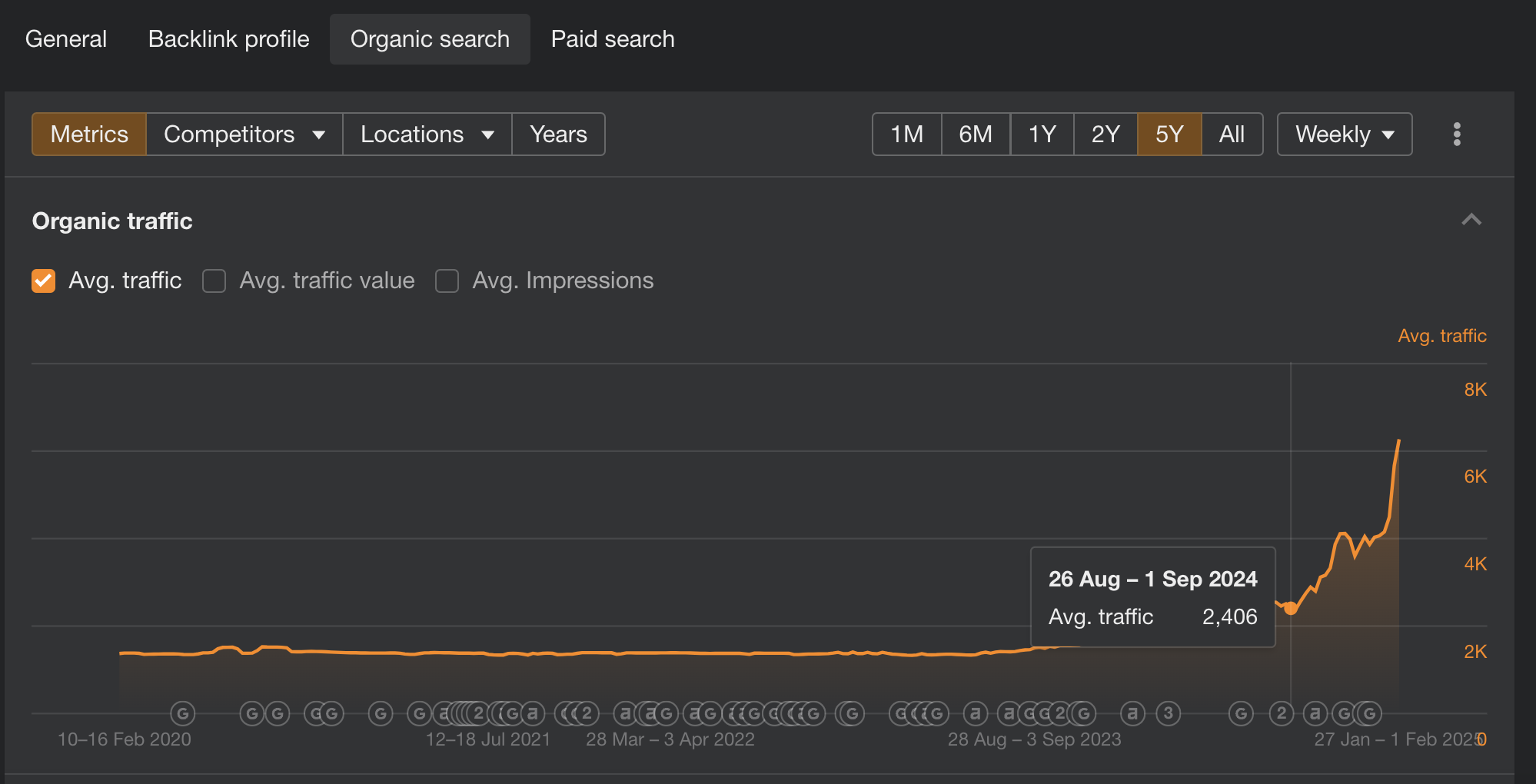
The third campaign involved a local business operating in a competitive market. Here, the strategy focused much more heavily on geographical and topical relevance rather than simply acquiring links from the highest-metric sites available.
Here’s what we did…
PressWhizz acquired 60 new unique, geo-relevant referring domains over eight months. Organic traffic increased by 162% within six months, eventually reaching around 3,900 monthly organic visitors.
That traffic translated into approximately 60 new leads per month. Look at that graph! Just from building new links. And they got 60 new leads every month. So…is link building dead?
Before we wrap up, I just want to quickly explain a few reasons why link building is still relevant in modern search engine optimization.
Why Is Link Building Still Relevant to SEO?
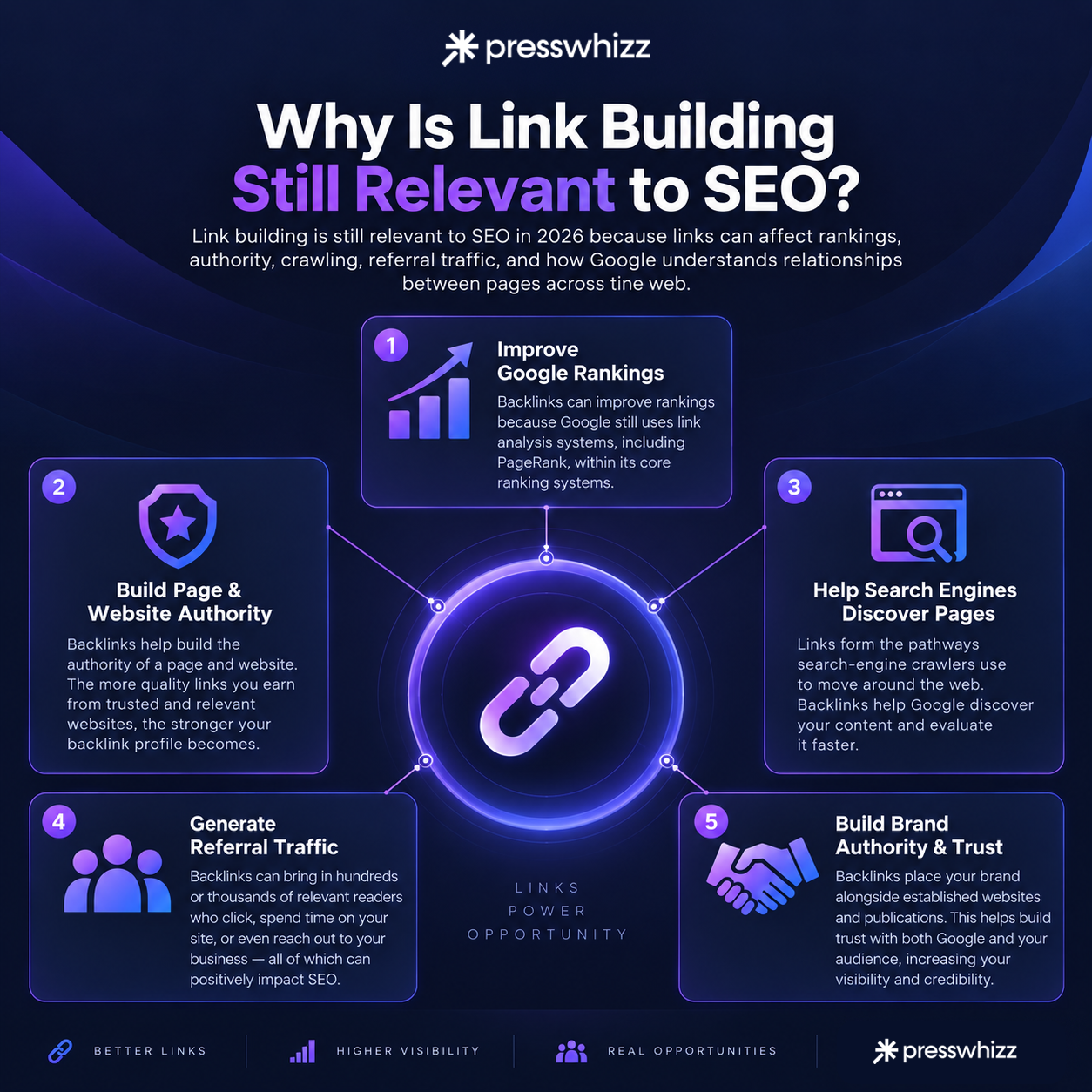
Link building is still relevant to SEO in 2026 because links can affect rankings, authority, crawling, referral traffic, and how Google understands relationships between pages across the web.
Let’s cover more on each of those below:
Backlinks Can Improve Google Rankings
Backlinks can improve rankings because Google still uses link analysis systems, including PageRank, within its core ranking systems. Google’s patents go considerably deeper than simply counting links. Its historical-data patent describes systems that can weigh links based on factors such as the authority and trust of the linking document, link freshness and changes in backlink patterns over time.
Backlinks Build Page and Website Authority
Backlinks help build the authority of a page and website. Generally, the more quality links a page earns from trusted and relevant websites, the stronger its backlink profile becomes.
We also see this reflected in the SERPs. Pages and domains with stronger backlink profiles tend to correlate with higher Google rankings, which is why building authority remains one of the main reasons SEOs invest in backlinks.
Backlinks Help Search Engines Discover Pages
Links form the pathways search-engine crawlers use to move around the web. Google can discover a URL through internal links, external links, and other discovery mechanisms, then add that URL to its crawl queue for further processing.
So, backlinks don’t just help move you up in the rankings. They actually help Google discover your content and evaluate it faster.
Related Reading: Just started your company and considering investing in link building? Check out our guide on link building for startups.
Backlinks Can Generate Referral Traffic
Backlinks can generate referral traffic that brings in hundreds or thousands of relevant readers who then click, spend time, or even message your business. All of those events are great for SEO.
This is one reason you should care about page-level traffic and placement when evaluating links. A contextual link inside a heavily visited article has far more commercial potential than a link buried on a page nobody reads.
Backlinks Can Build Brand Authority and Trust
Backlinks also place your brand alongside established websites, publications, and entities within your industry. Google’s patents describe links being weighted partly according to the trust and authority of the documents containing them, which gives us a technical reason to care about where a link comes from.
From a user perspective, repeated coverage across credible third-party websites also puts your brand in front of audiences before they ever reach your site.
Pro Tip: Google has reduced the effectiveness of Web 2.0 properties, such as Medium and LinkedIn, but free Web 2.0 backlinks are still very valuable, especially for new websites.
What Has Changed About Link Building in 2026?
Link building in 2026 has shifted from a pure volume game to more of a focus on topical relevance, editorial trust, and brand authority. Tactics that used to work years ago don’t matter as much now, though many still do help with SEO when done right.
Link building in 2026 is different in the following ways:
- Quality matters more than quantity: There was a time in SEO when you could throw hundreds of mediocre links at a page and it would work. Today, the source, page quality and placement matter far more than simply increasing your backlink count.
- Topical relevance matters more: Links from websites and pages closely related to your niche provide stronger contextual relevance. In our experience, these are also the links that tend to perform best over the long term.
- Google is better at identifying and ignoring manipulative links: Google has spent years developing systems designed to identify spam links and unnatural patterns, so large amounts of low-quality links do not help like they used to. Google mostly ignores them. High-quality private blog networks still work, though.
- DR alone isn’t enough to judge a backlink: DR is useful as a quick comparison metric, but it tells you very little about an individual placement. You need to look at relevance, traffic, page quality, outbound links, and the overall quality of the website.
- Digital PR and editorial placements are becoming more important: Strong editorial placements provide link equity, referral traffic, brand exposure, and credibility. This is why more companies than ever before are outsourcing their link building to get better results.
- Brand mentions and citations are becoming more valuable: AI search has increased the value of being referenced across authoritative third-party sources. Modern off-page SEO therefore needs to consider where your brand appears across the web, not only how many followed backlinks point to your site.
What Link-Building Strategies Still Work in 2026?
Before we wrap up this article on link building, I want to explain to you the link building strategies that still work in 2026. All of these strategies are high-quality link building methods that still work on our clients’ sites.
Some of them, like digital PR, are extremely popular among our buyers.
Digital PR
Digital PR earns backlinks by creating stories, data, research, or expert commentary that journalists and publishers want to cover. Digital PR backlinks are high-authority links you get from major media outlets like Forbes, USA Today, Reuters, and Search Engine Journal.
It can produce some of the strongest editorial links available while also building brand mentions and visibility across publications that appear in Google, other search engines, and AI search.
That’s the white hat link building take on it, at least. In reality, most people buy links on high-authority websites and just announce some news or try to outrank competitors using parasite tactics.
Guest Posts
Guest posts are when you publish high-quality content that provides real value on another website with a contextual backlink pointing to your site. Guest post link building works extremely well when the publisher has organic search traffic and search rankings, and is relevant to your website.
Buying guest posts is the most popular form of paid link building in 2026 for a few reasons. For one, it works. And two, with guest blogging, you get complete editorial control.
Related Reading: Read our guide on guest blogging for SEO to learn more about the benefits of publishing guest posts on other websites.
Niche Edits
Niche edits place backlinks within relevant content that has already been published and indexed. Niche edits are extremely useful because you can choose an established page with existing relevance, links, and potentially organic traffic, while avoiding the time and cost required to publish an entirely new article.
Link Exchanges
Link exchanges involve two or more websites arranging backlinks between each other, either directly or indirectly. They can be an extremely cost-effective way to acquire relevant links, particularly if you operate multiple sites or have a large network of publishers and industry partners.
Link Reclamation
Link reclamation finds link equity you’ve already earned but aren’t currently benefiting from, such as broken link building, lost links, and unlinked brand mentions. It’s often one of the easiest places to find quick wins because the relationship or reason for linking already exists.
Is Link Building Worth It in 2026?
Yes, link building is still worth it in 2026 because backlinks are a core Google ranking signal, help competitive pages rank, and can increase your visibility across both traditional and AI search.
Without backlinks, you won’t be able to rank in competitive SERPs and you’ll struggle to get cited in LLMs like ChatGPT.
Can you rank without backlinks? Technically, yes. Google has even acknowledged examples of pages ranking without them. But that becomes much harder when you enter competitive SERPs where the sites above you have strong backlink profiles.
Here is something else you need to understand, too…
Your competitors are almost certainly buying links. The vast majority of SEOs and brands buy links. If you’re just “publishing great content” like Google claims, you will be behind the game.
This isn’t just for organic rankings either. It’s for AI Overviews as well.
Google’s AI results are even more closely connected to traditional rankings. An Ahrefs study of 1.9 million AI Overview citations found that 76.1% of cited pages ranked in Google’s top 10.
So, you need links to get into the top 10 (usually) and AI citations are based on the top 10 results. You do the math…
How Has AI Changed Link Building?
AI has changed a few key things about link building, such as how authority is measured and a concept known as “reaching the floor” to be cited. Links still matter, especially when a site doesn’t have enough authority to compete in the first place. But once you’ve built enough authority to compete, brand mentions start becoming much more important.
Victorious studied 175 brands and found that referring domains had the strongest relationship with AI mentions at 0.49, while third-party web mentions were close behind at 0.45. That’s pretty close to what we’ve seen ourselves. Links help establish the authority needed to get into the conversation, while broader mentions across the web can help strengthen the brand from there.
Then there’s Ahrefs’ newer study of 75,000 brands. Branded web mentions had a 0.664 correlation with AI Overview visibility, compared with 0.218 for backlinks, 0.295 for referring domains, and 0.326 for DR. The brands in the top quartile for web mentions also averaged 169 AI Overview mentions, compared with just 14 for the quartile below.
My approach is therefore fairly simple. Build enough good links to compete with the sites already winning your SERPs. Once you’re in that range, start putting more of the budget into digital PR, branded anchors, editorial coverage, and third-party mentions on the sources that Google and LLMs repeatedly surface.
Final Thoughts
No, my friends. Link building is not dead.
Links are still vital for ranking in organic search, AI Overviews, and LLMs. Even brand mentions can technically be considered link building if you count things such as digital PR.
You need to 1) follow the money and 2) listen to the data. SEOs and brands are spending billions of dollars on links. And endless data studies, Google patents, and SEO reports (as well as firsthand experience) confirm that links still matter for SEO.
Link building has just changed. That’s all.
Instead of just building spammy links en masse, you need to build high-quality backlinks from relevant domains and focus on building your brand online.
If there’s one key takeaway from this article, it’s: links still matter. More than ever, actually. You need higher-quality links to compete in Google and AI than ever before, so make sure your link building game is sharp.
– Dusan Novakovic