


Backlinks remain the heartbeat of competitive SEO. You can build flawless content. You can ship technical perfection. But without a strategic link profile, you’re competing with one hand tied behind your back.
The problem isn’t the idea of backlink building, it’s that most SEOs still treat link acquisition like a quantity game instead of a strategic discipline. The truth is, there are specific types of backlinks that consistently move rankings, unlock indexation, shape entity signals, and shift Google’s interpretation of a brand. Then there are others that exist purely to waste your budget.
This guide breaks down 22 battle-tested backlink types, how they work, why they work, where they fit inside modern link graphs. We also look at what operators get wrong when deploying them. You’re not getting beginner explanations. You’re getting a full editorial breakdown designed for people who actually build links with intent.
What Separates a High-Value Backlink From a Dead One?
Before we dive into the actual link types, it’s worth exploring what Google is rewarding right now. A high-quality backlink isn’t defined by one metric. It’s a convergence of three elements:
Authority — not just DR, but historical trust, crawl frequency, indexation stability, and link neighborhood quality.
Relevance — topical alignment across the page, section, and domain. The closer the contextual match, the harder the link hits.
Placement — in-body, contextual and naturally integrated. Anything in a sidebar, footer, author box, or unrelated paragraph tends to have its strength diluted.
Every backlink type we’re about to cover earns its power from those three levers. But each fits a different strategic role depending on the site, niche, and campaign objective.
1. Editorial Links
Editorial backlinks are those rare moments when another site chooses to link to your content purely because it adds value. No outreach. No sponsorship. No negotiation. They simply cite you because your brand, research, or insights genuinely support their work.
In 2026, these types of backlinks are harder to earn than ever, which is exactly why they remain so powerful. Google’s spam systems are built around detecting artificial link acquisition, and editorial citations are the one signal that consistently evade manipulation because they’re rooted in genuine utility.
The best ways to earn them include proprietary data studies, original surveys, genuinely helpful evergreen content, and strong commentary that journalists can quote without editing. If you publish material that becomes a reference point, you create long-term authority signals with zero risk of devaluation.
Use editoria
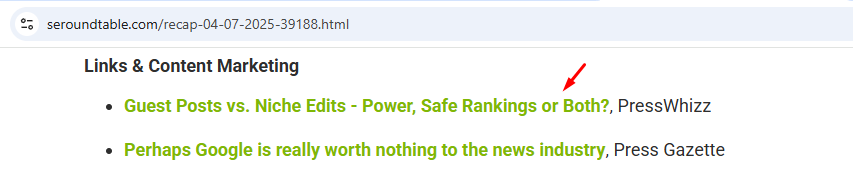
Sounds nice, right? Almost like a fairy tale. But in 2026’s link economy?
True organic editorial links are rarer than a Google update that actually makes the SERPs better!
They still matter, though. They’re the cleanest and safest type of backlink you’ll get and they’re exactly what Google’s spam team dreams about when they write their documentation.
Most link sellers in SEO will claim editorial links as high level publishers doing editorial pieces on your content so they can sell you NoFollow Forbes posts for $10,000… However, it doesn’t always have to be that way.
Here’s what actually earns you editorial links without a budget:
-
Original Data & Research – Not recycled stats. We’re talking proprietary data, industry surveys, or in-house findings that haven’t been published anywhere else.
-
Infographics Worth Stealing – Not Canva templates. Real design, real numbers, real share value. Bonus if it’s embeddable and branded, including in the filename.
-
Expert Interviews or Controversial Takes – If you can’t interview a famous person, be the one with the strongest (or smartest) opinion.
-
Actual Value-Driven Guides – Not just long content. Guides that solve real problems and double as source material for journalists and bloggers.
Risk Level: Minimal
Effectiveness: 9.5/10
Longevity: 10/10 if the site survives
Cost Range: $0 (if earned) – $1,500+ (if “arranged”)
2. Guest Post Links
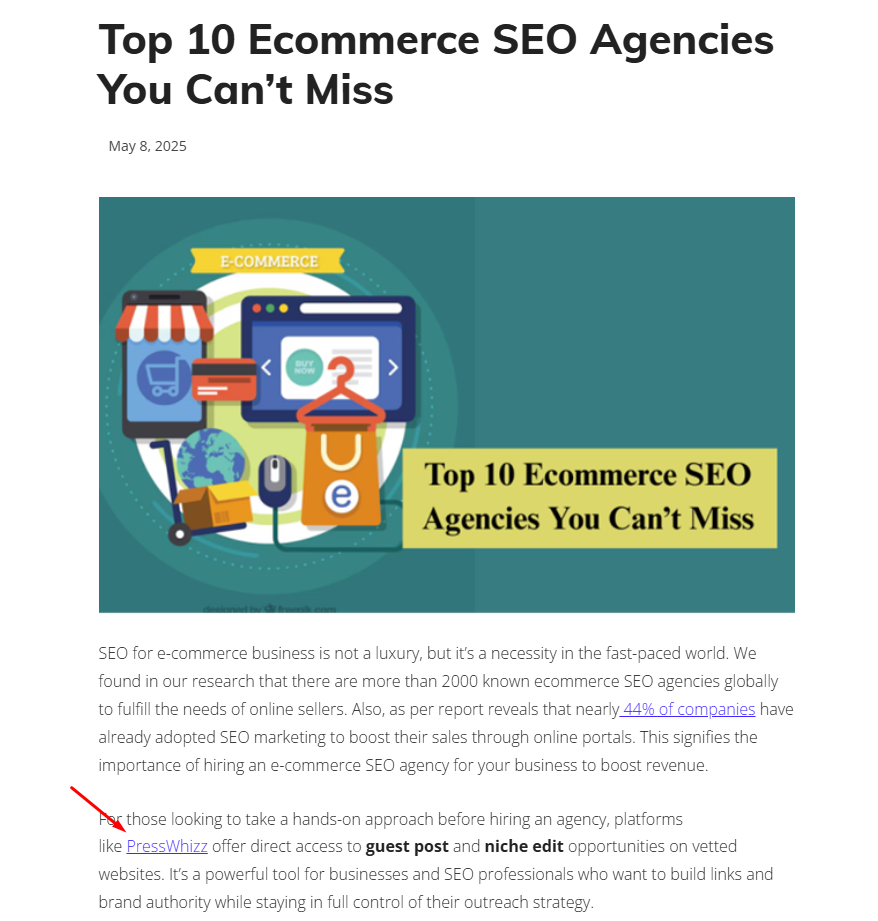
Guest post links work because they allow you to place a contextual link inside content that’s created specifically for your target audience. While the market is crowded with low-quality providers, well-executed guest posts remain one of the most predictable ways to deploy anchor text, support commercial pages, and expand authority inside your niche.
The key is avoiding the blog-farm ecosystem. Strong guest posts come from sites with real traffic, editorial activity, and topical relevance. When placed properly, they help reinforce topical clustering, stabilize rankings through algorithm cycles, and create anchor text systems that match your keyword targets.
But here’s the harsh reality most SEOs won’t admit:
Guest posting is only effective when you stop treating it like a “numbers game.”
If you’re smashing out 100 random guest posts on random DR40 blogs with no traffic, the likelihood is most of those signals will be neutralized come the next Google update.
What Separates a Terrible Guest Post from a Strategic One?
Quality = Authority + Relevance + Placement.
Anything outside that trifecta is noise.
Let’s break it down:
-
Authority – You want DR60+ minimum, with real rankings and indexed content. Not some expired domain flipped into a “tech news” site two months ago.
-
Relevance – Topical trust is real. If you’re in finance and getting links from a CBD blog, congrats — your anchor text means nothing.
-
Placement – You don’t just want any link. You want a contextual, in-body link surrounded by related copy. Not hidden in an author box or wedged into a spammy listicle.
When Guest Posts Work Best:
-
When you’re launching a new domain and need clean seed links from targeted sites on the linkgraph.
-
When targeting bottom-funnel or high-CPC keywords where anchor text actually matters.
-
When used to diversify link velocity between parasites, press, and PBNs.
- When you need a LOT of links for competitive keywords.
The Smart Way To Do Guest Posting in 2026:
-
Stop going broad: Pick 10-15 targets in your vertical and go deep.
-
Offer value: Find missing content, outdated posts, or UX problems you can solve.
-
Use real personas: Even fake authors get better placement if they’re built properly.
-
Track indexation: If the post doesn’t index in 30 days — it doesn’t count. Simple as.
You can still automate the grunt work. Hell, I’ve built entire systems around guest post outreach at scale. But the content? The angle? That needs to be strategic.
Otherwise, congrats — you’re just another guy buying $80 posts on FatJoe and wondering why your DR went up but rankings didn’t move.
Risk Level: Medium (if over optimized or footprint-heavy)
Effectiveness: 7.5/10
Longevity: 6–9/10 depending on site age and content quality
Cost Range: $50–$1,200 per post depending on tier, country, and broker margin
3. Link Insertions / Niche Edits
A link insertion places your link inside an already indexed, already authoritative, already ranking page. You’re not asking Google to evaluate new content from scratch, you’re inserting yourself into an environment that already has trust.
This is why niche edits often outperform guest posts on a per-link basis. They bypass the “crawl → index → evaluate” cycle. They work especially well when the target page ranks for related queries or sits inside a relevant category.
The critical factor is ensuring the page is alive and healthy. If it’s losing traffic, hasn’t been updated, or sits in a spammy neighborhood, the benefit disappears. But in the right conditions, niche edits offer some of the strongest ROI in modern SEO.
Even though this tactic is old, abused, and flagged by every Google spam doc, it is still of the most consistently effective types of backlink in your SEO arsenal.
Why?
Because you’re hijacking:
-
An already indexed page
-
That already has existing backlinks
-
That Google already trusts
You’re not asking Google to crawl and rank something new, you’re surgically adding link equity rather than hoping on gaining it from other types of links like guest posts.
The Right Way To Do Link Insertions
Not all niche edits are created equal.
Here’s how we do it:
-
Relevancy first: Target pages that are at least topically aligned to your destination page — same silo, same category, ideally even same intent.
-
Traffic check: Don’t just trust DR. Use Ahrefs or SimilarWeb to confirm if the page (or site) has any meaningful rankings or search visibility.
-
Anchor moderation: Use branded, partial match, or contextually embedded links — aggressive exact-match in an old blog post is a red flag.
-
Manual review: Don’t rely on some $40 Upwork scraper list. Actually read the content before placing a link. Make sure it makes contextual sense.
Where Link Insertions Shine
-
Powering up parasite pages with mid-high comp terms (especially post-index).
-
Injecting relevance to new money pages without overloading your own blog.
-
Scaling up velocity for churn-and-burn campaigns without burning actual money.
-
Fixing underperforming URLs by juicing their external authority without rewriting them.
Pair this with buying tier 2 links and a social buffer, and it’ll rank most medium comp keywords with ⅓ the effort of guest posting.
Risk Level: Medium-High (spam detection or deindexing risk on bad sites)
Effectiveness: 8.5/10
Longevity: 7/10 (depends on publisher stability and edit visibility)
Cost Range: $30–$800 per insertion depending on DR, traffic, and outreach layer.
4. Digital PR Links
Digital PR has exploded because it allows brands to earn placements across tier-one publishers, mainstream news outlets, and high-trust editorial environments. All without relying on traditional PR retainers.
When executed properly, Digital PR produces the best types of backlinks including homepage links, brand profiles and contextual mentions. It can also generate entire syndication loops that propagate your story across dozens of secondary outlets.
The trick is never the press release itself, it’s the angle. Journalists don’t write about your product. They write about your data, your stance, your founder’s story, or your role in a broader trend.
With the right narrative, a single digital PR campaign can create more authority in two weeks than a site might otherwise build in six months.
But here’s the truth:
Digital PR is either the most scalable authority hack you’ll ever use… or a complete waste of five figures and three months of your life, and it’s almost always completely niche and geo dependant.
And when a campaign lands, it really lands! Think homepage links on tier 1 media, DR90+ citations, brand mentions that spark Google Discover visibility, and if you’re lucky, some syndication loops that carry your link through 50+ domains in one shot.
When it flops? You just paid $10,000 for a campaign that results in a bunch of useless mentions buried on obscure lifestyle magazines that no one has ever heard of in my generation.
What Is a Digital PR Link?
A Digital PR link is any earned (or manufactured) type of backlink that results from a newsworthy event, data drop, asset, or stunt your brand pushes to the media.
And I use “newsworthy” very loosely. In 2026, controversial, funny, or even just clickbait counts.
Here’s what’s working right now:
-
Data drops & trend jacks – Run a shitty little survey, present it as “industry insights,” slap a logo on a PDF and boom, you’re a “thought leader.”
-
Controversial takes – “AI is killing SEO” is boring. Try “Google is an illegal monopoly that penalizes small business to serve shareholders.” Now you’ve got headlines.
-
Viral stunts – Give away a free house. Offer to marry your customer. Build an AI clone of your CEO. Sounds insane? That’s why it gets links.
-
Founder/exec profiles – Only works if your founder isn’t a wet sponge. Unique backstories, scandals, or weird backgrounds = journalist bait.
How To Pull It Off (Without a $10k/month Retainer)
-
Find your angle – No one cares about your product. They care about the story around it. What industry trend can you hijack?
-
Build a media kit – Press release, images, quote from the founder, one-liner stats. Journalists are lazy — spoon feed them everything.
-
Blast it properly – No Mailchimp. Use tools like Roxhill, Propel, or Prowly. Or hire a freelancer with access to Cision. The list matters more than the message.
-
Monitor syndication – Use BrandMentions, Ahrefs alerts, and Google News to track secondary pickups. A single link can turn into dozens.
Supplement with HARO since it’s back, and HARO alternatives.
Risk Level: Medium (burn rate if it fails, press exposure risk if it backfires)
Effectiveness: 8/10 (when done well, can hit 10/10)
Longevity: 9/10 (homepage or nav bar links last until redesign)
Cost Range: $250 (DIY data stunt) – $10,000+ (agency-led full campaigns)
5. HARO & Expert Roundup Links
Expert quote links continue to perform because journalists still need credible voices to support their articles. Platforms like HARO, Qwoted, and Featured provide direct lines to these opportunities.
Success comes from consistency and positioning. Journalists don’t respond to generic corporate answers. They favor experts with distinct perspectives, real experience, and quotable statements. When you tailor your responses to the angle of the article and maintain a bank of ready-made insights, you can land DR70–DR90 placements with minimal cost.
All you need to do is answer some simple questions, drop a few quick quotes, and boom… DR90 link from Business Insider, HubSpot, or Yahoo Finance shows up in your inbox. No payment, no outreach team, just “you being the expert.”
Sounds great, right? That used to be HARO! Nowadays? The new platform doesn’t have anywhere near the same # of quality placements, and more random link building VAs spamming replies than ever…
Still, when this tactic works, it can produce some of the cleanest, most natural authority links in SEO.
You just need to stop being basic about it.
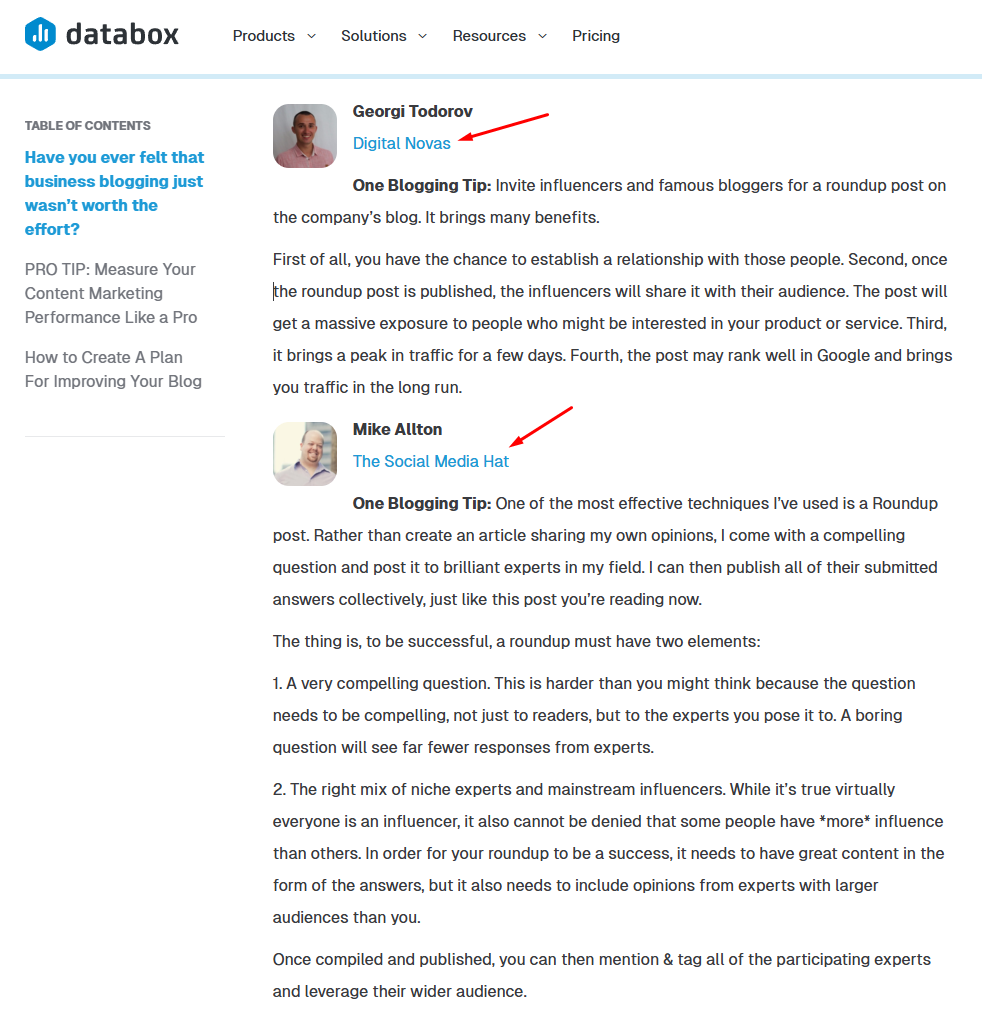
What Counts As A “HARO” or Expert Quote Link?
-
HARO (Help A Reporter Out) — now resurrected under a new owner, but still relevant if you filter aggressively.
-
Terkel, Qwoted, Featured, SourceBottle — same game, different database.
-
Expert roundups — blog-style posts where 10–50 people answer one question, and you sneak in a branded link with your 150-word wisdom nugget.
-
LinkedIn/Twitter Source Calls — journos now post live calls for sources in feeds. You reply in 5 mins or you’re dead.
How We Land These Links Consistently
-
Build a character – Nobody wants “Founder of X with 15 years of SEO experience.” Be the brutally honest link builder, the guy who ranks casino sites, the woman who automated her entire agency. Be memorable.
-
Personalized quote banks – Prewrite 20–30 fire quotes based on trending questions (AI, E-E-A-T, authority, Google updates, etc.) or create a CustomGPT that can spit them out for you! Adapt and fire.
-
VA filtering system – Get a VA to pull ONLY the worthwhile DR60+ queries in your vertical, and ignore the fluff (no more replying to “best stress relief tips for remote workers” unless you’re a psychologist).
-
Link tracking & negotiation – Half of these won’t link unless you ask. Always reply with: “Thanks! Would you mind linking to my brand bio here?”
Bonus tip: Many of these journalists reuse sources. Land one good quote and you’ll start getting direct source requests in your inbox. That’s when the real wins happen.
Where HARO & Expert Quotes Shine
-
Brand building for real founders (these links tend to use your personal name)
-
Fast E-E-A-T & Trust Signal stacking for YMYL or sensitive niches.
-
Zero cost authority links from domains you’d pay thousands for on other marketplaces.
-
Citation stacking for press — especially when combined with Digital PR or press releases.
But again, expect a 5–10% success rate! You either need patience, a system to scale it or a famous influencer (you can pay to be a brand ambassador, remember) that everybody wants to feature in that industry.
Risk Level: Minimal (you’re not paying or spamming)
Effectiveness: 7.5/10 (10/10 when it lands on a DR80+)
Longevity: 10/10 if it stays in the article
Cost Range: $0 (manual outreach) – $400/month (VA + filtering systems or HARO service providers)
6. Parasite SEO Links
Parasite SEO is nothing new, but in 2026, it’s more effective than ever because Google still struggles to evaluate content on high-authority domains compared to small independent sites.
A parasite backlink isn’t a backlink at all, it’s a page you publish on another domain that directly ranks for your keyword. When structured properly, a parasite can outrank competitors within days, especially for medium-to-high competition queries. Your CTA placement, content intent, and publisher choice determine your success.
The thing is – parasite SEO isn’t new — it’s just finally getting the credit it deserves.
A Parasite Link = You rank your offer/content/affiliate landing page on someone else’s domain.
It can be Forbes. It can be Outlook India. It can be a local news rag that sells posts for $150. Doesn’t matter. If it ranks, and you control the CTA – it works.
We’ve done this across iGaming, finance, CBD, weight loss, crypto, and even “how to sell feet pics” keywords. You name it — someone’s parasiting it.
Why Parasites Backlink Types Work (And Will Keep Working)
Because Google still prioritizes:
-
Authority (domain age, backlink profile, trust)
-
Freshness (recently published content)
-
UGC weight (news, blogs, Reddit, forums)
Parasite SEO hijacks all three.
Your 3-day-old WordPress site? Never stood a chance.
How To Deploy Parasite Backlinks Like a Pro
-
Find your playground – Use Ahrefs to reverse engineer parasites already ranking in your niche. Look for DR70+ sites that allow user-contributed content or paid placements.
-
Intent match the page – If you’re targeting “best crypto casino India,” your article better look like a real editorial, not an affiliate cash grab with buttons everywhere.
-
CTA first – Before you even write, plan where your CTA goes. Parasites don’t convert by accident — your affiliate link, form, or redirects need to hit above the fold.
-
Track & scale – Monitor indexation, rankings, and conversions. If it hits? Order 3 more on similar domains. If it flops? Clone the content and try again elsewhere.
We’ve ranked parasites same day. We’ve ranked them top 3 within 48 hours. And we’ve used them to dominate SERPs while our main site chills on page 5.
Best Types of Parasite Platforms
-
News Publishers – Outlook India, Hindustan Times, Times Union
-
User Profile Blogs – Medium, Vocal, Tealfeed
-
PDF/Slide Hosts – SlideShare, Scribd, Issuu (for low comp, long-tail play)
-
Forum Threads – Quora, Reddit, niche forums (still hit top 10 regularly)
-
Web 2.0s on expired domains – Tumblr, WordPress.com, Blogspot, especially if the domain has legacy juice
When To Use Parasite SEO
-
Launch day – You want traffic tomorrow? Good luck doing that with your own site.
-
High-risk offers – Casino, payday loans, kratom, crypto. Google hates them. Parasites don’t care.
-
ORM battles – Need to push negative content down? Fill page one with parasites.
-
Testing intent – Before you build a site around a niche, parasite it first. See if it even ranks.
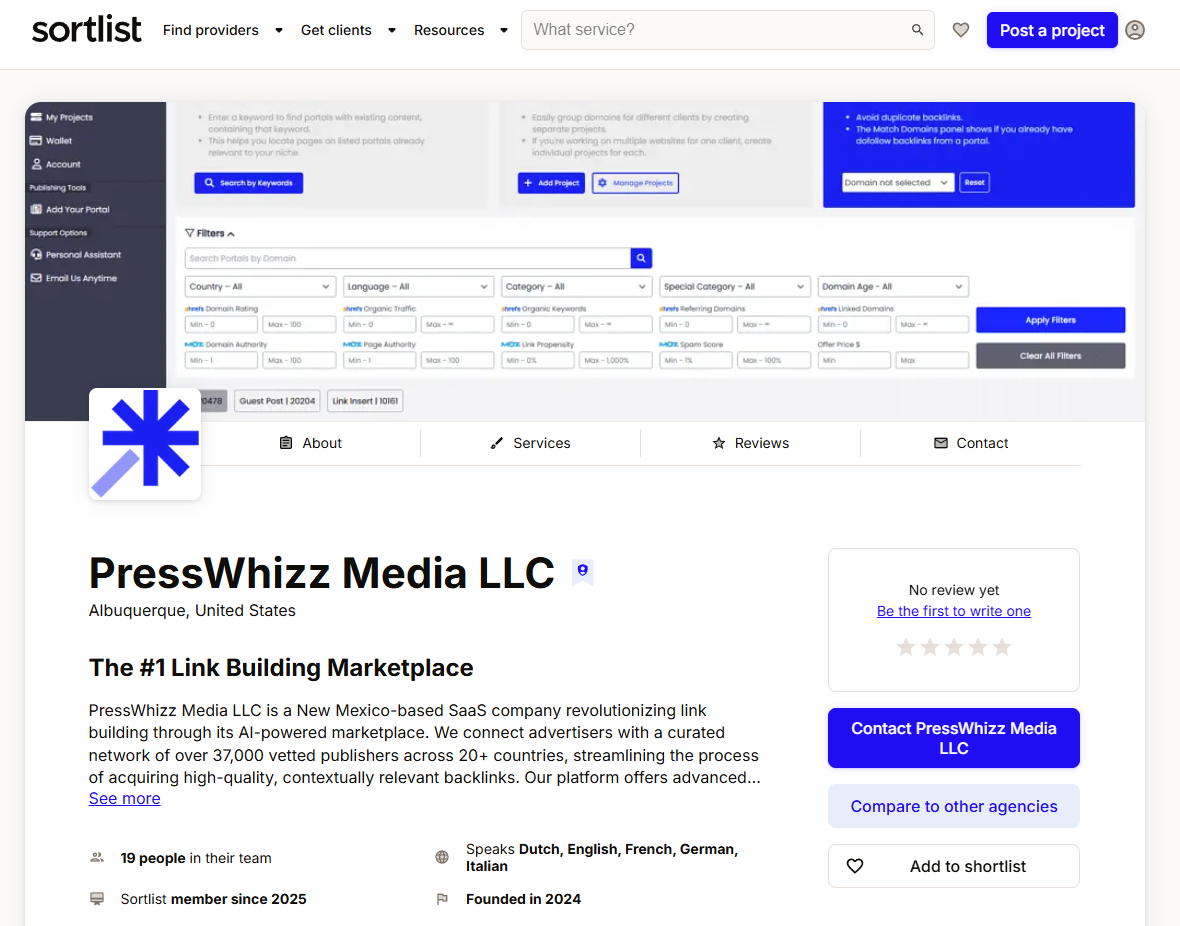
And yes — PressWhizz offers parasite placements, and we know exactly which ones are working right now. You won’t find those on some public database.
Risk Level: Medium (if content violates site TOS, they can remove it)
Effectiveness: 9.5/10 (can outrank entire sites solo)
Longevity: 5–8/10 (parasites churn fast, especially post-core updates)
Cost Range: $50–$2,000+ depending on the domain and vertical
7. PBN Links
The mere mention of these links makes Google cry, Reddit scream, and white hats start polishing their Chrome extensions.
But guess what?
PBNs still work.
And not only that, when built and deployed correctly, they can deliver faster and stronger ranking movement than any other link type on this list.
When used surgically (not abused), they offer some of the strongest ranking acceleration per link. But the risk is real: poorly built PBNs or footprint-heavy networks can trigger deindexation or manual action.
What Is a Real PBN in 2026?
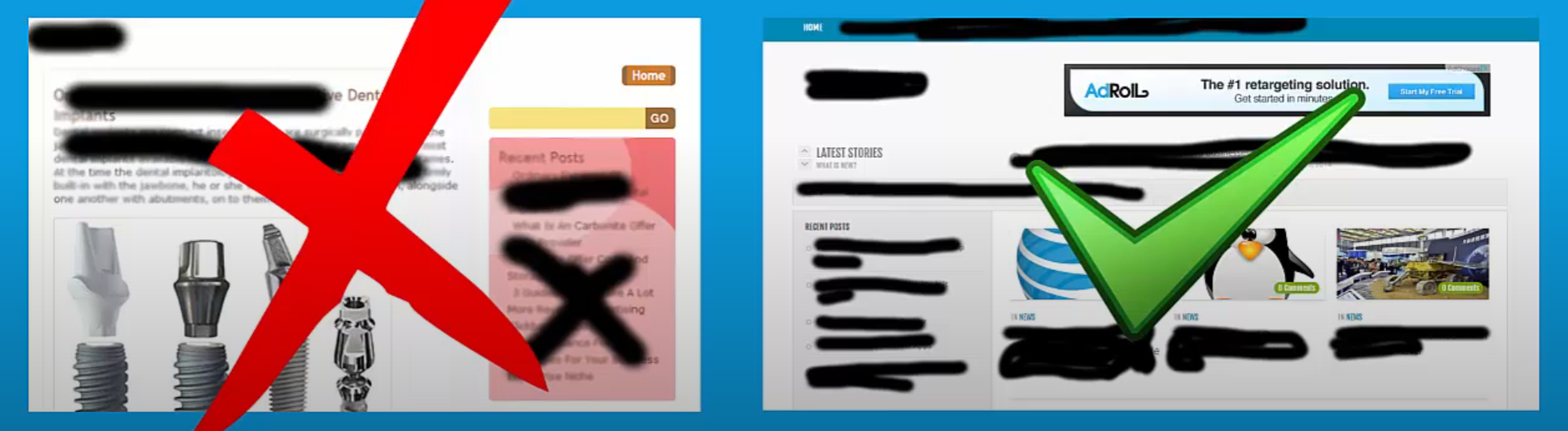
A real PBN is:
-
Built on genuinely clean expired or auction domains
-
Rebuilt to replicate the old structure and content
-
Hosted on dedicated IPs, ideally per site
-
Interlinked very selectively
-
Masked so well even the nosiest Ahrefs deep dive wouldn’t connect the dots
Anything else? That’s just a footprint farm asking to get nuked.
How We Use PBNs Strategically
-
Domain vetting – Metrics mean nothing if the history is toxic. No spam anchors, no casino/pharma past, no 301 chains from Vietnam.
-
Topical relevance – The domain needs to be niche-aligned. Not DR40 “tech blog” linking to your supplements site with an AI-written post about testosterone boosters.
-
Content quality – Every PBN post should look and read like something from a guest post campaign. Forget the 500-word garbage. Use full briefs.
-
Link scheduling – Drip feed links like a human would publish. No 10-link blasts in week one. No site-wide anchors. Keep it chill.
-
Tiered boost – Hit your PBN pages with tier 2 links (Web 2.0s, spam comments, PDFs) to make them stronger over time.
When To Use PBN Links
-
Churn and burn sites (duh)
-
Parasite pages that need a little firepower
-
Category page pushes where editorial links are hard to justify
-
Aged sites with strong content but weak external link velocity
-
Secondary link sources to avoid anchor text overkill from guest posting
And if you’re scared to host them yourself?
Buy from networks that don’t label themselves as PBN sellers — just “niche content publishers.”
(Hint: PressWhizz private inventory includes hundreds of them. You’ll never know. Google won’t either.)
Risk Level: High (if built or deployed wrong — or overused)
Effectiveness: 8.5/10 (when used with surgical precision)
Longevity: 3–7/10 depending on build quality and link velocity
Cost Range: $30–$300 per link (DIY) or $100–$1,000+ (third-party placement)
8. PDF Links
PDF backlinks are often overlooked, but Google continues to index PDFs aggressively because they’re treated as static documents rather than dynamic pages.
When hosted on high-authority platforms like Scribd, SlideShare, Academia, these types of backlink function as quiet trust enhancers. PDF links work particularly well for whitepapers, case studies, research reports, and lead magnets.
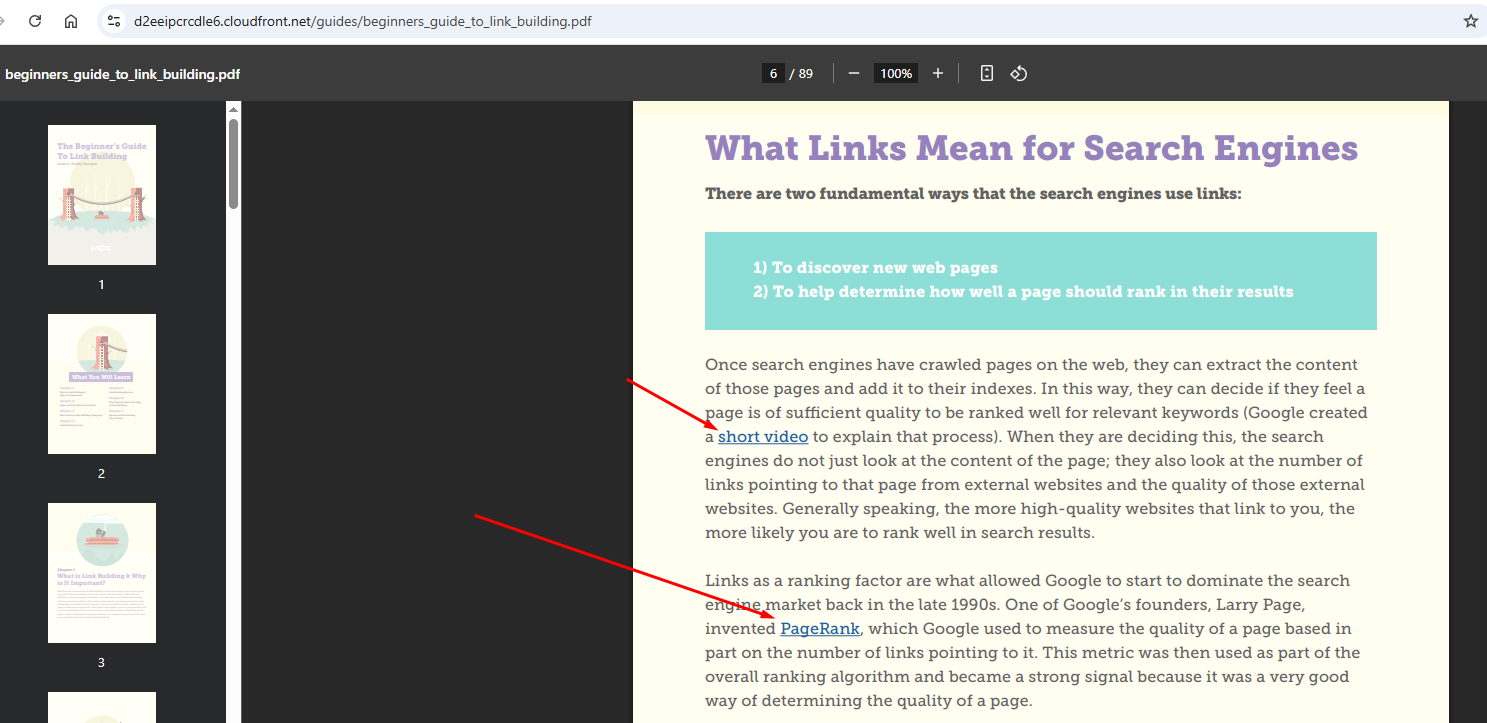
The easiest way to build these is by publishing branded documents, whitepapers, case studies, lead magnets, and uploading them to high-trust doc-sharing sites that Google eats up as part of your entity stacking.
Why PDF Links Still Work:
-
Most .gov, .edu, and B2B directories auto-index document uploads.
-
They can sit on DR70+ root domains (like Scribd, SlideShare, Issuu, Academia).
-
Google treats them like static assets — less likely to get nuked in core updates.
How to Deploy:
-
Use branded file names, not “Untitled-1.pdf.”
-
Include naked URLs and brand anchors inside the PDF.
-
Host on authority platforms only — forget random doc dumps.
-
Link back to money pages AND your homepage for balance.
Bonus: If you embed them on your parasite pages or use them for tier 2s, they boost trust signals even harder.
Risk Level: Minimal
Effectiveness: 6.5/10
Longevity: 10/10 (PDFs stay up forever)
Cost Range: $0–$50 per doc (VA-created and distributed)
9. Forum Profile & Signature Links
Forum-type links aren’t designed to rank pages on their own, but they’re extremely useful for indexation, tiered link building, and creating natural noise across your link graph. When used sparingly, they help new links get discovered faster and diversify your profile with brand and naked anchors.
Forum profile links = links in your user bio.
Signature links = links that appear under every post or comment you make.
Google may devalue most of them… but not all links are for juice. Some are for indexing, velocity, and link graph noise.
When They Still Work:
-
Tier 2 to parasites, PBNs, guest posts (buffer & boost)
-
Indexing new pages faster by creating cross-domain associations
-
Brand mentions from niche-relevant communities
-
Fake authority – forums still rank for lots of weird long-tails
Pro Moves:
-
Target active forums with regular crawl activity (use Ahrefs/Site: search).
-
Use realistic usernames tied to your niche or persona.
-
Drop a few posts to avoid mass deletion by mods.
-
Always pair with other tier 2s (Web 2.0s, comments, PDFs).
Risk Level: Low
Effectiveness: 5.5/10 (tiered) – 2/10 (direct)
Longevity: 6–9/10 (unless the forum bans you)
Cost Range: Free – $100/month (VA or automation at scale)
10. Authority Profile Links
Profiles on platforms like Crunchbase, AngelList, Product Hunt, and About.me are foundational for modern E-E-A-T. They help Google understand your brand, verify your identity, and map your presence across the web.
They don’t move rankings directly, but they strengthen the entity that your ranking pages represent — which does affect long-term algorithmic trust.
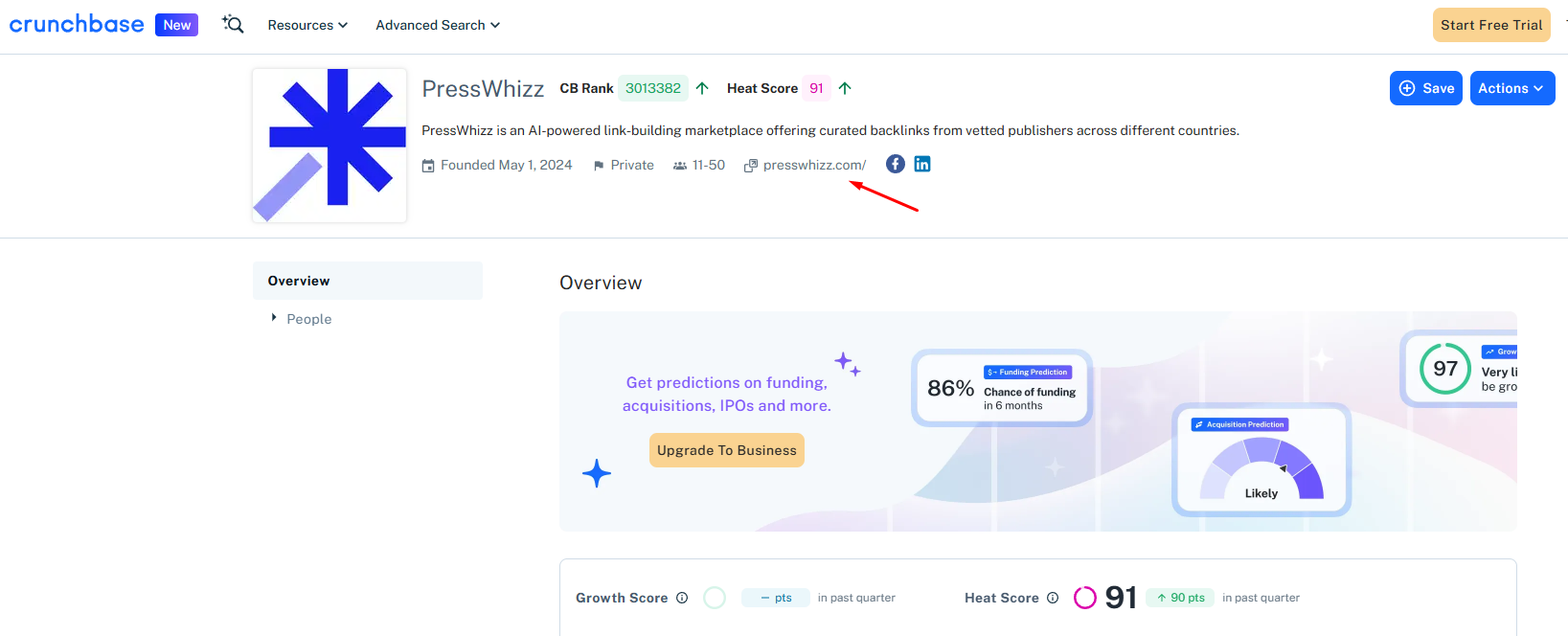
You create a profile → drop a brand mention or naked link → Google sees your name on trusted domains. Instant credibility padding.
They’re not power links. They’re perception links, and that still moves the needle.
Especially post-HCU and in YMYL spaces, Google wants to see your entity spread across trusted ecosystems. Authority profiles make that happen.
How to Use Them Properly:
-
Match your branding + description + logo across every profile.
-
Link to both your homepage and main social profiles.
-
Use structured data (e.g., sameAs schema) to tie it together on-site.
-
Bonus points for verified profiles or news coverage embeds.
Pro Tip: Stack 15–20 of these, then link to them from a press page or author bio. It fakes authority like a pro.
Risk Level: Zero
Effectiveness: 6/10 (boosts trust, not rankings)
Longevity: 9/10
Cost Range: Free – $250 (if outsourced or boosted)
Here’s the next one — UGC Links, and yes, they still slap when used right:
11. UGC (User Generated) Links
UGC backlink types, e.g. Reddit, Quora, and community forums, may be nofollow, but their impact isn’t measured in raw link equity. These platforms influence context, co-occurrence, user behavior, and actual referral traffic.
Google listens to these spaces closely. If your brand is cited repeatedly across high-engagement threads, it raises your topical footprint.
Even though Google slaps a rel="ugc" on a lot of these now, here’s the truth:
Google still indexes and ranks UGC-heavy pages, and if your link sits there with high engagement? It passes signals — maybe not juice, but definitely trust and context.
What’s Working Right Now:
- Reddit answers with legit upvotes (especially on trending subs)
- Quora answers that reference niche authority and include citations
- Niche communities (Discord-wannabe forums, crypto boards, SaaS user groups)
- Comment links on aged blog posts with crawl activity
Don’t overthink it. These links won’t push page 1 on their own. But they do help index your page faster, build brand familiarity, and pad anchor diversity — all while sending referral traffic if placed properly.
Pro Tip: UGC links are killer tier 1 for parasites and tier 2 for PBNs.
Risk Level: Low
Effectiveness: 5/10 (tiered), 6.5/10 (Reddit/Quora direct)
Longevity: 7/10 (platform dependent)
Cost Range: Free – $150 (if outsourced or botted with karma accounts)
12. Local Citations / Directory Links
Local citations are foundational for businesses tied to physical locations. Google cross-references your NAP details across directories to verify legitimacy and proximity.
Consistency is more important than volume. A handful of well-maintained profiles significantly improves Map Pack visibility and generative AI local answers.
Citations = business mentions with NAP (Name, Address, Phone) — often on local directories, business listings, or map-based platforms.
They’re not sexy. They don’t rank affiliate pages.
But if you’re doing Local SEO and skipping these, you’re basically playing with a broken mouse.
The key? Consistency across every listing. Google doesn’t trust a brand that can’t decide whether it’s on “1st Ave” or “First Avenue.”
Where They Still Matter:
-
Map Pack dominance (proximity + trust = GMB visibility)
-
Brand reinforcement across authority sites (Yelp, Bing, YellowPages, Apple Maps)
-
Geo-targeted link signals — helps tie your site to a specific region
How To Build Them Right:
-
Use a NAP template and stick to it across all listings
-
Include site link + business description wherever allowed
-
Add images, categories, and reviews where possible (yes, optimize these like landing pages)
-
Index them — use tier 2s if needed (Web 2.0, bookmarks, PDF links)
Risk Level: Zero (unless spammed or faked)
Effectiveness: 7/10 (local SEO only)
Longevity: 10/10
Cost Range: Free – $300 (DIY vs Yext, Whitespark, etc.)
13. Web 2.0 Links
Web 2.0s are free blog platforms like WordPress.com, Tumblr, Blogger, Weebly and Jimdo.
When used intentionally, they support indexation, create foundational buffers for riskier links, and simulate natural discovery patterns.
The key is treating them as “mini hubs” rather than disposable single-post dumps. Publishing multiple posts per Web 2.0 and including outbound authority links makes them look cleaner and stickier. They’re built to absorb volatility, create tiered buffers, and fake link velocity around your main site.
When They Still Work:
-
Tier 1 links to buffer your money site (use brand/URL anchors only)
-
Tier 2 to pump juice into guest posts, PBNs, press, or citations
-
Indexation triggers for new pages
-
Link velocity control — simulate natural buzz without real exposure
How To Make Them Stick:
-
Post at least 2–3 times per Web 2.0 — don’t leave it as a one-post spam dump
-
Use unique content (spin or AI rewritten is fine if not detectable)
-
Link out to authority sites to mask your link intent
-
Interlink your web 2.0s into a loose network (no exact footprints)
You can steal my full web 2.0 backlink site list as well, and start building these for free today.
Risk Level: Low (tiered); Medium (if used as obvious spam on Tier 1)
Effectiveness: 5.5/10 (Tier 1); 7.5/10 (Tier 2 strategy)
Longevity: 8/10 (platforms die, but slowly)
Cost Range: Free – $100 (VA or bot-managed networks)
14. Image Links
Image backlink types, e.g. infographics, charts, explanatory visuals, remain some of the most underrated link acquisition formats. When publishers embed your images, Google associates your brand as the original source.
With proper filenames, alt text, and branding, image backlinks serve as both authority and traffic drivers.
Image links aren’t just “visual content”, they’re strategic linkable assets that can get you placements in blogs, media, directories, and embeds… all while feeding referral traffic, indexation signals, and even image SERP visibility.
You embed it, they copy it, you get a link.
Or better yet — they embed it, and Google sees your brand as the OG source.
What Counts:
-
Infographics – Not cheap Canva garbage. Real data, custom design, branded, and shareable.
-
Memes – Especially in niches like crypto, fitness, marketing… hell, even law. Memes get picked up in roundup posts and subreddits.
-
Branded images & charts – Bonus if they include your URL in the graphic itself.
-
Embeds on media & parasites – Image links on DR90 sites still pass juice if the image file is hosted on your domain.
Best Practices:
-
Use descriptive filenames (not “image123.jpg” — try “presswhizz-seo-link-velocity.jpg”)
-
ALT text = indexation opportunity.
-
Host images on your root domain, then distribute via guest posts, PDF uploads, Reddit, forums, etc.
-
Track stolen embeds (or fake steal them yourself) using reverse image search or tools like Pixsy.
Risk Level: Minimal
Effectiveness: 6.5/10 (higher when embedded on authority sites)
Longevity: 9/10
Cost Range: Free – $300+ per graphic depending on quality
15. Press Release Links
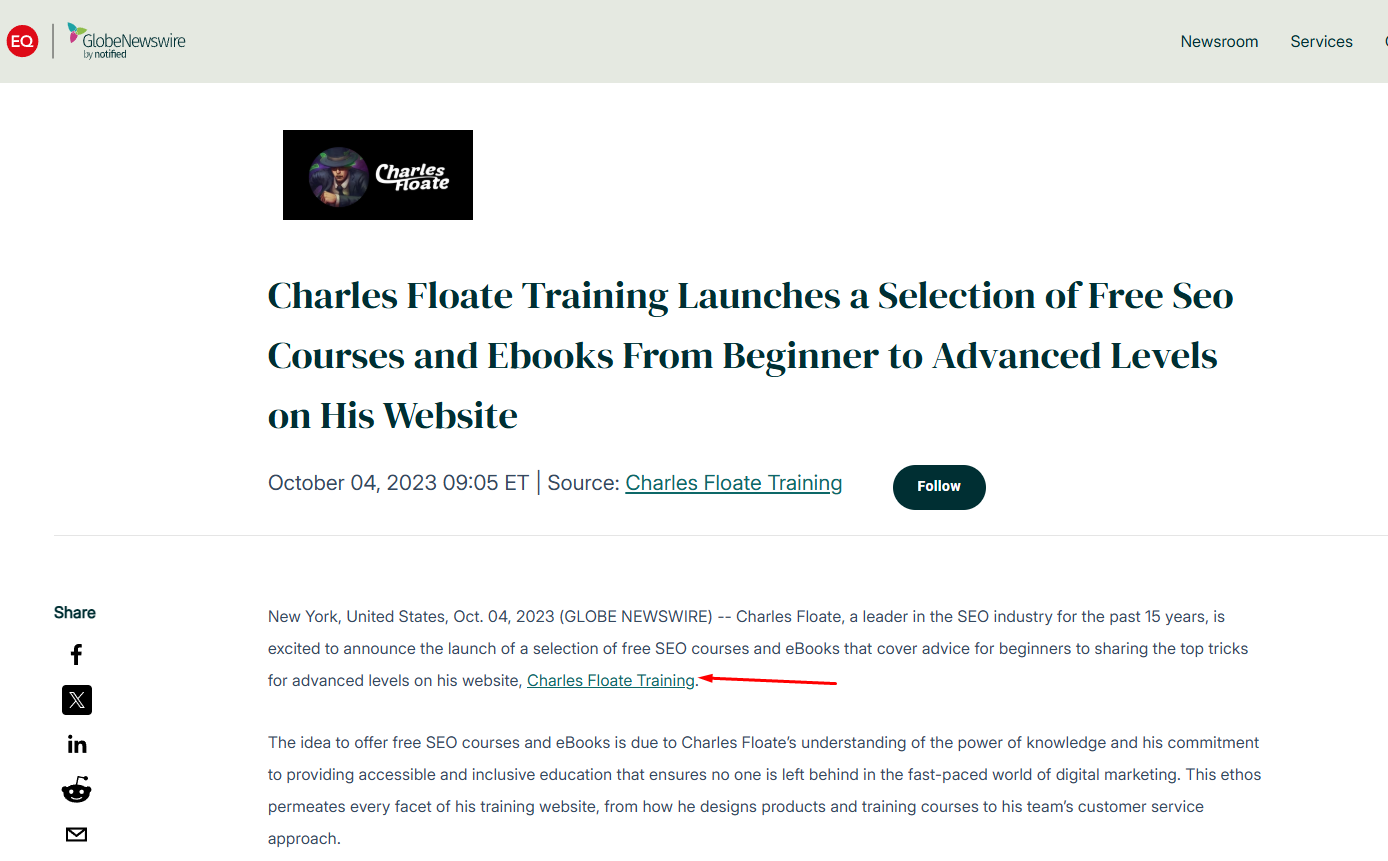
Press releases aren’t about raw link power. They’re about volume, momentum, and entity saturation. A single release can create hundreds of nofollow links across news syndication networks, pushing Google to index new content and recognize brand signals more quickly.
The best results come from using PR sparingly and pairing releases with stronger editorial links.
It’s not about one PR link. It’s about the 300+ syndications that flood Google’s link graph overnight.
When timed, written, and distributed right, a single press release can dominate branded SERPs, trigger indexation, and push trust across your entire link profile.
When They Actually Work:
-
New site launches — Get your brand/entity indexed FAST
-
Brand refresh or acquisition news — Adds legitimacy & coverage
-
Stacked with HARO or DPR — Fills the SERPs with your narrative
-
As Tier 1s to buffer PBNs or Parasites — They stick and redirect authority
Execution Tips:
-
Use naked/branded anchors — never exact match
-
Syndicate with platforms that hit Yahoo, MarketWatch, Digital Journal, etc. (not “yourpressnews.international”)
-
Drop in embedded links, images, and a CTA — not just plain text
-
Always track syndication — 90% of your links won’t index unless boosted
As an additional tip, build a Press page on your site, then link to all indexed PRs. Boosts topical authority and keeps the juice flowing both ways.
Risk Level: Low (unless overused in spammy verticals)
Effectiveness: 7/10 (for velocity, 5/10 for raw ranking)
Longevity: 6/10 (depends on syndicate expiry)
Cost Range: $75–$800 (depending on distro reach and add-ons)
16. .EDU / .GOV Links
Every agency loves to flex “.edu backlinks” in their sales decks like they just got knighted by the Queen. But here’s the reality:
These links hit different. Not because of magic TLDs. But because Google still associates them with legitimate institutions and non-commercial trust.
These domains consistently carry institutional trust, even if Google claims TLDs don’t matter. A well-earned .edu or .gov link reinforces your authority at a fundamental level.
What Actually Works:
-
Student Blog Sponsorships – Many universities let students run their own blog subdomains. You sponsor a post, sneak in the link, and it’s live under a .edu root.
-
Scholarship Pages – You create a “PressWhizz Future Marketers Scholarship,” list it on your site, then outreach to scholarship directories at schools. It’s fake charity. But it works.
-
Resource Page Inserts – Some .edu and .gov sites have outdated “Helpful Resources” pages. Pitch yours as a better replacement.
-
Conference / Webinar Listings – Run a digital event, then get it listed on campus calendars or .gov bulletin boards.
-
Local Initiatives – For .govs, offer content or service discounts to government employees. Many will add you to employee perks portals.
Execution Blueprint:
-
Avoid automated scraping — You need custom outreach, not a VA hammering contact forms.
-
Use your brand angle — .edu sites love education, research, diversity, and tech innovation. Use that hook.
-
Be human — Most success comes from building rapport with the department admin, not blasting “Dear Web Admin” emails.
-
Anchor moderation — Never use exact-match anchors. Stick to naked, branded, or natural language.
Risk Level: Low (if earned legit; High if over-schemed)
Effectiveness: 9/10 (Google trusts these links like gospel)
Longevity: 10/10 (unless the page dies or the admin gets wise)
Cost Range: Free (earned) – $1,500+ (via student or broker placements)
17. Link Exchanges
Most people think link exchanges are dead because Google kills two-way linking, but reciprocal linking happens naturally all the time.
People in the same niche refer to each other. Partners link back. Contributors get bios. It’s organic… until it’s not.
The trick isn’t avoiding link exchanges, it’s doing them without getting caught.
Risk Level: Medium (if overdone or traceable)
Effectiveness: 7.5/10
Longevity: 5–9/10 depending on network size
Cost Range: Free – $500+ (some swaps include content creation or brokerage)
If you want to learn more, I have a full guide to link exchanges.
18. Coupon Code & Voucher Links
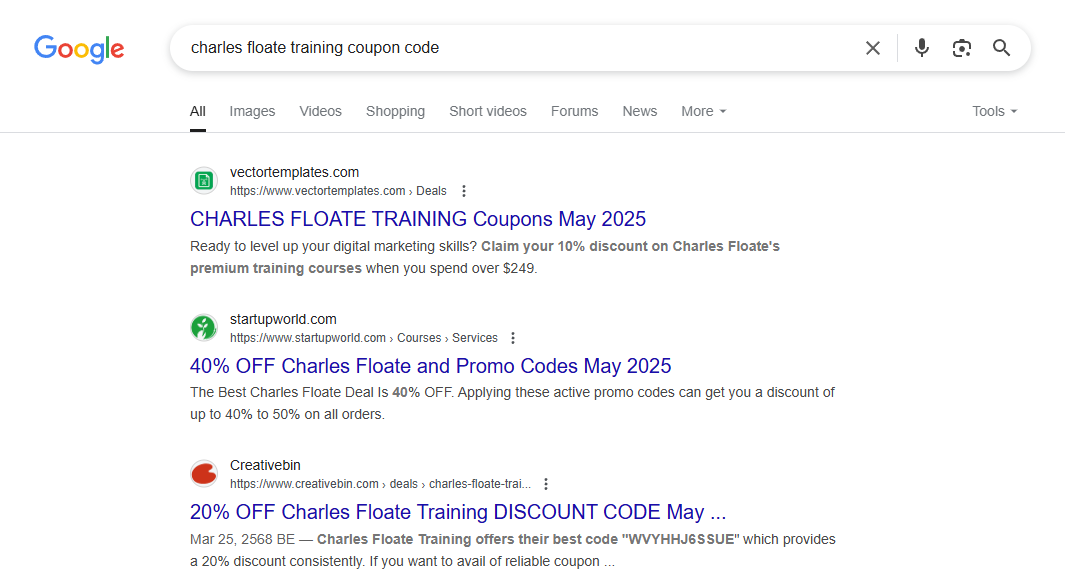
Coupon sites carry heavy authority and rank well for transactional queries. Creating legitimate coupon codes and distributing them across platforms like RetailMeNot, Groupon, or Honey can generate natural backlinks that drive both traffic and conversions.
Freshness plays a major role here; regularly updating coupon expiration dates generates recurring search visibility.
They are one of the most abused, overlooked, and money-printing backlink types out there, especially for SaaS, eCommerce, and any site with an affiliate program.
You give them a code. They create a page. You get a DR70+ link on a high-traffic coupon subdomain.
It’s not complicated. It’s just effective.
Where to Place Coupon Links:
-
RetailMeNot, Honey, Slickdeals, Groupon, CouponBirds, Dealspotr, Coupons.com — the classics.
-
Niche-specific sites – SEO tools? Try AppSumo clones. Crypto tools? Try altcoin deal forums.
-
Your own partners’ blogs – Let them create coupon pages to increase CTR and grab longtail traffic.
Bonus Play: The Fake Expiry Loop
Set the coupon to look like it expires every 7 days.
Update the page weekly.
Google sees it as “fresh” content, and users see it as “urgent.”
(We’ve ranked coupon pages in the top 3 off this trick alone.)
How To Get These Links:
-
Email the platform and offer a “partner code”
-
Submit via their forms or signups (most have one hidden in the footer)
-
Create demand — fake a “deal” and let affiliates pick it up via SEMrush or coupon feeds
-
Use sites like CJ, Refersion, or PartnerStack to auto-issue trackable coupons
Risk Level: Low (unless spammed in blackhat verticals)
Effectiveness: 7.5/10
Longevity: 6–9/10 (pages stick until you stop the offer or get bumped off)
Cost Range: Free – $500 (if platform charges or brokered)
19. Webinar, Video & Podcast Links
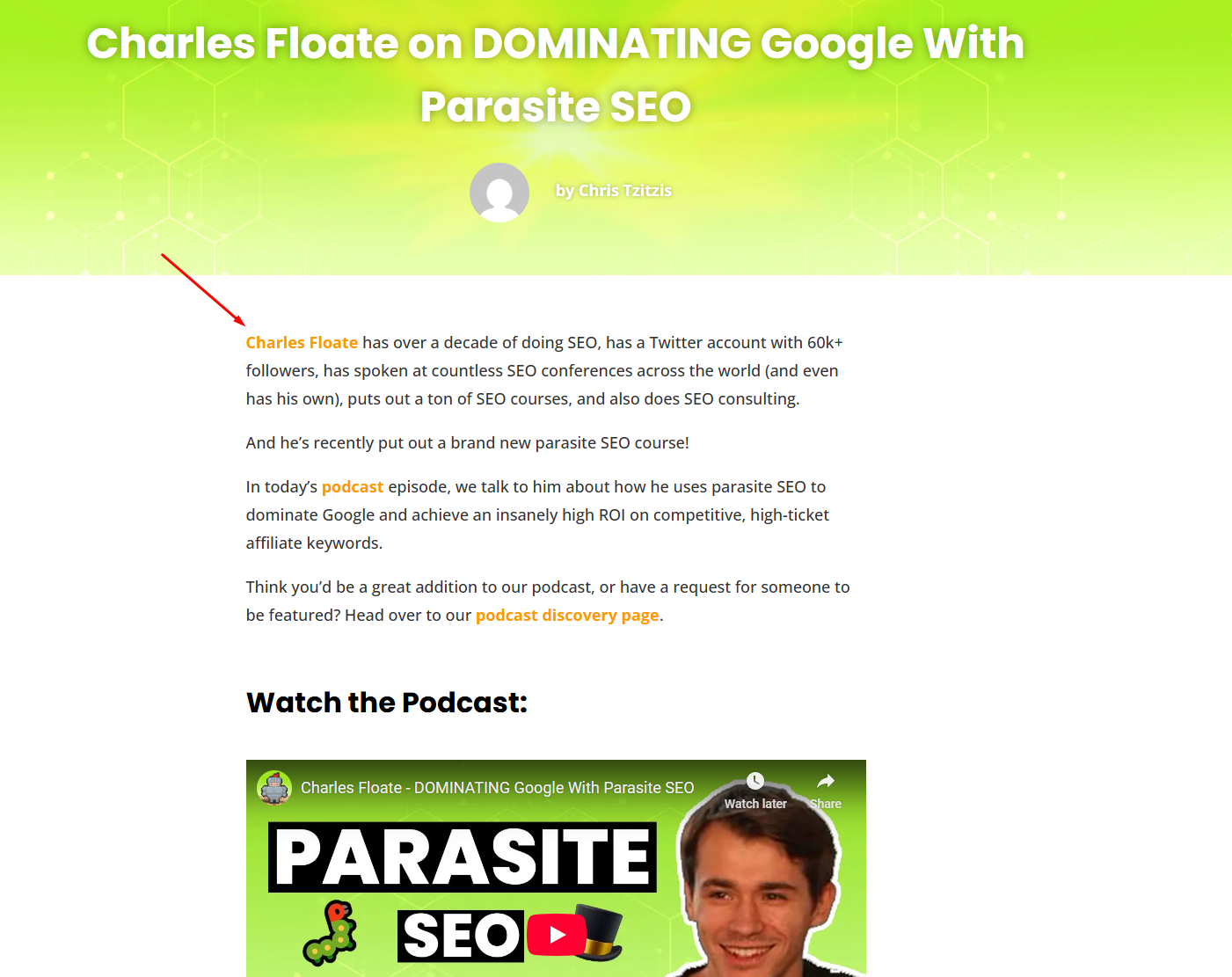
One piece of multimedia content often produces half a dozen backlinks automatically. YouTube descriptions, podcast show notes, speaker bios, and webinar landing pages all create contextual references that support your brand narrative.
These formats also strengthen E-E-A-T by demonstrating expertise in public-facing environments. The extra beauty? These links usually live on DR60+ platforms and get auto-syndicated.
Why These Links Hit Different:
-
Multi-platform exposure – One podcast = Apple Podcasts, Spotify, Stitcher, Podchaser, ListenNotes, etc. That’s 5+ backlinks without even trying.
-
Branded anchor heaven – Hosts love linking to your site, social profiles, and offer pages.
-
Long content bias – Google LOVES indexing long-form multimedia content — and it trusts sites that publish it.
Where These Links Come From:
-
YouTube Video Descriptions – Add site links, socials, and resources in every upload.
-
Podcast Show Notes – Get your link added as “guest resources” or “mentioned sites.”
-
Webinar Landing Pages – Hosting your own? Include outbound links to your own stuff. Guesting? Negotiate link placement ahead of time.
-
Speaker Bio Pages – If you present live, make sure you’re listed on the host site with a dofollow link.
Risk Level: Zero
Effectiveness: 8/10 (massively underrated)
Longevity: 10/10
Cost Range: Free – $1,000 (DIY vs sponsored guest spots)
20. Testimonial Links
You’ve used someone’s product. Their plugin. Their service. Their theme. Their tool. Now write them a few lines of praise… and politely request a backlink on their testimonial page, homepage, or “trusted by” slider.
This is one of the few link trades that even white-hats do, because it’s natural, verifiable, and mutually beneficial.
And most SaaS and service businesses are desperate for social proof — even more than you are for links.
I wrote an entire guide on testimonial link building so you can get my full strategy on this!
Risk Level: Minimal
Effectiveness: 7/10 (if placed well)
Longevity: 9/10
Cost Range: Free – $150 (if using the product/service)
21. Sidebar & Footer Links
Site-wide sidebar or footer placements still wield considerable authority due to their scale, but they also attract scrutiny when overused or placed on low-quality domains.
When executed discreetly — typically through partnerships or sponsorships — they can create meaningful authority lifts with fewer moving parts.
Nowadays? They’re high-risk, but still effective in small, targeted doses.
A single site-wide footer link from a DR70+ site with real traffic? That’s still more juice than 20 junk guest posts.
How They Work:
-
Sidebar links = niche blogrolls or “Recommended Tools” sections
-
Footer links = global anchors (usually branded) dropped on every page
Great for:
-
Parasite SEO boosts
-
Homepage anchor pushes
-
Fake authority via “trusted by” network effects
Avoid:
-
Exact-match anchors (unless doing black hat, otherwise you’ll tank the whole profile)
-
Spammy, templated sites with 100+ OBLs
-
Linking out to multiple projects from the same site — footprint city
Risk Level: High
Effectiveness: 8/10 (when clean + relevant)
Longevity: 4–7/10
Cost Range: $50–$500 depending on site and placement scope, usually that’s a 12 month rental cost too.
22. NoFollow & Sponsored Links
NoFollow and Sponsored links used to be the kiss of death in link building, like “thanks, but no thanks” in HTML.
But Google doesn’t ignore these. They just treat them differently. And if they’re coming from high trust, high traffic pages, they still move the needle.
Think of them as link profile seasoning, not the main course, but without them, your meal’s bland and unnatural.
Even though these links don’t traditionally pass PageRank, Google still uses them for discovery, context, and entity analysis. This is because profile full of dofollow links looks unnatural.
NoFollow and Sponsored links balance your footprint and often originate from high-authority environments like large media outlets, Reddit, Quora, or news syndication networks.
When NoFollow Still Helps:
-
DR90+ media placements – Even with a
rel=nofollow, your brand gets indexed, recognized, and oftentimes, cited elsewhere. -
Reddit, Quora, Wikipedia – NoFollow but high-trust. Google still uses them for context and authority mapping.
-
Press Releases & Directories – Almost all syndicated PR is NoFollow or Sponsored now, but it still builds velocity + legitimacy.
Sponsored Links = Signal, Not Penalty
As long as it’s tagged properly (rel="sponsored"), Google just knows it’s a paid placement. That’s not a penalty, that’s still compliance! And Kyle Roof said in his NoFollow case study that Sponsored tags still pass signals the exact same as a DoFollow anyway – And I’d tend to agree with him.
Risk Level: None
Effectiveness: 4/10 (ranking) – 8/10 (trust + velocity)
Longevity: 9/10
Cost Range: Free – $1,000+ (depending on source)
Final Thoughts: Pick Your Poison, Then Master It
That’s it. 22 link types. Every single one battle-tested in real world scenarios!
But remember, the truth is, you don’t need all 22. You likely don’t even need 10…
You need 3–5 link types that match your business model, risk appetite, and budget, then you need to run them harder, smarter, and more surgically than 99% of SEOs are capable of.
Pick a stack and stick to it.
-
Local Business? → Citations, HARO, PR, Guest Posts, Authority Profiles.
-
Affiliate Mad Lad? → Parasites, Link Inserts, PBNs, Web 2.0 tiering, Profiles.
-
B2B SaaS? → DPR, HARO, Podcast links, Testimonial swaps, High end guest posts & niche edits.
-
ORM/Churn & Burn? → Parasites, Press Releases, PBNs, Footer drops, PDF bombs, footer and homepage links.
And “looking natural” is the premise, but Google doesn’t reward average. It rewards entities with momentum, visibility, and alignment with the linkgraph.
So stop JUST copying what the last guy did. Build smarter. Build louder!
